By Duran Lantink
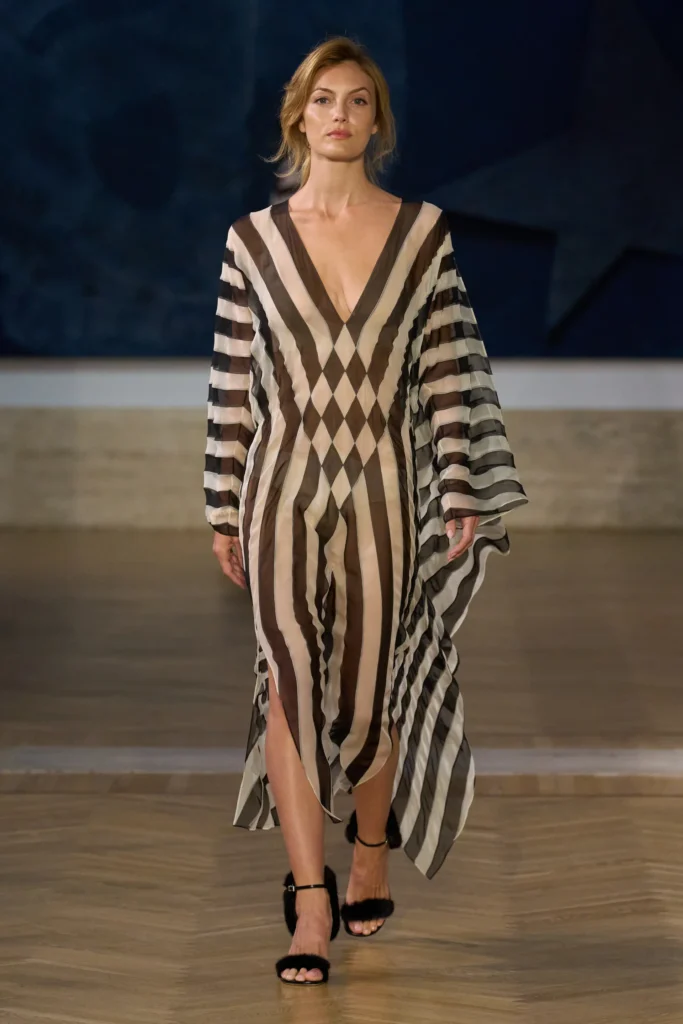
The Jean Paul Gaultier Couture Fall/Winter 2026 collection marked one of the most anticipated moments of Paris Haute Couture Week. The show introduced Dutch designer Duran Lantink as the house’s first permanent creative director since Jean Paul Gaultier stepped away from designing couture collections in 2020, ending years of acclaimed guest designer collaborations. The result was a debut that embraced the rebellious DNA of Jean Paul Gaultier while boldly pushing the legendary maison into a daring new era.
Presented in Paris, the collection celebrated everything that has made Jean Paul Gaultier one of fashion’s most influential houses: humor, theatricality, impeccable craftsmanship, gender fluidity, and a willingness to challenge traditional ideas of beauty. Yet Lantink infused the collection with his own unmistakable perspective, blending historical references with futuristic silhouettes and surreal proportions.
A New Chapter Begins
For years, Jean Paul Gaultier invited guest designers including Glenn Martens, Haider Ackermann, Olivier Rousteing, Simone Rocha, and Ludovic de Saint Sernin to reinterpret the house’s legendary archives. While each collaboration generated excitement, the appointment of Duran Lantink signals a long-term creative vision.
Known for his experimental approach, upcycling techniques, and sculptural tailoring, Lantink arrived with a reputation for challenging conventional fashion. His debut proved why Jean Paul Gaultier personally selected him to lead the maison into its next chapter.
Where History Meets Futurism
Rather than simply reproducing iconic Jean Paul Gaultier signatures, Lantink imagined what couture could look like when the extravagance of the French royal court collides with science fiction.
The designer cited Louis XIV and Marie Antoinette as key inspirations, but instead of presenting straightforward historical costumes, he distorted familiar silhouettes into exaggerated, often humorous creations. Massive panniers, oversized collars, sculptural corsets, and dramatic skirts appeared alongside futuristic tailoring and contemporary sportswear influences.
This collision of centuries created a collection that felt both nostalgic and radically modern—a balance that perfectly suited the Jean Paul Gaultier legacy.
Sculptural Silhouettes Take Center Stage
The runway quickly established that proportions would define the season.
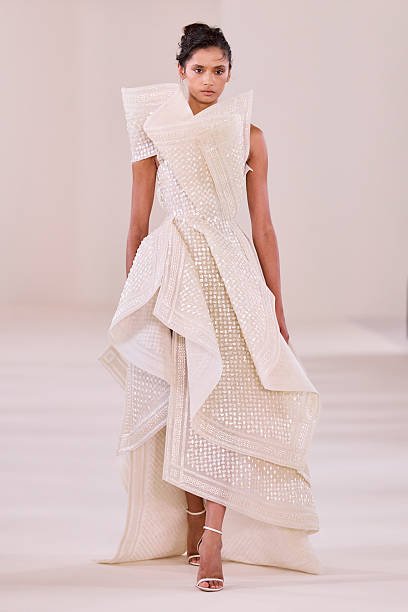
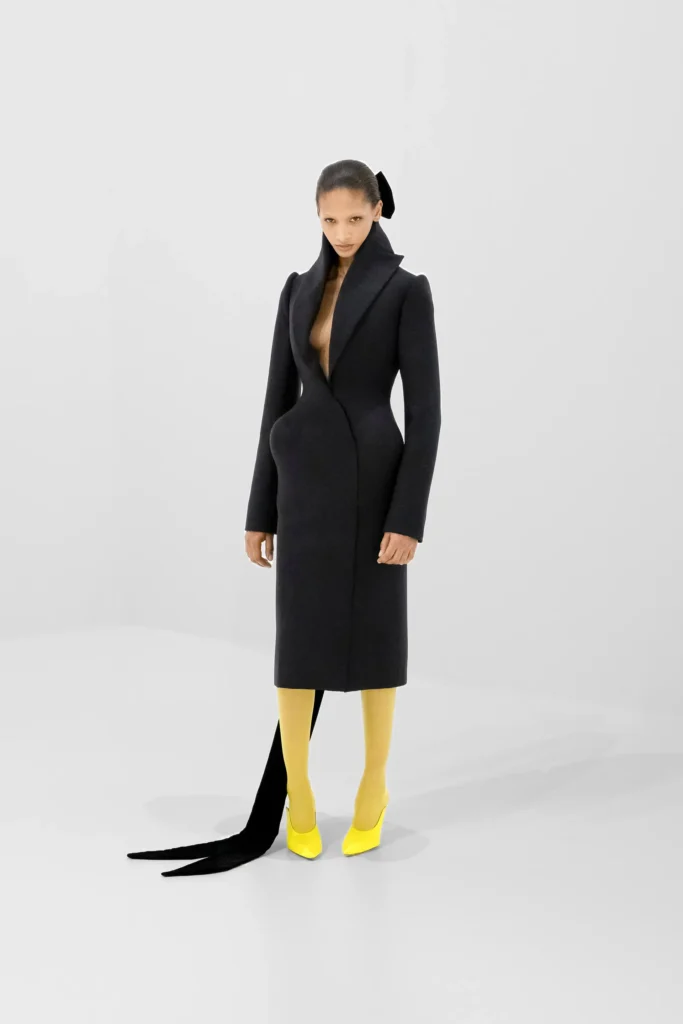
Classic couture tailoring transformed into exaggerated shapes with oversized shoulders, dramatic hips, sculpted waists, and impossible volumes. Dresses appeared almost architectural, while jackets became wearable sculptures.
Several looks distorted the human figure entirely, playing with visual illusion in a way that echoed Jean Paul Gaultier’s long-standing fascination with the body as an artistic canvas.
Instead of focusing on conventional glamour, the collection celebrated imagination, fantasy, and bold experimentation.
Humor Has Always Been Haute Couture
One of Jean Paul Gaultier’s greatest strengths has always been his ability to make couture playful without sacrificing craftsmanship.
Lantink understood this perfectly.
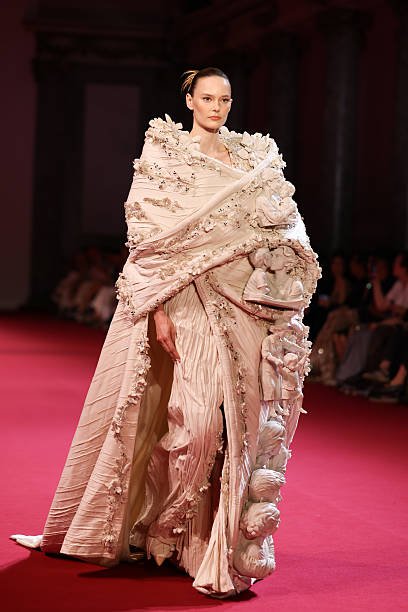
The collection featured exaggerated bustles, surreal embellishments, unexpected fabric combinations, and sculptural details that bordered on cartoon-like exaggeration while remaining impeccably constructed.
The opening looks teased traditional couture before quickly veering into playful territory, reminding audiences that fashion should entertain as much as it inspires.
Couture Craftsmanship at Its Finest
Despite its rebellious attitude, every garment showcased extraordinary technical precision.
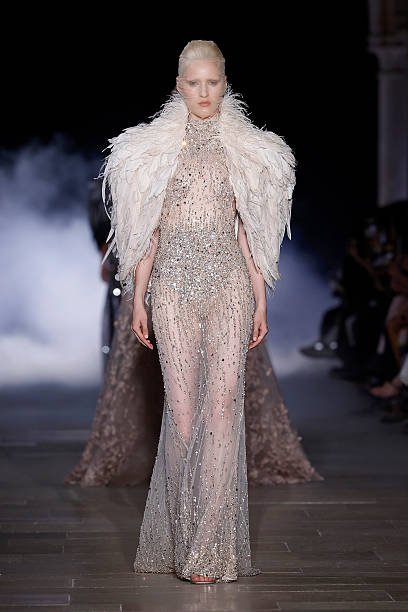
The atelier demonstrated remarkable expertise through hand-finished embroidery, intricate draping, structured corsetry, layered tulle, and complex tailoring.
Large sculptural garments maintained elegance despite their dramatic proportions, highlighting the exceptional skill required to translate imaginative concepts into wearable couture.
Across Paris Couture Week, craftsmanship emerged as one of the defining themes, and Jean Paul Gaultier’s presentation stood among the strongest examples of artisan excellence.
Sustainable Luxury Through Deadstock Fabrics
Another notable aspect of the collection was its thoughtful use of archived materials.
Lantink incorporated deadstock fabrics from the Jean Paul Gaultier archives, giving existing textiles new life instead of relying solely on newly produced materials.
This approach reflected a growing movement within luxury fashion toward sustainability while reinforcing couture’s traditional philosophy of preserving and celebrating exceptional craftsmanship.
Rather than treating sustainability as a marketing tool, the collection demonstrated how archival materials can inspire innovation.
Signature Gaultier Codes Reimagined
Longtime fans of the house recognized subtle references throughout the collection.
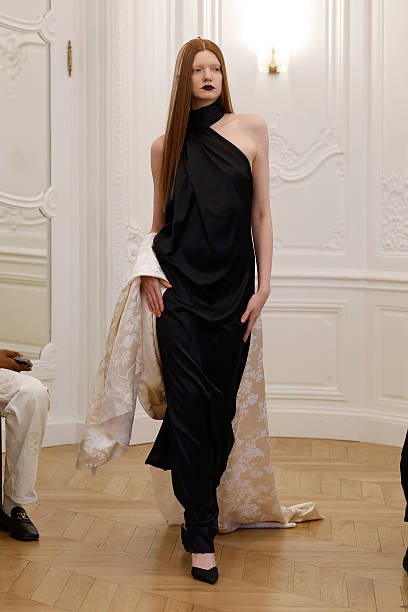
Elements associated with Jean Paul Gaultier—including corsetry, body-conscious tailoring, gender-fluid dressing, and unconventional beauty—were all present, but rarely in their original forms.
Instead, Lantink exaggerated, reshaped, and reconstructed these signatures into something entirely new.
The collection honored the house’s history without becoming trapped by nostalgia.
Beauty That Matched the Fantasy
The beauty direction complemented the collection’s theatrical spirit.
Oversized ribbon details, sculptural hairstyles, and polished complexions enhanced the fantasy-inspired garments while maintaining a modern sensibility.
Large bows emerged as one of the defining beauty trends of Fall/Winter 2026 couture, appearing across multiple Paris runways, including Jean Paul Gaultier.
The restrained makeup allowed the dramatic silhouettes to remain the primary focus while adding a whimsical finish to the overall presentation.
A Standout Moment of Paris Couture Week
Fashion critics widely regarded Lantink’s debut as one of the most exciting presentations of the season.
The collection demonstrated that couture remains a platform for creative freedom rather than commercial predictability. By mixing royal opulence with futuristic imagination, Lantink delivered a debut that felt confident, irreverent, and unmistakably Jean Paul Gaultier.
Many reviewers praised his ability to respect the house’s rebellious heritage while establishing a distinctive creative identity of his own.
Final Thoughts
Jean Paul Gaultier Couture Fall/Winter 2026 was more than a seasonal collection—it was the beginning of a new creative era.
Duran Lantink proved that the house’s legendary spirit of experimentation remains alive, introducing a fresh vision rooted in imagination, craftsmanship, and fearless self-expression. Historical references blended effortlessly with futuristic ideas, while impeccable couture techniques elevated every exaggerated silhouette.
In a season filled with spectacular collections, Jean Paul Gaultier reminded the fashion world that couture is at its most powerful when it refuses to follow the rules. Lantink’s debut captured the irreverent essence of the maison while confidently pointing toward its future, ensuring that Jean Paul Gaultier remains one of the most exciting names on the Paris couture calendar.