
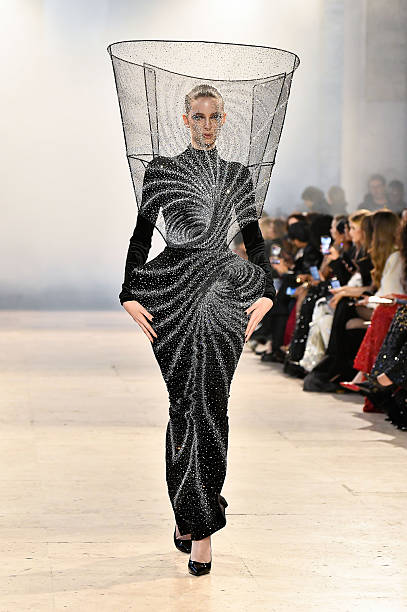
There are luxury handbags, and then there is the Birkin. The Birkin is not simply a purse or accessory. It is a cultural object, a financial asset, a symbol of wealth, exclusivity, craftsmanship, and timeless style. Over the decades, the Birkin has transformed from a practical leather travel bag into one of the most coveted fashion items in history. Celebrities carry them, collectors auction them, and luxury lovers spend years on waiting lists hoping to obtain one. But how did this iconic bag become the most famous handbag in the world? The story of the Birkin begins with chance, craftsmanship, and one unforgettable conversation on an airplane.
The Birth of the Birkin
The Birkin bag was invented in 1984 by the legendary French luxury house Hermès. But the inspiration behind the bag came from British actress, singer, and style icon Jane Birkin.
At the time, Jane Birkin was already a major fashion figure. Known for her effortless Parisian style, she often carried large woven baskets instead of handbags because she struggled to find a leather bag spacious enough for her daily needs.
According to fashion history, Birkin was seated next to Hermès CEO Jean-Louis Dumas on a flight from Paris to London in the early 1980s. During the flight, the contents of her straw basket spilled everywhere. Frustrated, Birkin explained that she could never find a handbag that was practical, elegant, and large enough for modern life.
Jean-Louis Dumas listened carefully. Right there on the airplane, he began sketching ideas for a new bag on an airplane sickness bag. The design combined elegance with functionality: a structured leather tote large enough for travel and everyday essentials while still maintaining the refined sophistication associated with Hermès. That sketch would eventually become the Birkin bag.
Where the Birkin Was Invented

The Birkin was born in France, the heart of luxury fashion craftsmanship. Hermès itself was founded in Paris in 1837 as a harness workshop specializing in fine equestrian goods for European aristocrats.
Long before it became famous for handbags and silk scarves, Hermès was known for producing saddles, bridles, and leather horse accessories. This heritage explains why Hermès leatherwork remains some of the finest in the fashion industry today.
The Birkin inherited this craftsmanship tradition. Every bag is handmade in France by a single artisan trained for years in Hermès workshops.
Unlike many luxury brands that outsource manufacturing across the globe, Hermès still emphasizes artisanal production in French leather ateliers.
Who Invented the Birkin?
The Birkin was officially created by Jean-Louis Dumas, then chairman and artistic director of Hermès, in collaboration with Jane Birkin herself.
Jane Birkin did not physically design the handbag alone, but her lifestyle, frustrations, and needs inspired its creation. In many ways, the Birkin became a fusion of Hermès elegance and Jane Birkin’s relaxed practicality. Jane later joked that the bag became more famous than she ever was.
What Makes a Birkin Special?
Many luxury brands create expensive handbags, but the Birkin exists in an entirely different category.
Several factors make the Birkin extraordinary:
1. Handcrafted Construction
Each Birkin is handmade by one artisan from start to finish. One craftsperson is responsible for cutting the leather, stitching the bag, attaching the hardware, and completing the finishing touches. This process can take anywhere from 18 to 40 hours depending on the leather and complexity. Hermès artisans train for years before being trusted to construct a Birkin.
2. Saddle Stitching Technique
Hermès uses a traditional saddle stitch technique originally developed for horse saddles. This method is stronger and more durable than machine stitching. The stitching is done entirely by hand.
3. Limited Production
Hermès intentionally limits Birkin production. Scarcity fuels demand, making the bag feel even more exclusive. Unlike many designer bags available online or in stores immediately, Birkin bags are notoriously difficult to obtain.
4. Exceptional Materials
Birkin bags are made using some of the world’s finest materials, including:
- Togo leather
- Clemence leather
- Epsom leather
- Box calf leather
- Swift leather
- Ostrich skin
- Crocodile skin
- Alligator skin
- Lizard skin
Some ultra-rare Birkins even feature diamonds and precious metals.
What Are Birkin Bags Made From?

The materials used in Birkin bags are a major reason behind their astronomical prices.
Leather Birkins
The most common Birkin bags are crafted from premium calf leathers. Different leather types create different textures, appearances, and durability levels.
Togo Leather
One of the most popular Birkin materials, Togo leather is soft yet scratch-resistant with a pebbled texture.
Clemence Leather
Known for its relaxed, slouchy appearance, Clemence leather feels luxurious and supple.
Epsom Leather
A stamped leather with a structured silhouette. Lightweight and highly durable.
Exotic Skin Birkins
Hermès also produces exotic-skin Birkin bags that are considered among the rarest handbags in existence.
Crocodile
Glossy crocodile Birkin bags are among the most expensive and sought-after.
Alligator
Often distinguished by smaller scales and smoother finishes.
Ostrich
Recognizable by its dotted quill pattern.
Lizard
Rare and delicate, usually produced in smaller sizes. Because exotic skins are difficult to source and produce, these bags can cost hundreds of thousands of dollars.
The Sizes of the Birkin
Birkin bags come in several sizes, each suited to different lifestyles.
Birkin 25
A smaller, compact version favored by modern fashion influencers and celebrities.
Birkin 30
Considered the classic everyday size.
Birkin 35
Spacious and practical for work or travel.
Birkin 40
Large travel-oriented size originally closer to Jane Birkin’s lifestyle needs. Smaller sizes have become increasingly desirable in recent years due to changing fashion trends.
Why Are Birkin Bags So Expensive?
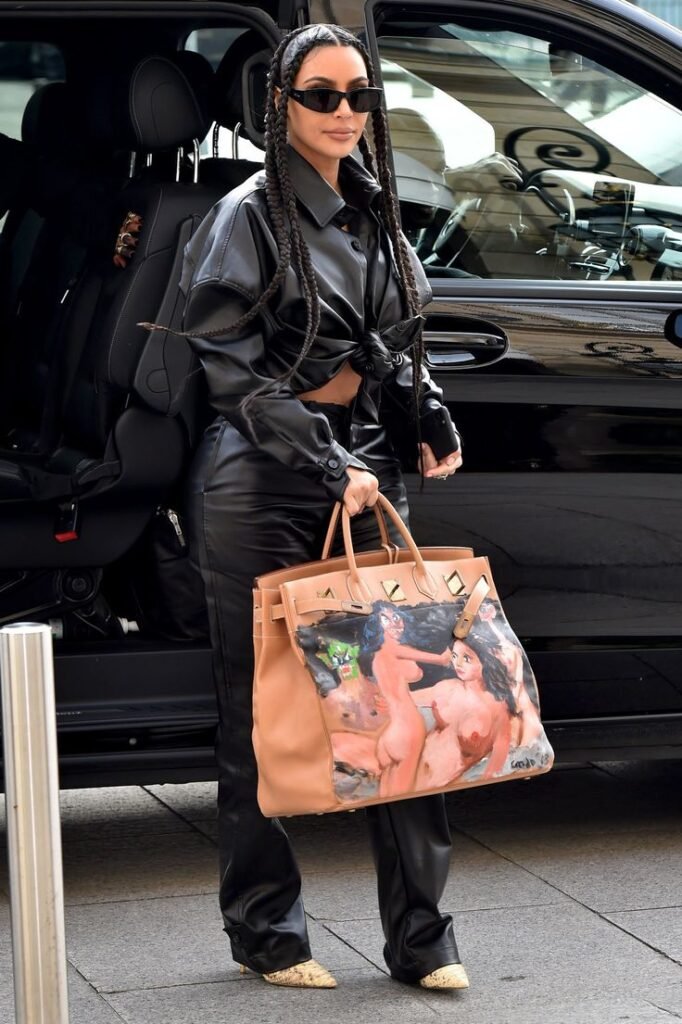
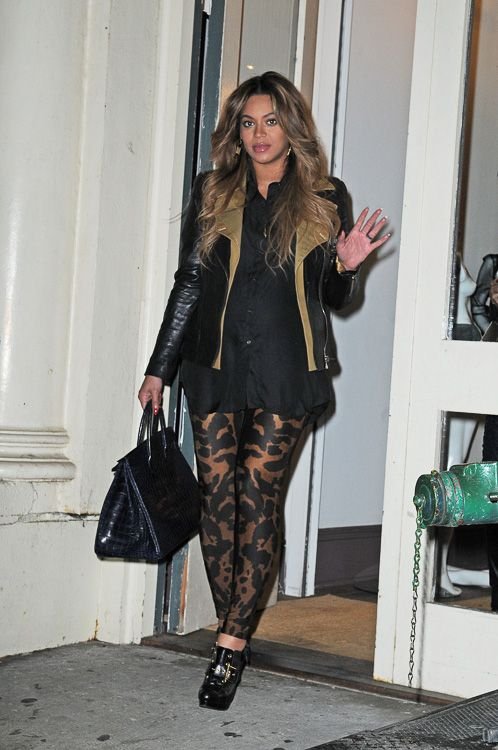
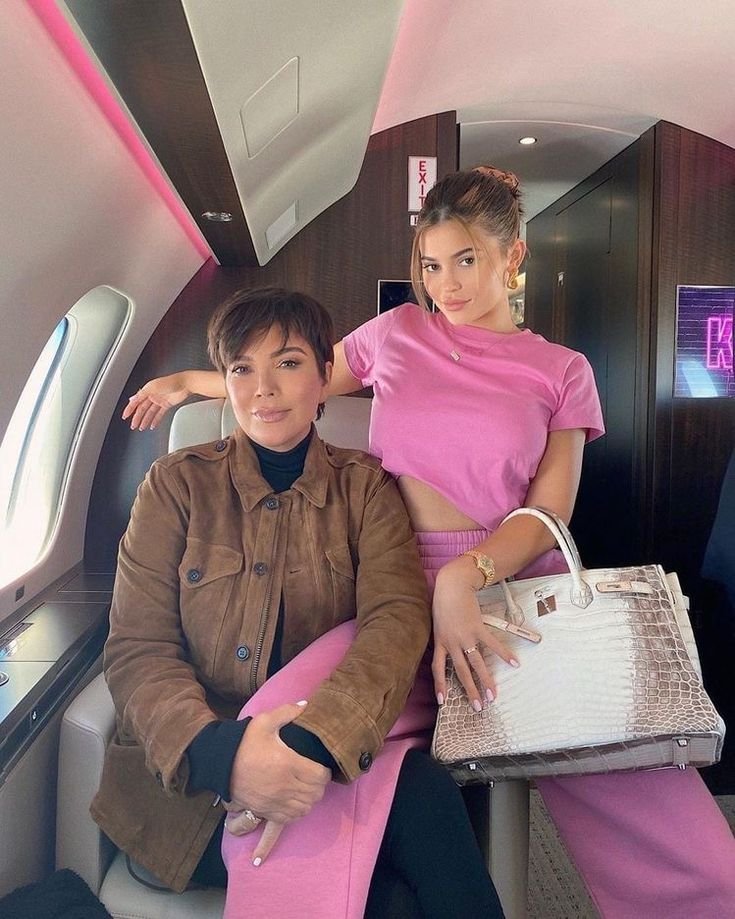

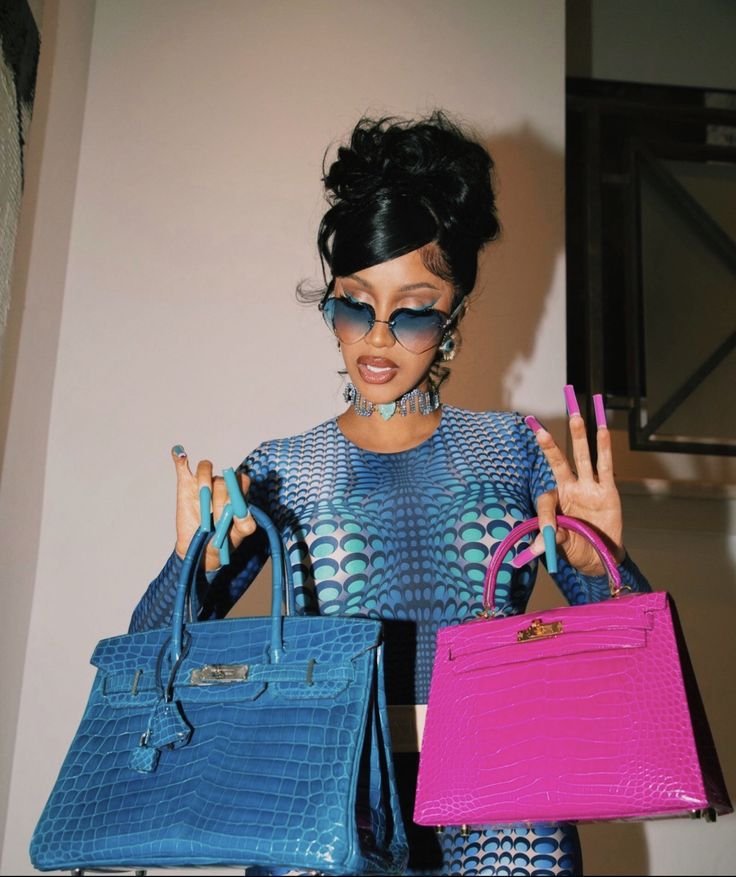

The Birkin is expensive for several reasons:
- Hand craftsmanship
- Rare materials
- Limited supply
- Massive demand
- Brand prestige
- Long production time
- Resale value
- Cultural status
Hermès does not mass-produce Birkins like many modern luxury brands. Scarcity is carefully controlled. The bag’s exclusivity is part of its identity.
How Much Does a Birkin Cost?
Birkin pricing varies dramatically depending on size, leather, rarity, and hardware.
Entry-Level Pricing
A standard leather Birkin generally starts around:
- $10,000–$15,000 USD retail
However, purchasing one directly from Hermès is extremely difficult without an established client relationship.
Mid-Tier Pricing
More exclusive leathers and colors can range between:
- $20,000–$60,000 USD
Exotic Skin Pricing
Rare crocodile and alligator Birkin bags can exceed:
- $100,000–$300,000 USD
Diamond Birkins
Some custom diamond-encrusted Himalayan crocodile Birkins have sold for:
- $400,000–$500,000+ USD
At auction, rare Birkin bags regularly break records.
The Himalayan Birkin: The Ultimate Luxury Bag
The most famous Birkin in the world is arguably the Himalayan Birkin.
Crafted from Niloticus crocodile skin and dyed to resemble the snowy Himalayas, this bag is considered the pinnacle of handbag luxury.
Some versions feature white gold and diamond hardware.
Collectors view the Himalayan Birkin almost like wearable art.
Auction houses such as Christie’s and Sotheby’s have sold these bags for hundreds of thousands of dollars.
The Birkin Waiting List Myth
For years, the Birkin was associated with the infamous “waiting list.” Luxury shoppers believed they needed to spend years building purchase histories at Hermès before being offered one.
While Hermès has publicly denied formal waiting lists in some regions, the reality remains that acquiring a Birkin is intentionally difficult.
Customers often need:
- Strong purchase history
- Relationships with sales associates
- Loyalty to the brand
- Patience
This exclusivity only increases the bag’s desirability.
Celebrities and the Birkin Obsession

Few accessories are as closely linked to celebrity culture as the Birkin.
Over the years, countless celebrities have carried Birkin bags, including:
- Victoria Beckham
- Kim Kardashian
- Kylie Jenner
- Jennifer Lopez
- Cardi B
- Mary-Kate Olsen
Victoria Beckham reportedly owns one of the largest Birkin collections in the world.
Meanwhile, celebrities have transformed the Birkin into a pop culture phenomenon through music videos, paparazzi photos, and social media.
Hip-Hop and the Birkin
The Birkin gained even greater visibility through hip-hop culture. Rappers frequently reference Birkin bags in lyrics as symbols of wealth and success. Artists gift Birkins to girlfriends, wives, and collaborators as extravagant luxury presents.
This helped introduce the bag to younger generations and expanded its cultural significance beyond traditional luxury fashion audiences.
The Birkin as an Investment
Unlike many luxury products that lose value after purchase, Birkin bags often appreciate over time.
In some cases, rare Birkins outperform:
- Stocks
- Gold
- Traditional investments
Collectors and resellers view certain Birkin bags as assets rather than accessories.
Factors affecting resale value include:
- Leather type
- Color rarity
- Hardware
- Size
- Condition
- Year produced
Neutral colors like black, gold, white, and etoupe remain especially desirable.
Brands Inspired by the Birkin
The Birkin’s influence on fashion is enormous.
Countless luxury and contemporary brands have created structured tote bags inspired by its silhouette.
Brands influenced by Birkin aesthetics include:
- Michael Kors
- Tory Burch
- Saint Laurent
- Louis Vuitton
- Prada
- Coach
Some affordable bags are even nicknamed “Birkin alternatives” by fashion fans online. However, no bag has truly matched the Birkin’s prestige.
The Jane Birkin Controversy
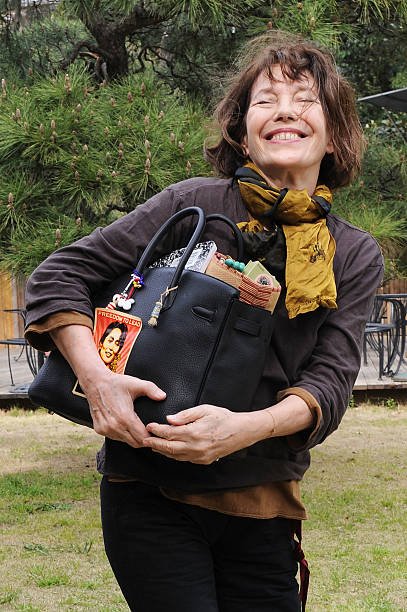
Interestingly, Jane Birkin herself eventually expressed discomfort with some aspects of the luxury phenomenon surrounding the bag.
In 2015, she publicly requested Hermès remove her name from crocodile versions of the Birkin due to concerns about animal welfare practices.
The controversy sparked conversations about exotic skins in luxury fashion. Despite this, the Birkin’s popularity continued to grow globally.
Why the Birkin Became a Cultural Icon
The Birkin became more than a handbag because it represents multiple fantasies simultaneously.
It symbolizes:
- Wealth
- Exclusivity
- Quiet luxury
- Old-money sophistication
- Fashion knowledge
- Power
- Success
Unlike trend-based bags that rise and fall in popularity, the Birkin exists outside seasonal fashion cycles.
It is timeless.
Social Media and the Modern Birkin
Platforms like Instagram, TikTok, and YouTube transformed the Birkin from a luxury insider item into a mainstream cultural obsession.
“Birkin unboxings,” closet tours, and luxury hauls regularly attract millions of views.
Young luxury consumers now recognize the Birkin before many other fashion items.
The bag has become part of internet culture.
The Most Popular Birkin Colors
Certain Birkin shades are especially iconic.
Gold
Warm caramel tan is considered one of the most classic Hermès colors.
Black
Timeless and universally elegant.
Etoupe
A sophisticated gray-taupe tone beloved by collectors.
Craig
A creamy off-white shade.
Rouge H
A deep burgundy inspired by Hermès equestrian heritage.
Limited-edition seasonal colors can become extremely valuable on the resale market.
Hardware Options
Birkin bags are also distinguished by hardware finishes.
Popular hardware includes:
- Palladium
- Gold-plated
- Rose gold
- Brushed gold
Rare custom versions may include diamonds or precious stones.
Counterfeit Birkins

Because of the Birkin’s prestige and high resale value, counterfeit versions are extremely common.
Authentication experts inspect:
- Stitching
- Hardware engravings
- Leather texture
- Blind stamps
- Shape
- Weight
- Craftsmanship details
The fake Birkin market has become a massive global industry itself.
The Future of the Birkin
Fashion trends constantly evolve, but the Birkin continues to dominate luxury culture. Even during economic downturns, demand often remains high.
New generations continue discovering the bag through celebrities, influencers, resale platforms, and fashion media.
Hermès maintains tight control over production and distribution, ensuring the Birkin remains rare and aspirational.
Final Thoughts
The Birkin bag is one of the greatest success stories in fashion history. What began as a practical solution for Jane Birkin on an airplane evolved into the ultimate luxury status symbol desired by celebrities, collectors, fashion lovers, and investors around the world.
Its story combines French craftsmanship, celebrity culture, exclusivity, artistry, and timeless design.
Few fashion items have achieved what the Birkin has:
not merely becoming popular, but becoming legendary.
Decades after its creation, the Birkin remains more than a handbag.
It is fashion mythology made real.




Leave a Reply