

|
Getting your Trinity Audio player ready… |


Gucci is making significant changes to the way it designs and develops its collections, introducing a new organisational structure aimed at giving creative director Demna greater artistic freedom while strengthening the brand’s commercial operations.
The Italian luxury fashion house is separating the development of its runway collections from its core commercial collections, creating two distinct creative and production processes. The move is designed to allow Demna and his creative team to experiment more freely with fashion while ensuring that the brand continues to deliver the products customers want to buy.
According to a report by Women’s Wear Daily (WWD) published on November 4, 2026, the restructuring is intended to bring greater focus, clearer responsibilities and stronger collaboration across Gucci’s business operations.
Two Different Approaches to Gucci Collections

Under the new structure, Gucci will operate two separate development flows for its fashion collections, each serving a different purpose.
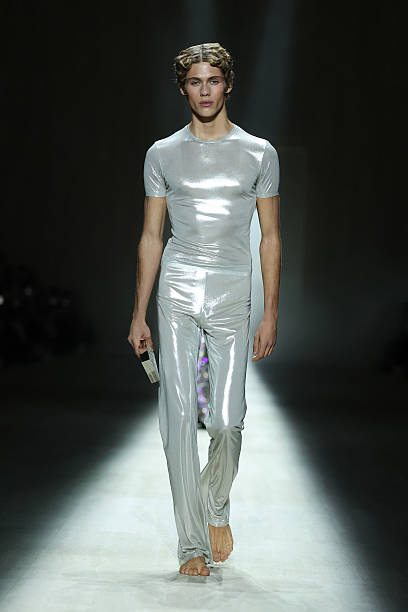
The first will focus on experimental runway collections, giving Demna greater room to explore his artistic vision, challenge conventional fashion codes and establish a distinctive creative identity for Gucci. These collections will prioritise creativity, design innovation and the overall direction of the house.
The second will concentrate on core commercial collections, including everyday wardrobe essentials, signature pieces, accessories and products designed to generate consistent sales. These collections will ensure that Gucci maintains a strong commercial offering beyond the runway.
Essentially, the strategy separates fashion as an artistic expression from fashion as a commercial business without disconnecting the two.
A New Business Structure


The reorganisation also introduces four category based business units covering leather goods, women’s ready-to-wear, men’s ready-to-wear and shoes.
Each division will have dedicated leadership and responsibility for its respective category, reporting to chief product officer Marcello Costa. The structure brings together merchandising, collection coordination and core collection design, working closely with product development.
Gucci has also appointed Monica Ulmi and Marco Semeghini as senior advisers to support the implementation of the new business structure. Both bring extensive experience in the fashion industry and previous experience working with the Italian luxury house.
The new organisation will operate alongside Demna and Gucci president and chief executive officer Francesca Bellettini, with the aim of improving decision-making, accountability and collaboration across the business.
What This Means for Demna’s Vision at Gucci


Since taking over as Gucci’s artistic director, Demna has been working to establish a new creative identity for one of fashion’s most recognisable luxury houses.
Known for his unconventional approach to design, provocative fashion statements and ability to challenge traditional luxury aesthetics, the designer now faces the challenge of balancing his creative instincts with the expectations of a global luxury business.
The separation of runway and core collections could give him more room to experiment without placing the same commercial expectations on every runway presentation.
It also reflects a wider understanding of the luxury fashion business: runway collections create excitement, cultural relevance and desirability, while commercial collections translate that attention into products customers can incorporate into their wardrobes.
For Gucci, both sides are essential.
Gucci’s Next Chapter

The restructuring signals an important development in Gucci’s ongoing transformation under Demna. Rather than treating creativity and commercial performance as competing priorities, the house appears to be building a structure in which both can operate with greater independence while remaining connected through a shared creative vision.
As the luxury industry continues to navigate changing consumer expectations and increased competition, Gucci‘s new approach could offer Demna the creative space needed to develop a stronger identity for the house while maintaining the commercial foundations of its business.
Ultimately, the ambition is clear: give Demna more freedom to create, give the business greater control over its operations and allow Gucci to build collections that are both creatively ambitious and commercially successful.
For fashion watchers, the question now is how this new structure will influence the collections and the future direction of Gucci.
Leave a Reply