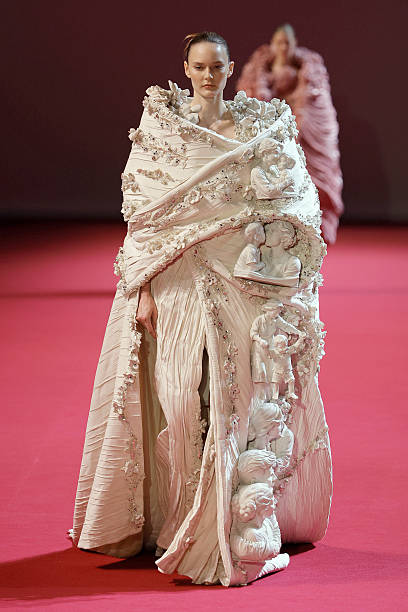
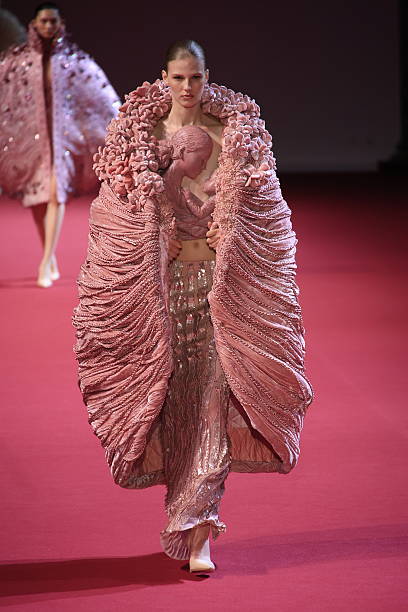
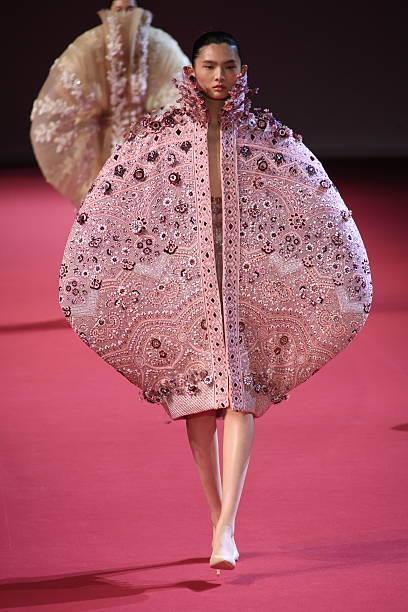
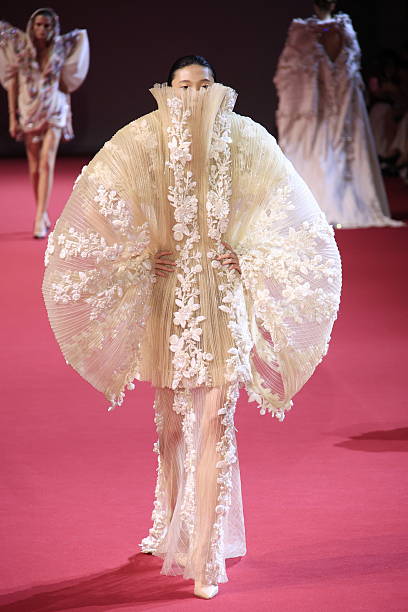
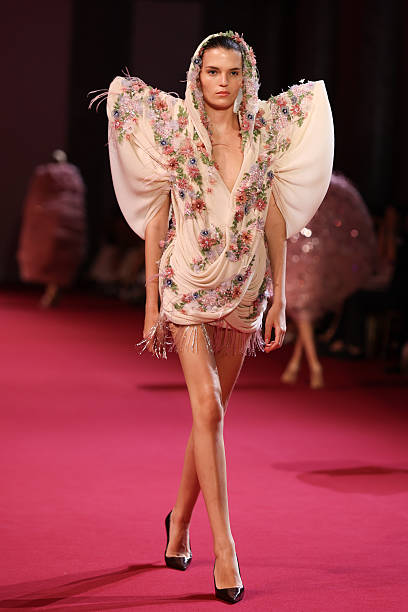
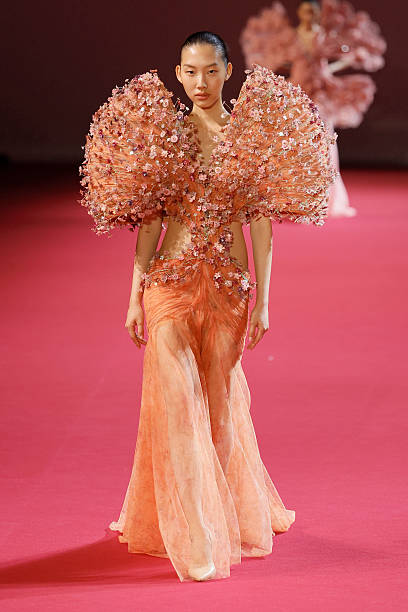
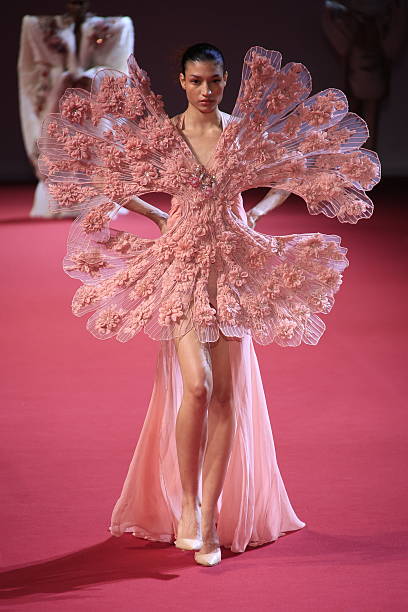
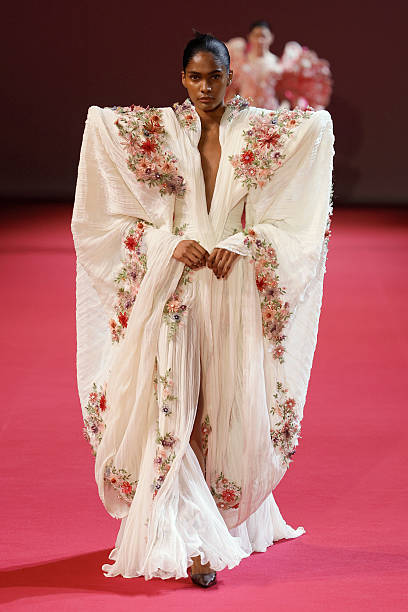
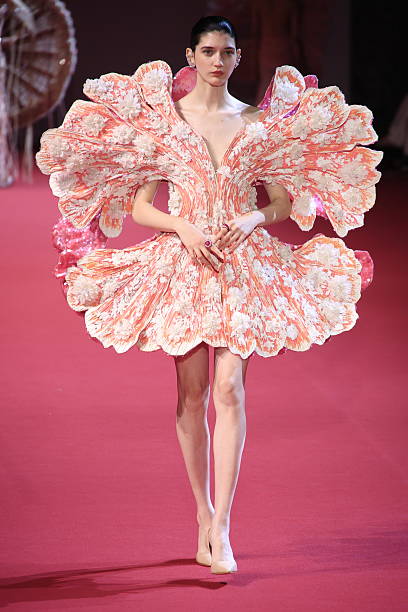
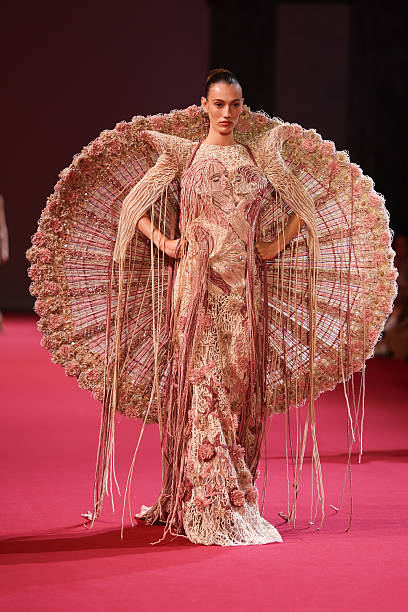
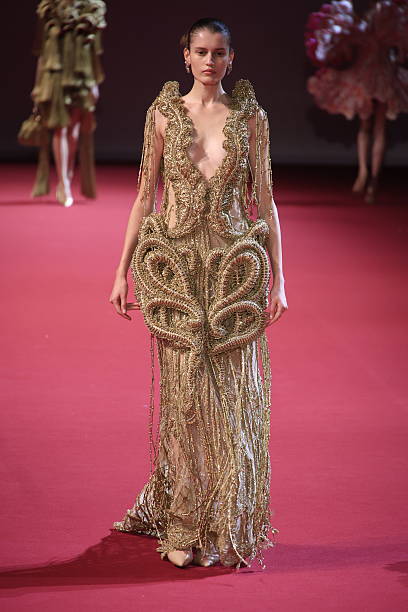
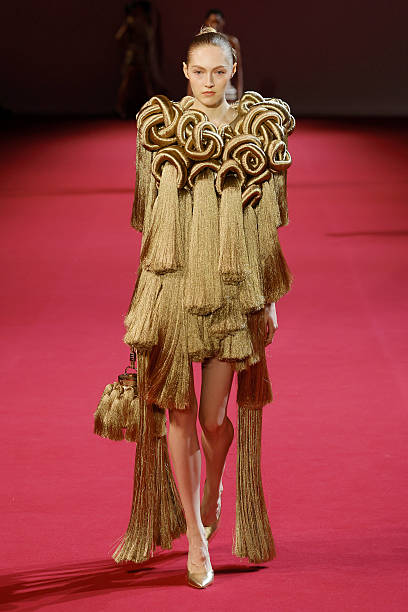
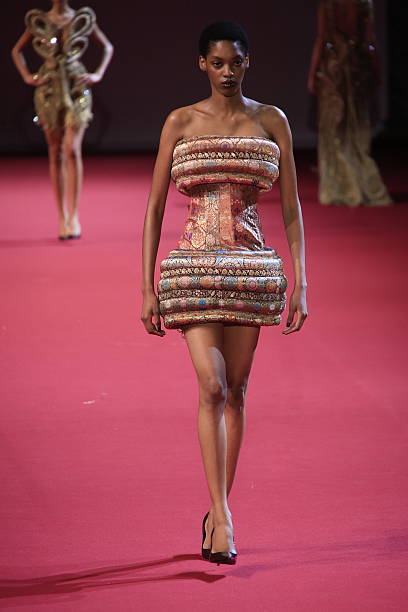
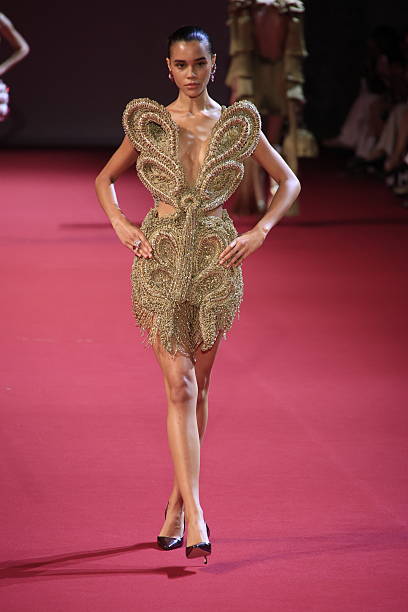
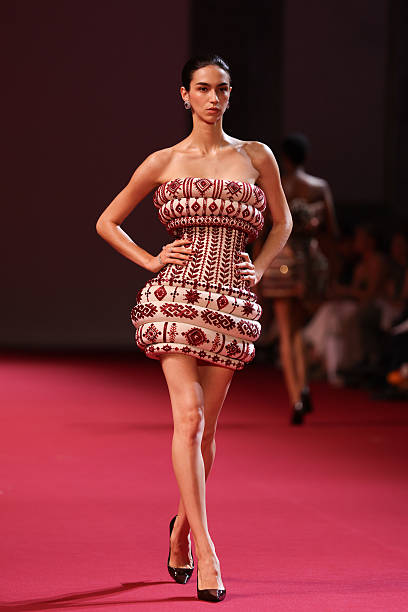
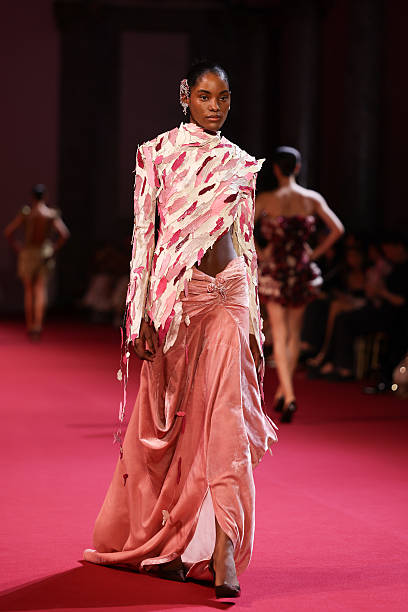
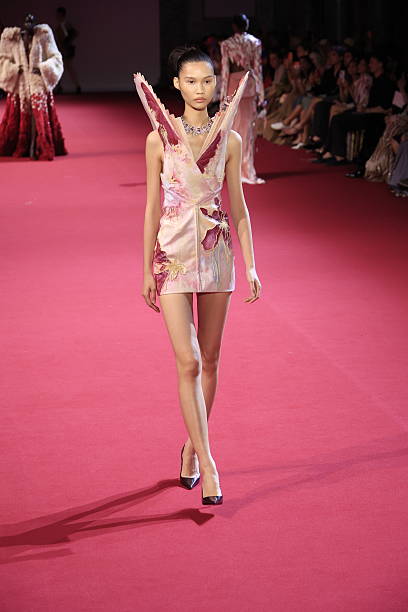
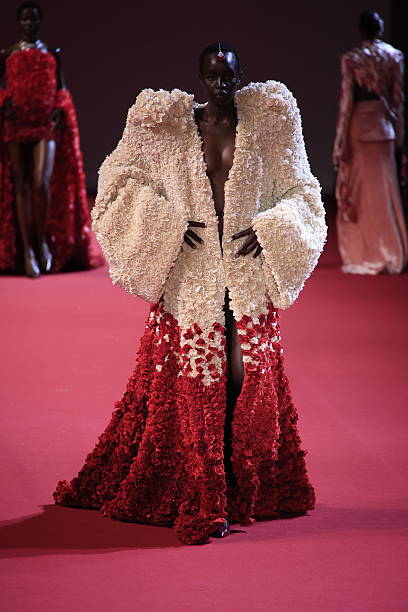
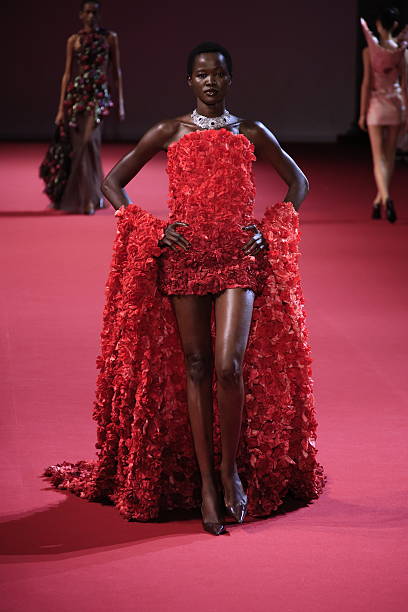
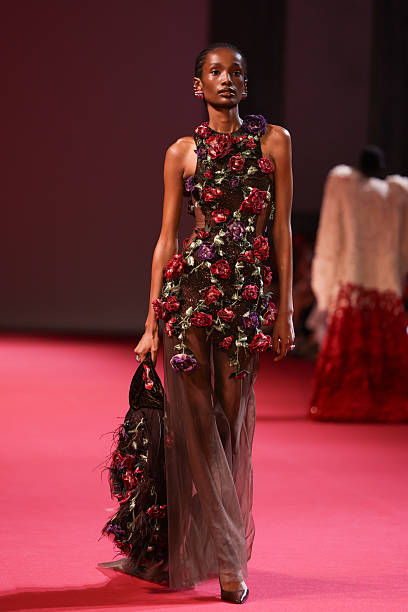
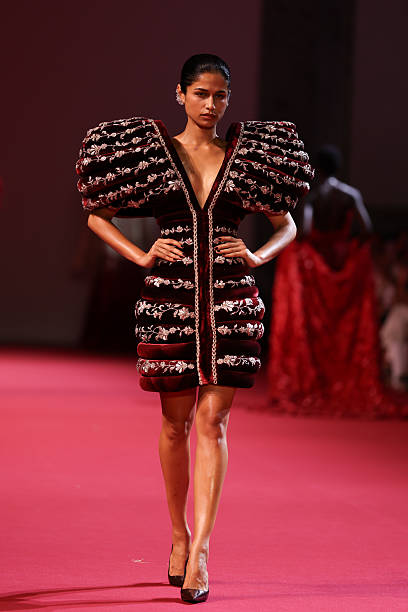
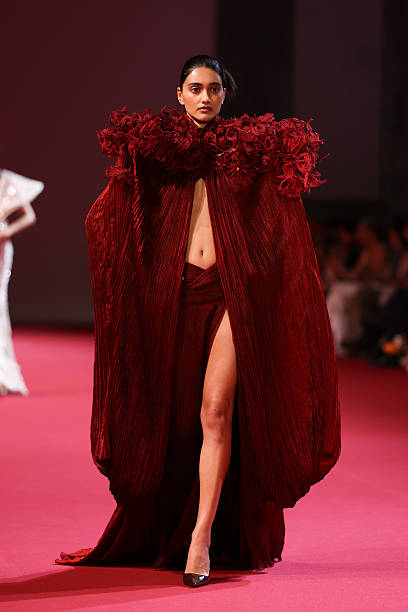
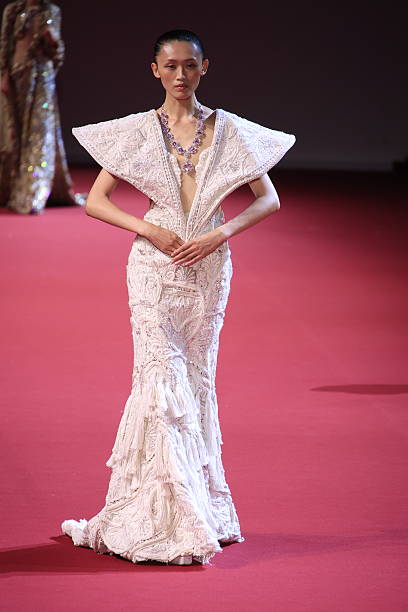
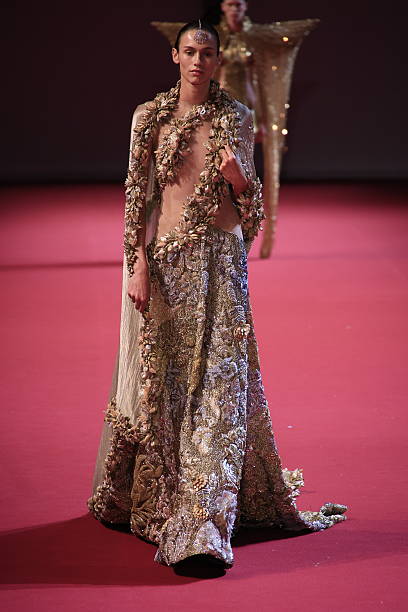
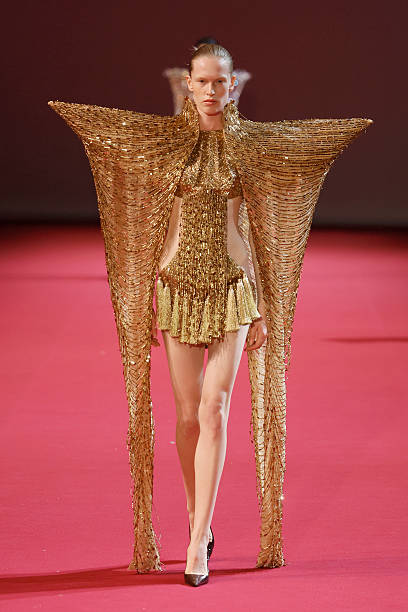
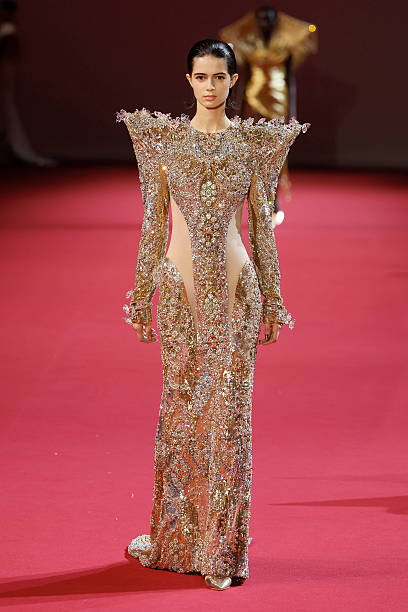
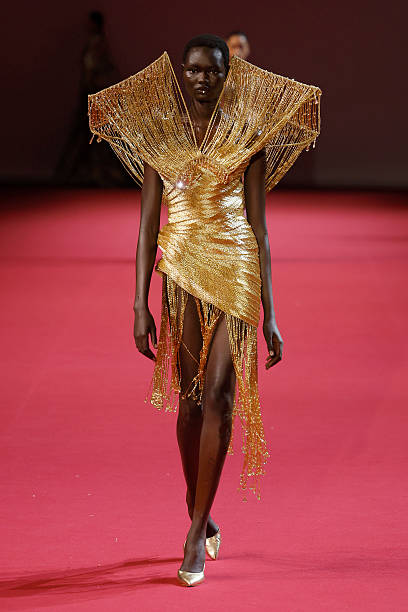
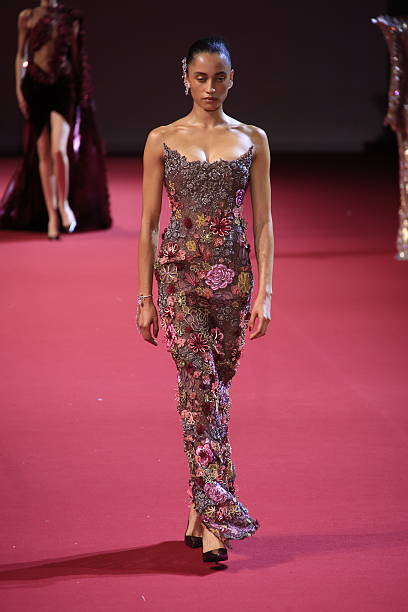
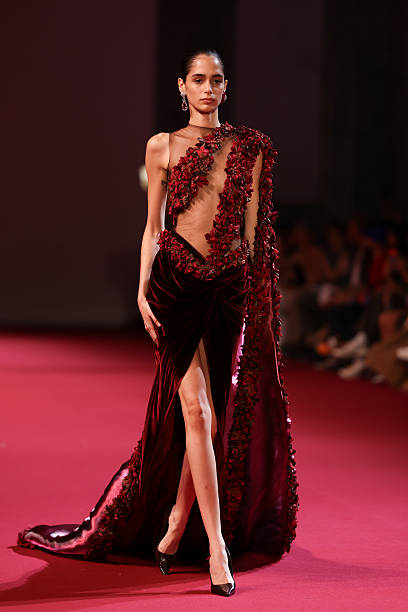
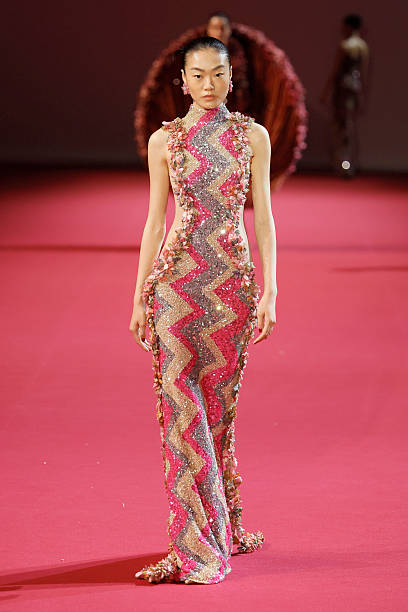
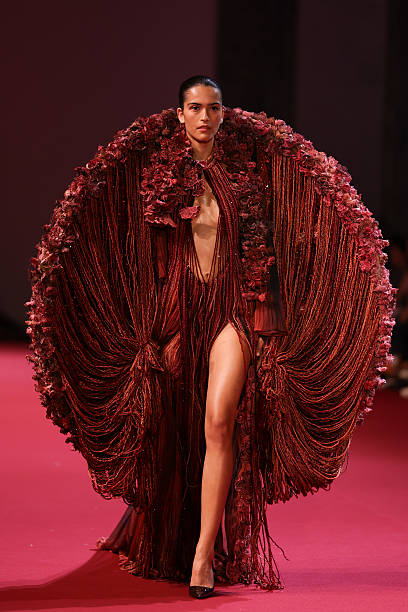
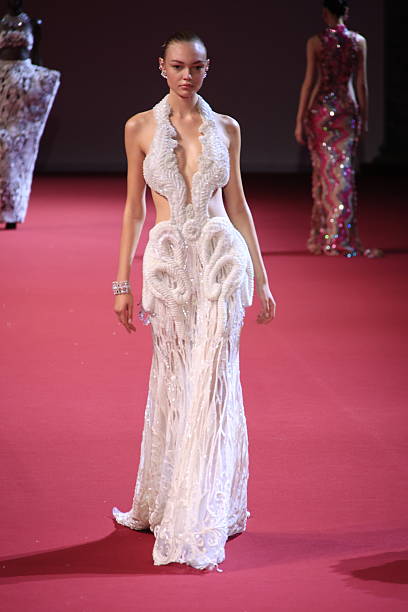
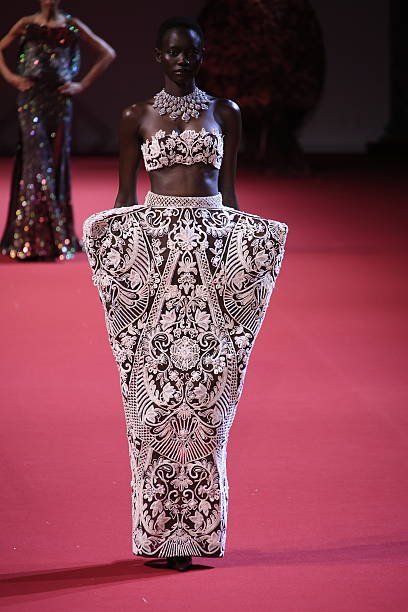
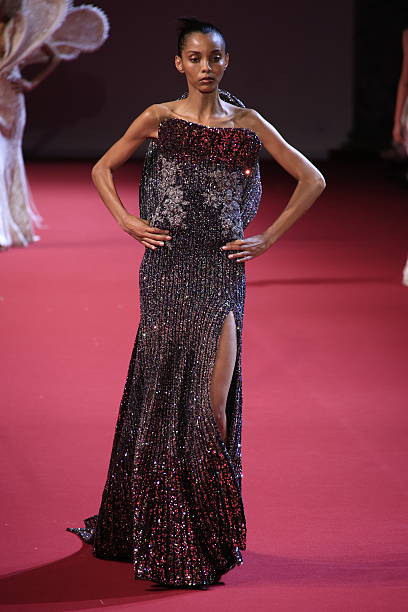
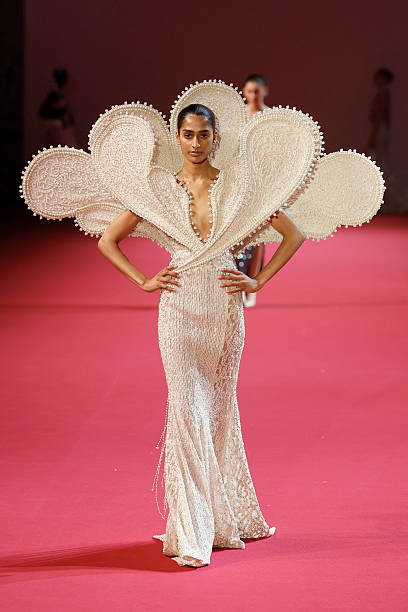
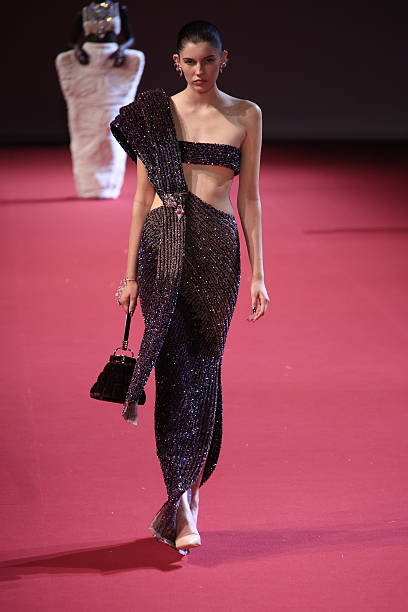
Manish Malhotra Couture Fall/Winter 2026 marked a defining moment in fashion history as the celebrated Indian designer made his long-awaited debut on the official Paris Haute Couture Week calendar. Presenting a deeply personal collection titled “MAA,” Malhotra introduced the world to a vision where Indian craftsmanship, heritage, and contemporary couture converged on one of fashion’s most prestigious stages. The debut was not only a milestone for the designer but also a significant moment for Indian couture, bringing centuries-old artisanal techniques into the global couture spotlight.
A Landmark Moment for Indian Fashion
For decades, Manish Malhotra has been one of India’s most influential designers, dressing Bollywood’s biggest stars while building a luxury label known for exceptional embroidery, rich textiles, and modern glamour. His Fall/Winter 2026 couture presentation in Paris represented the next chapter in that journey.
The collection, MAA, was inspired by motherhood, creation, identity, and legacy. Rather than presenting couture simply as luxury fashion, Malhotra used the runway as a storytelling platform, weaving together emotion, memory, and craftsmanship through every silhouette. The presentation reflected how couture can preserve cultural heritage while embracing contemporary design.
The Story Behind “MAA”
Unlike many couture collections that focus solely on fantasy, MAA carried a deeply emotional narrative. The collection unfolded across four interconnected chapters:
- Cocoon
- Bond
- Becoming
- Abundance
Each chapter represented different stages of life and human connection, using couture as a language to express growth, protection, transformation, and celebration. This narrative approach gave the collection emotional depth while allowing each look to build upon the last.
Instead of relying on theatrical concepts alone, Malhotra grounded every design in personal storytelling, making the presentation feel intimate despite its grand couture setting.
Indian Craftsmanship Takes Center Stage
One of the defining characteristics of the collection was its celebration of India’s extraordinary textile heritage.
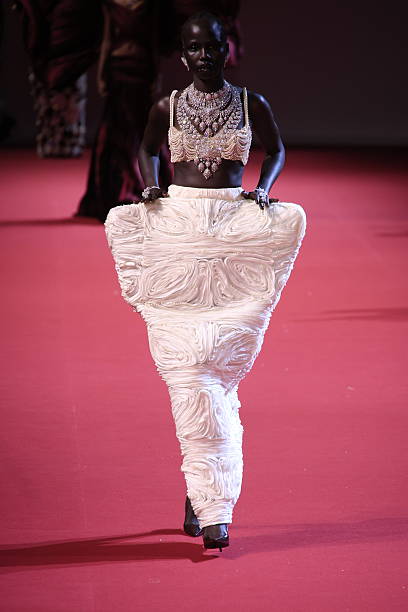
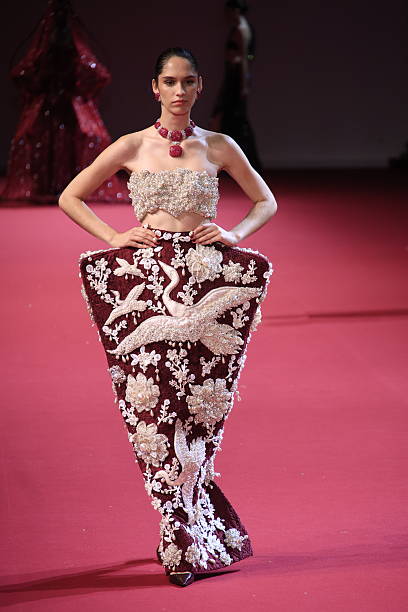
Intricate hand embroidery covered gowns, jackets, capes, and sculptural eveningwear, showcasing countless hours of artisanal work. Traditional embroidery techniques were elevated through couture construction, resulting in garments that balanced historical craftsmanship with modern silhouettes.
The collection featured:
- Crystal embellishments
- Metallic embroidery
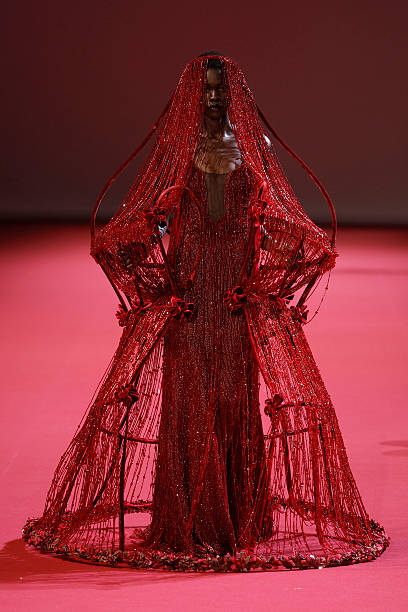
- Intricate beadwork
- Rich handwoven fabrics
- Sculptural tailoring
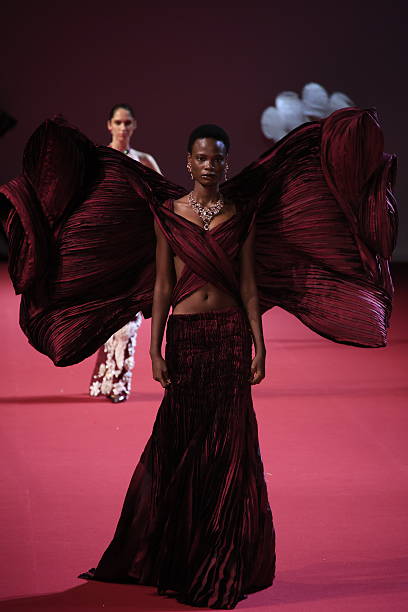
- Luxurious velvet and silk textiles
- Dramatic capes and flowing trains
Rather than treating embellishment as decoration, Malhotra used embroidery as architecture, creating garments whose texture became part of their structure.
This dedication to handcraft aligned perfectly with a broader Fall/Winter 2026 couture season that emphasized artisanal excellence and the value of human craftsmanship.
A Rich Palette of Jewel Tones and Metallic Elegance
The color story reflected both heritage and modern luxury.
Deep black formed the foundation of many looks, allowing intricate embroidery to shine under the runway lights. Emerald green, ruby red, ivory, antique gold, champagne, and silver appeared throughout the collection, creating visual richness without overwhelming the garments’ craftsmanship.
Metallic accents added dimension, while shimmering embellishments caught the light with every movement, reinforcing couture’s fascination with texture and luminosity.
The restrained yet luxurious palette ensured attention remained focused on the extraordinary level of detail embedded within each design.
Sculptural Silhouettes Meet Fluid Elegance
The silhouettes balanced traditional couture volume with graceful movement.
The runway featured:
- Dramatic floor-length gowns
- Tailored jackets
- Flowing capes
- Structured corsetry
- Modern evening separates
- Contemporary interpretations of Indian ceremonial dressing
Some looks embraced architectural precision through sculptural shoulders and fitted bodices, while others floated effortlessly with cascading fabrics and layered drapery.
This contrast created rhythm throughout the presentation, demonstrating Malhotra’s ability to move seamlessly between structured tailoring and romantic fluidity.
Couture That Honors Heritage Without Nostalgia
What made the collection particularly compelling was its refusal to treat tradition as something static.
Instead of reproducing historical garments, Malhotra reimagined Indian craftsmanship for an international couture audience. Traditional techniques appeared within silhouettes that felt contemporary and globally relevant.
This modern interpretation allowed the collection to celebrate cultural identity without becoming costume. Every garment communicated confidence, sophistication, and timeless luxury.
The result was couture that felt unmistakably Indian while remaining entirely at home on the Paris runway.
The Beauty Direction
Beauty styling complemented the collection’s refined elegance.
Models wore polished complexions with softly defined eyes and understated lips, allowing the garments to remain the primary focus. Hair was styled with clean finishes that enhanced the architectural quality of the clothing while maintaining a sense of effortless sophistication.
The minimalist beauty direction echoed one of the broader themes seen throughout the Fall/Winter 2026 couture season, where refined styling allowed craftsmanship to take center stage.
International Recognition
Malhotra’s Paris debut attracted significant global attention from editors, buyers, celebrities, and fashion insiders.
Among those attending were influential fashion figures including Anna Wintour and actress Fan Bingbing, underscoring the international significance of the presentation. Their presence reflected the growing recognition of Indian luxury fashion on the world stage.
The debut also generated widespread praise across fashion media for successfully introducing Indian couture to Paris Haute Couture Week while remaining authentic to its cultural roots.
Why This Collection Matters
Manish Malhotra’s Fall/Winter 2026 collection represents far more than another couture show.
It signals an important shift toward greater global appreciation of diverse couture traditions. While Paris has long been the center of haute couture, Malhotra’s debut demonstrated that exceptional craftsmanship exists well beyond traditional European fashion houses.
His collection highlighted the extraordinary skill of Indian artisans and reaffirmed that couture’s future lies not only in innovation but also in preserving cultural techniques that have been perfected over generations.
As fashion continues to embrace wider perspectives, MAA stands as an inspiring example of how heritage and modernity can coexist beautifully.
Final Thoughts
With Manish Malhotra Couture Fall/Winter 2026, the designer delivered one of the most meaningful debuts of the couture season. MAA combined emotional storytelling, meticulous craftsmanship, luxurious textiles, and contemporary elegance into a collection that resonated far beyond the runway.
By bringing Indian couture to the official Paris Haute Couture Week calendar, Malhotra achieved more than personal success—he opened new doors for Indian fashion on the global stage. Every embroidered gown, sculptural silhouette, and handcrafted detail reflected the artistry that has defined his career while introducing a new international audience to the richness of India’s couture tradition.
The collection serves as a reminder that haute couture is not only about extraordinary clothing but also about preserving culture, celebrating craftsmanship, and telling stories that transcend borders.