
|
Getting your Trinity Audio player ready… |
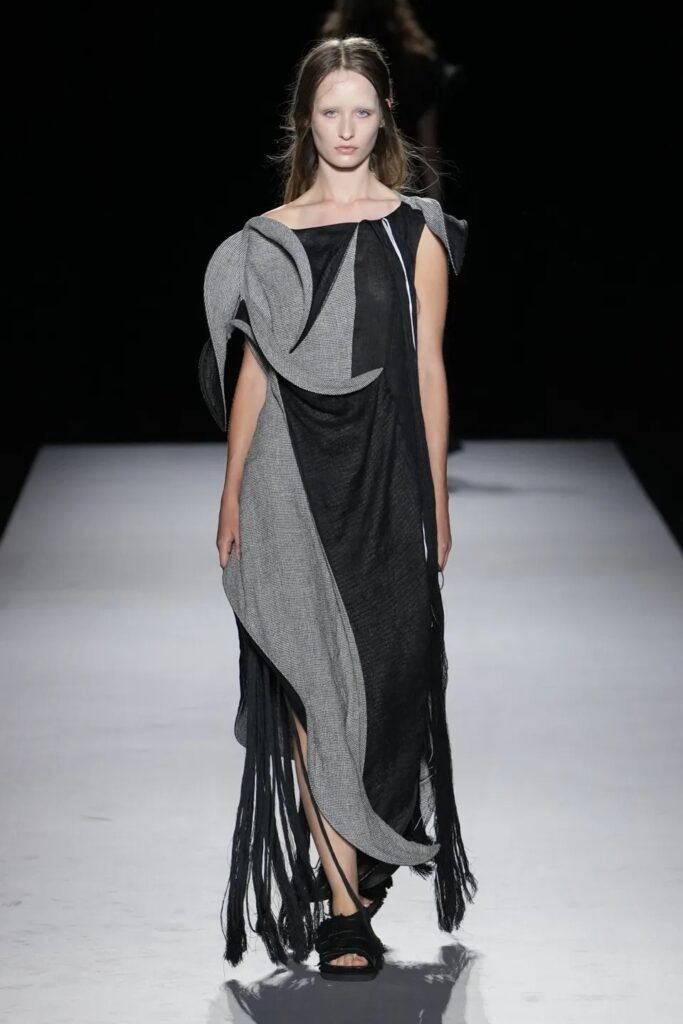
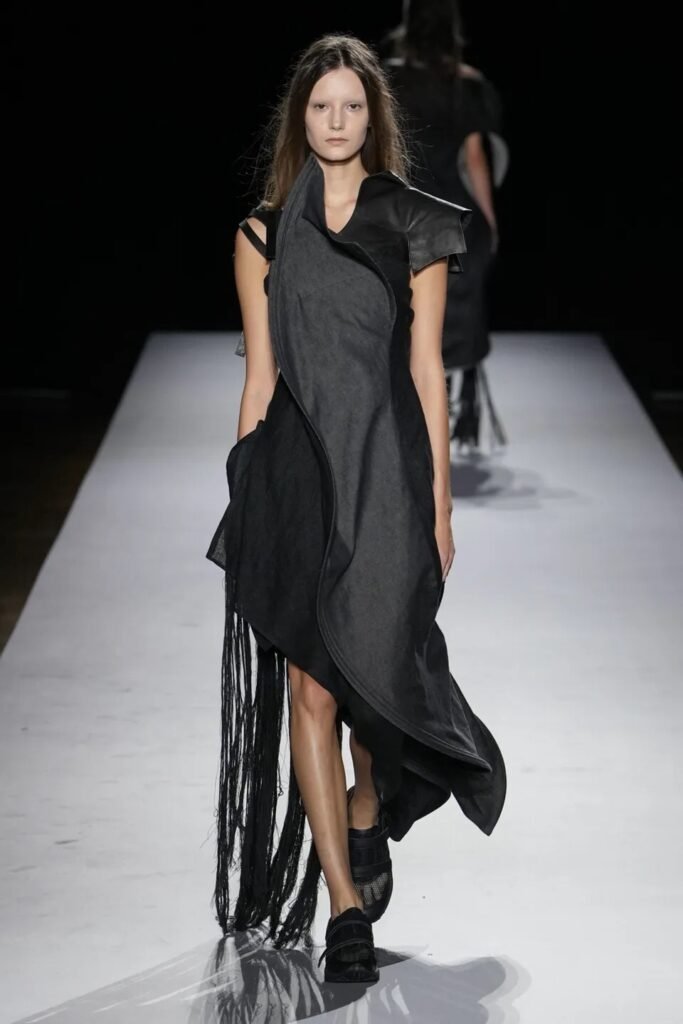
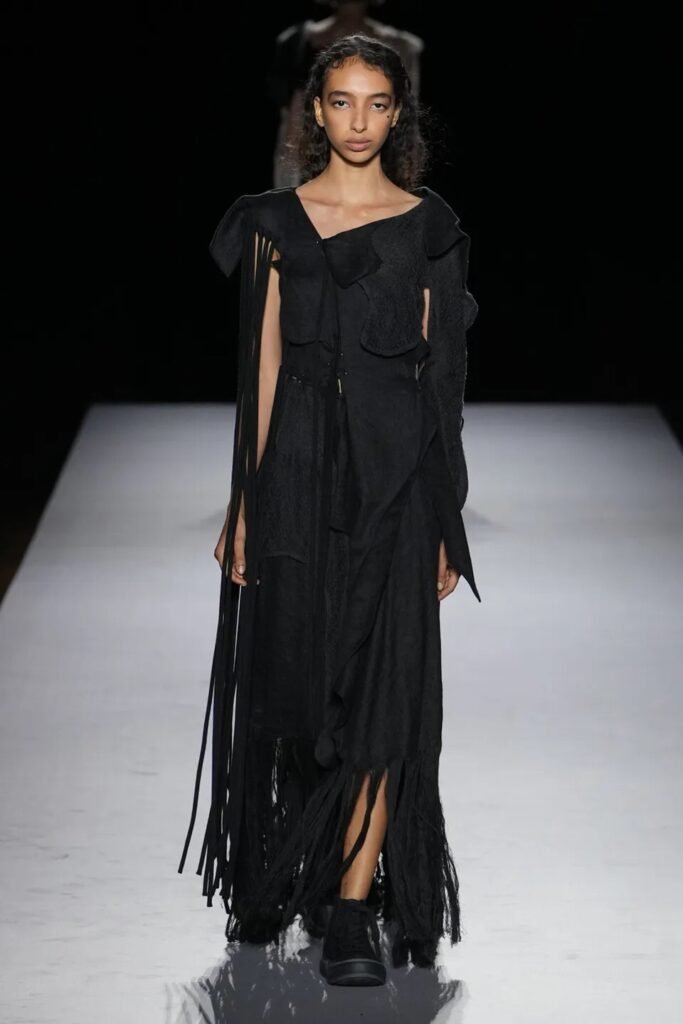
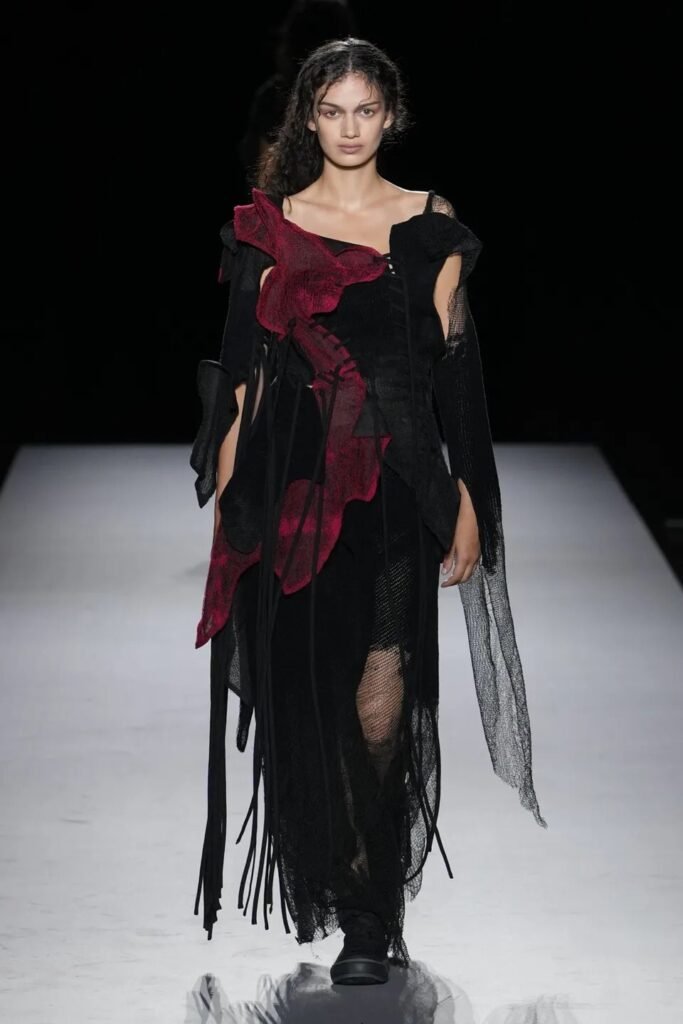
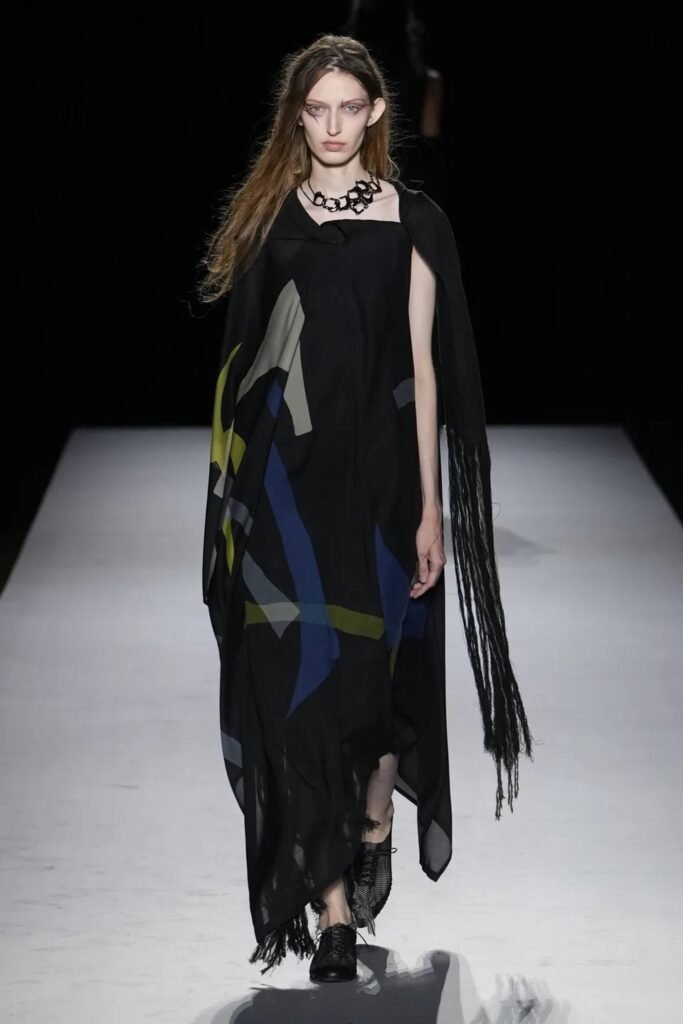
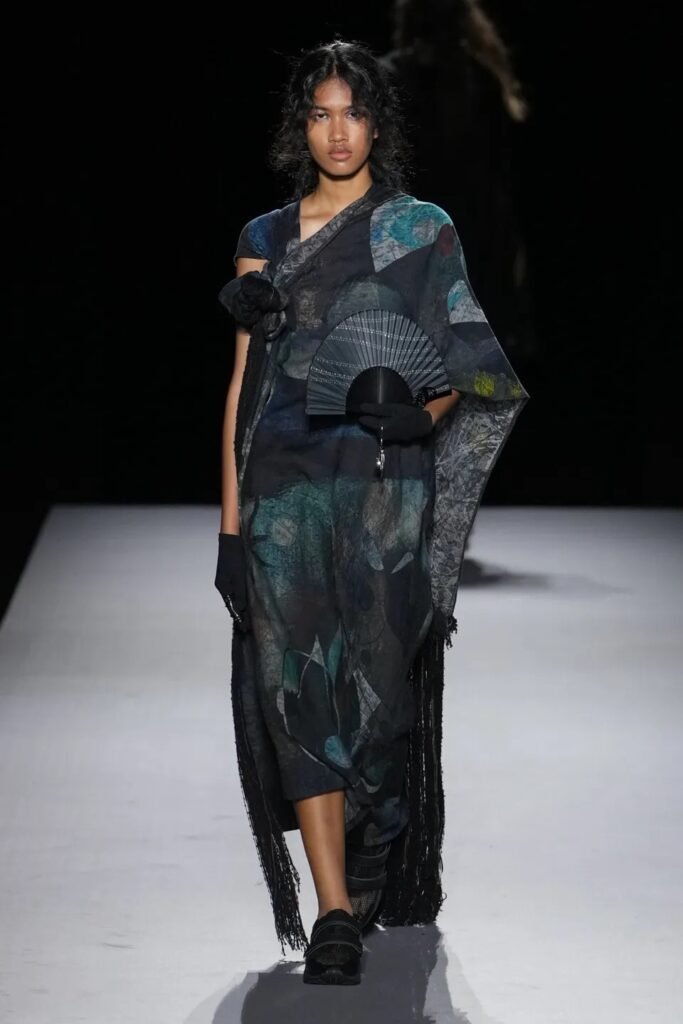
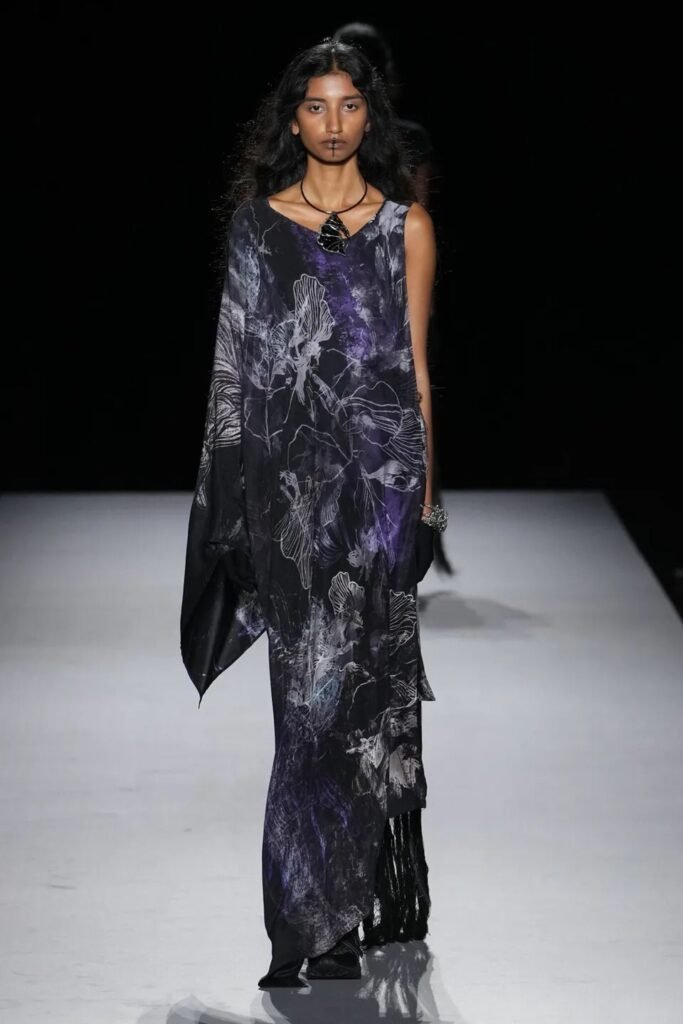
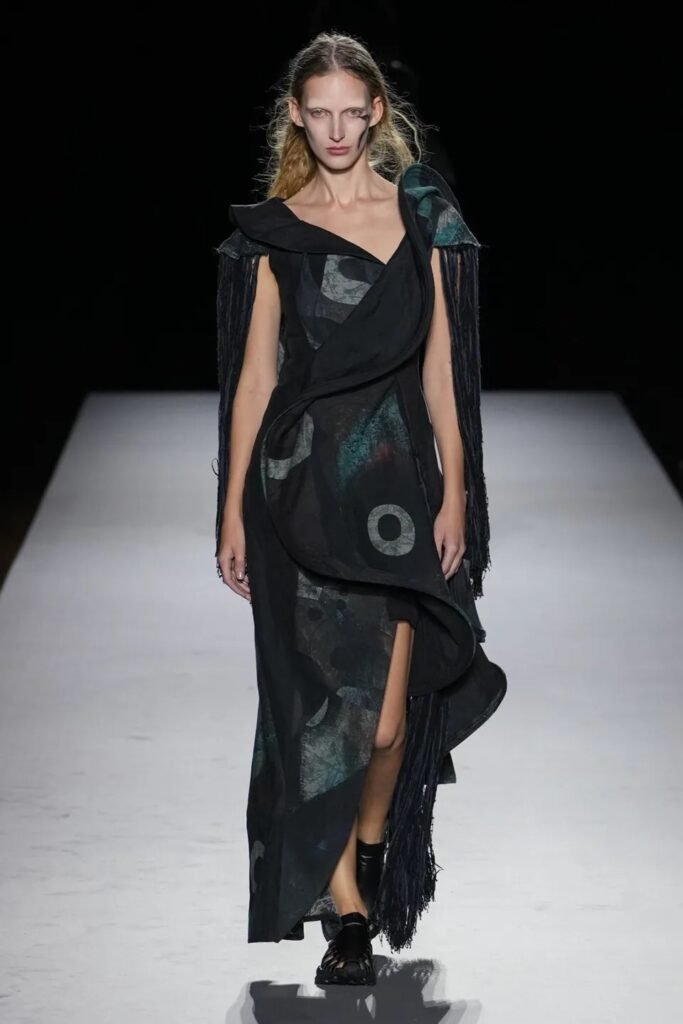
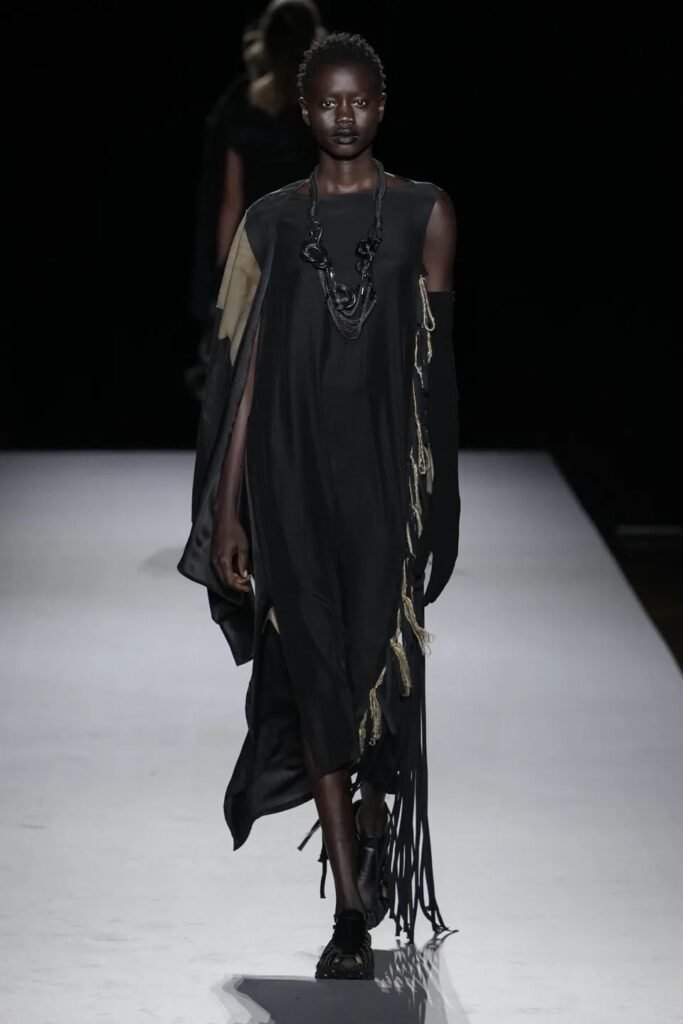
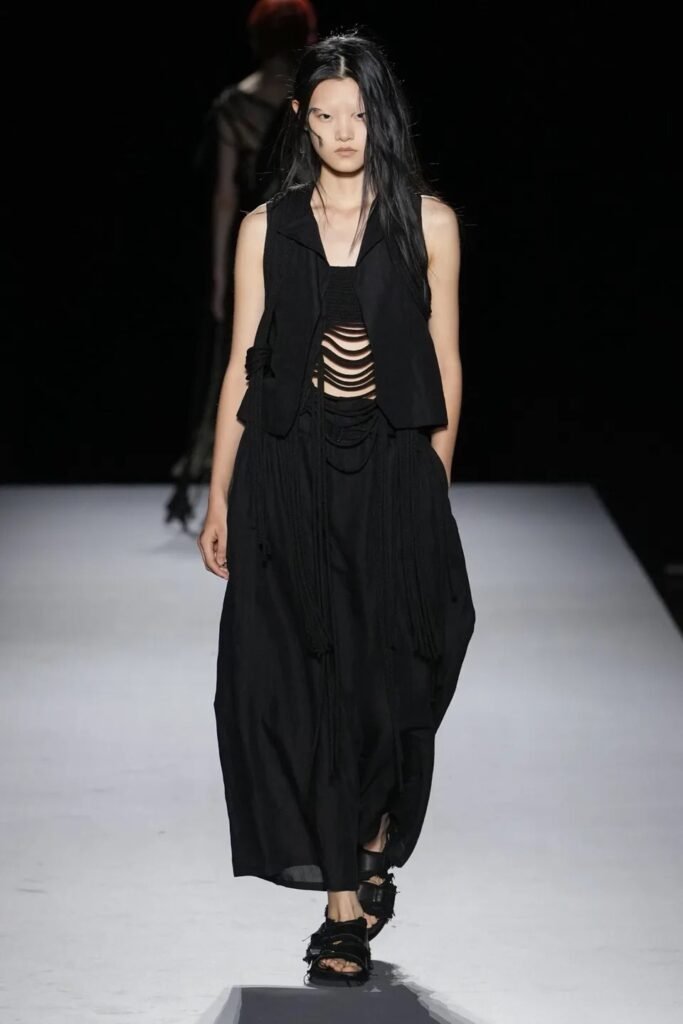
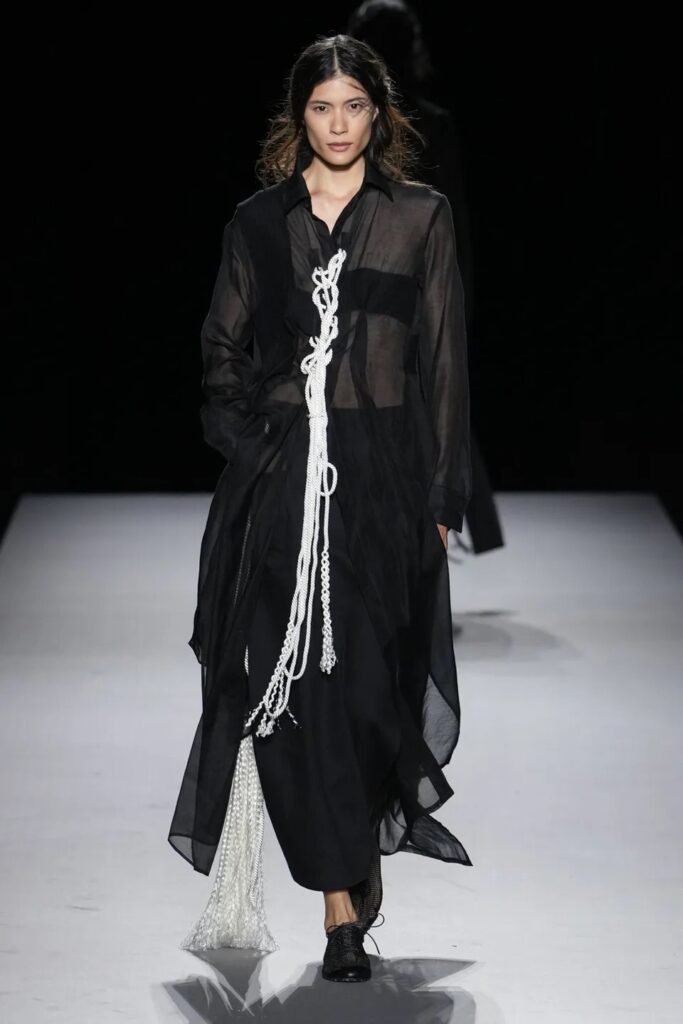
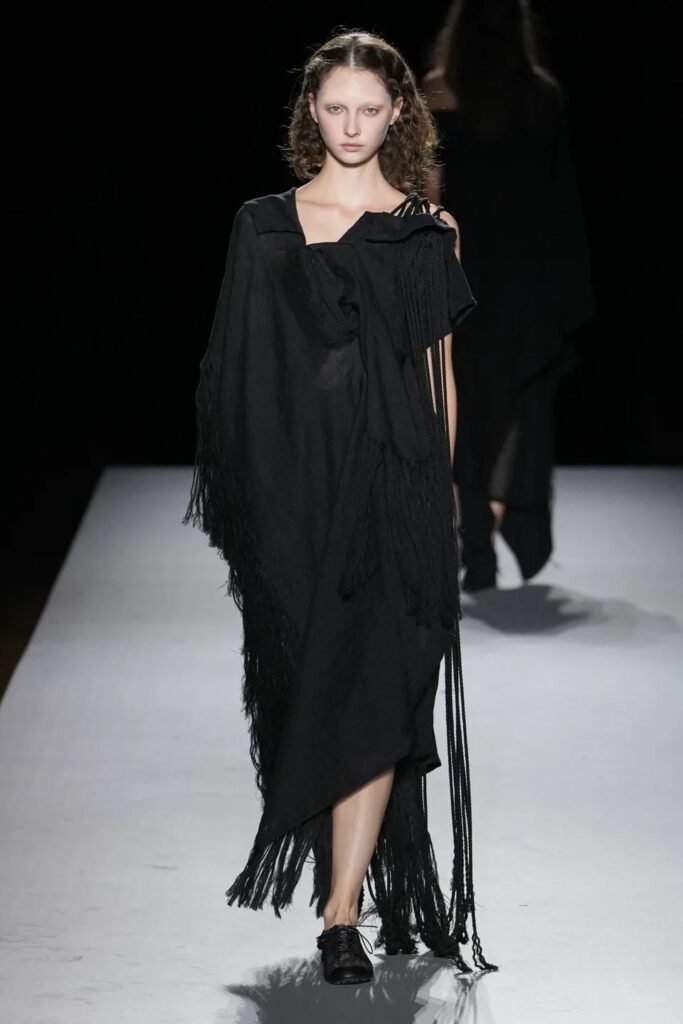
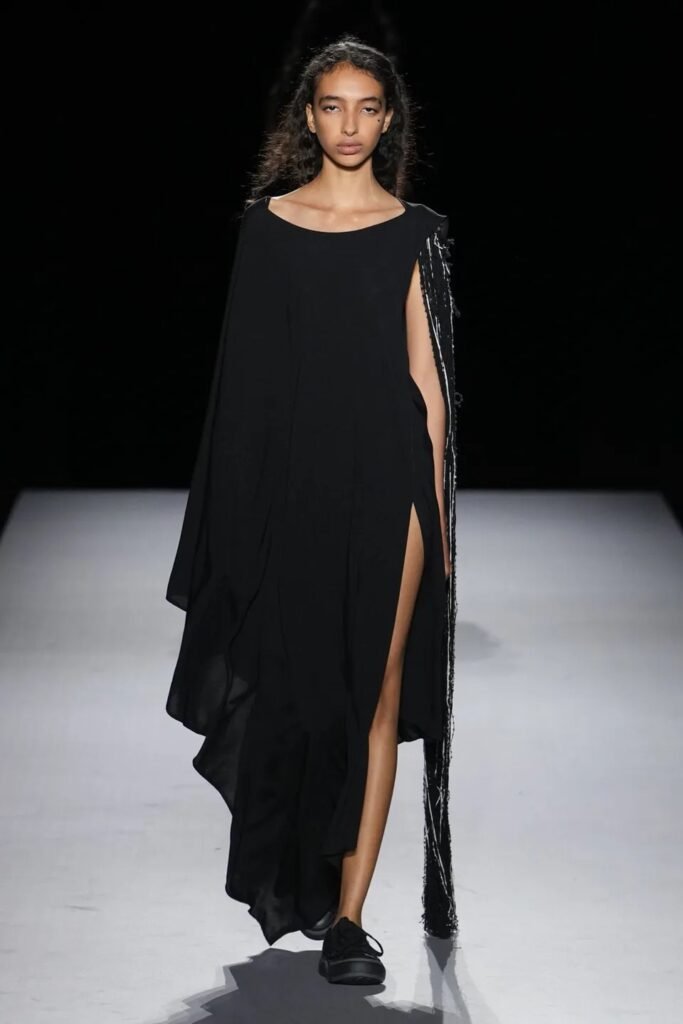
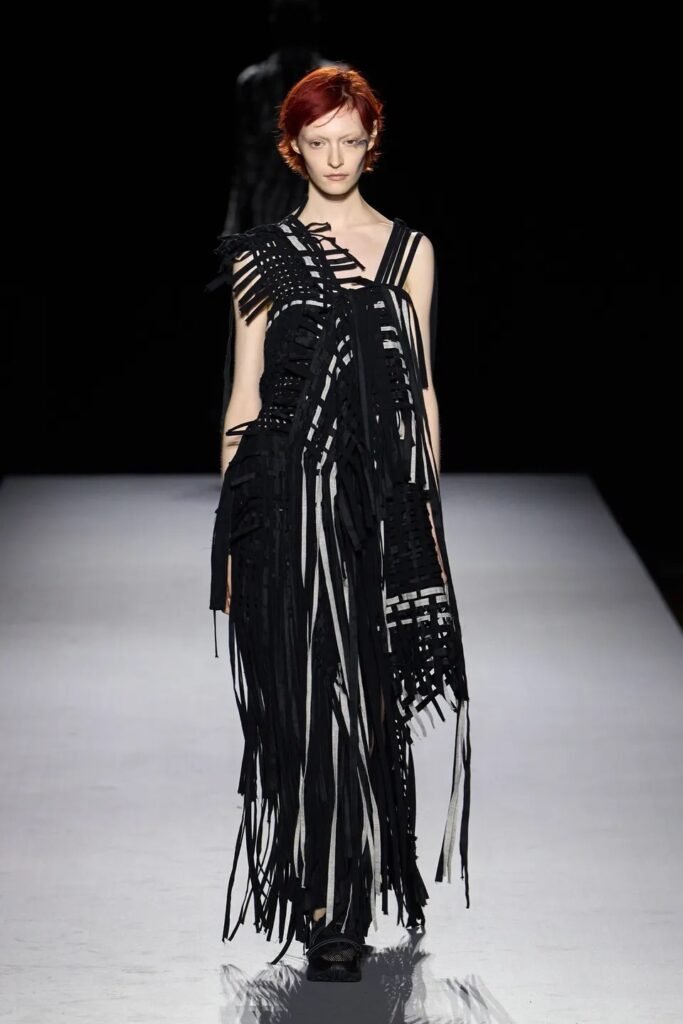
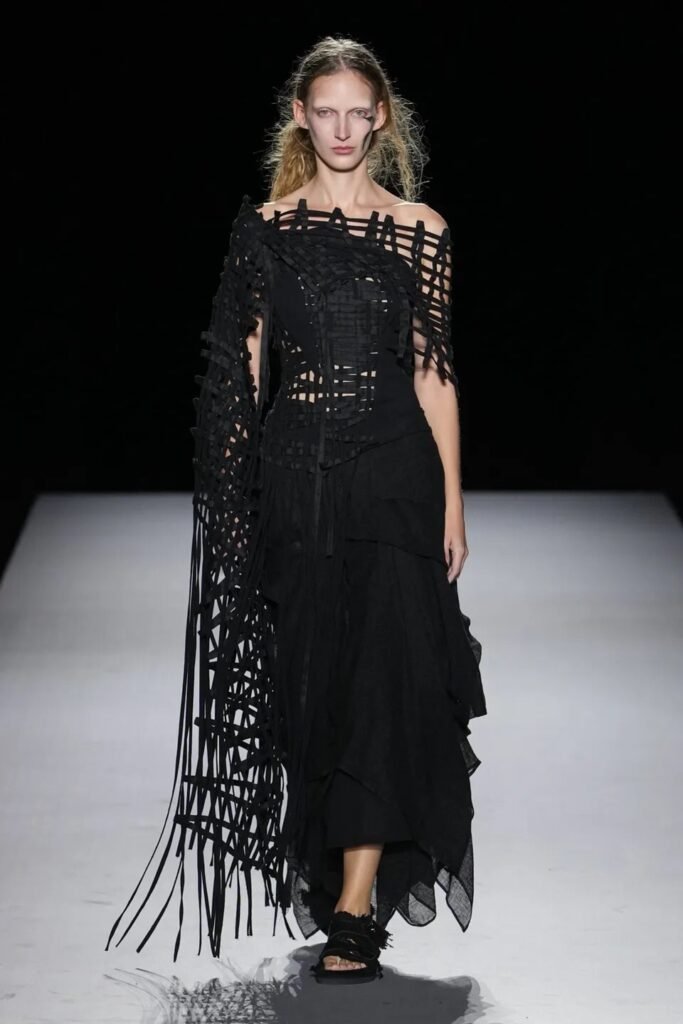
Yohji Yamamoto Spring 2027 Ready-to-Wear arrives in Paris with the Japanese designer once again bringing his distinctive language of darkness, movement, asymmetry, and intellectual tailoring to the international fashion stage.
Presented during Paris Fashion Week on October 2, 2026, the Spring/Summer 2027 collection continues a remarkable creative journey that has made Yamamoto one of fashion’s most influential designers. The show was scheduled for 7:00 p.m. Paris time and was presented from Paris as part of the official Spring 2027 womenswear calendar.
For more than four decades, Yohji Yamamoto has challenged conventional ideas about what clothing should look like, how the body should move inside it, and what beauty can mean beyond conventional glamour. His work has consistently questioned the traditional relationship between fashion and the body, replacing obvious perfection with volume, irregularity, deconstruction, and emotion.
Spring 2027 enters that continuing conversation.
Yohji Yamamoto’s Language of Fashion
Few designers have developed a visual vocabulary as recognizable as Yohji Yamamoto’s.
Black remains central to the designer’s universe, but Yamamoto’s approach to black has never been simply about color. In his hands, black becomes texture, shadow, structure, movement, and atmosphere. A coat can appear almost architectural from one angle and completely fluid from another.
This philosophy has defined the house since Yamamoto began presenting in Paris in the early 1980s. His work helped establish a different understanding of Japanese fashion in Paris, one that rejected the idea that clothing had to follow conventional Western ideas of proportion, polish, and femininity.
That legacy remains important to understanding every new Yohji Yamamoto collection.
Spring 2027 at Paris Fashion Week
The Spring/Summer 2027 season has brought a particularly busy Paris Fashion Week calendar, running from September 28 through October 6, with dozens of runway shows and presentations across the city. Yohji Yamamoto’s womenswear presentation occupies the evening slot on October 2.
The timing is significant because Yamamoto’s show arrives alongside collections from some of the industry’s most established houses, placing his deliberately unconventional approach within a fashion landscape increasingly interested in individuality, experimentation, and new interpretations of luxury.
Rather than chasing the season’s loudest commercial trends, Yamamoto has historically operated according to his own rhythm.
That independence remains one of the defining qualities of the house.
Deconstruction as Design
Yamamoto’s work is often described through the language of deconstruction, but the term only partially captures what makes his clothes distinctive.
His garments frequently appear unfinished, oversized, irregular, layered, or deliberately displaced. Seams can become visual details. Fabric can hang away from the body. Traditional tailoring can be taken apart and reconstructed into something softer and less predictable.
The result is clothing that asks the wearer to participate.
Instead of dictating precisely where the body begins and ends, Yamamoto creates space around it.
This approach has made his work particularly important to generations of designers who have explored gender, proportion, functionality, and the emotional possibilities of clothing.
The Power of Silhouette
If there is one element that consistently defines Yohji Yamamoto, it is silhouette.
Long coats, generous trousers, asymmetric constructions, exaggerated proportions, layered garments, and sculptural tailoring have all played important roles throughout his career.
The silhouette is rarely designed simply to reveal the body.
Instead, Yamamoto often creates a dialogue between the body and the fabric.
Clothing can conceal rather than expose. It can exaggerate rather than flatter. It can move independently of the figure, creating a sense of mystery around the person wearing it.
That philosophy has made Yamamoto’s collections feel remarkably different from mainstream fashion, even when individual garments draw from familiar traditions such as tailoring, shirting, workwear, or evening dressing.
Black Beyond a Color
Black has become almost synonymous with Yohji Yamamoto, but reducing his work to an obsession with black misses the sophistication of his approach.
Throughout his career, the designer has demonstrated that black can contain extraordinary variation.
Matte and glossy surfaces create different impressions. Heavy fabrics produce architectural shapes, while lightweight materials introduce movement. Layering can create multiple shades and depths within what appears to be a single color.
Black becomes almost three-dimensional.
This is part of the reason Yamamoto’s collections remain visually compelling even without relying on the bright color stories that often dominate seasonal fashion coverage.
A Designer Who Refuses Easy Answers
Yohji Yamamoto’s influence extends beyond clothing.
His work has contributed to a broader reconsideration of beauty, gender, age, proportion, and individuality in fashion. His designs have consistently resisted the idea that fashion must make the wearer appear conventionally attractive.
Instead, his clothes can make the wearer appear mysterious, intellectual, romantic, severe, fragile, powerful, or completely unknowable.
That ambiguity is central to the Yamamoto aesthetic.
It is also one reason his work continues to resonate with audiences long after individual fashion trends disappear.
The Continuing Yohji Yamamoto Legacy
Yamamoto’s Spring 2027 collection arrives after a menswear season that offered another glimpse into the designer’s continuing experimentation with proportion and construction.
His Spring 2027 menswear collection, presented in Paris in June, explored deconstructed layering, airy proportions, unusual sleeve structures, long coats, and a mixture of historical references with contemporary practicality. Vogue’s review also noted the collection’s emphasis on shoulders and sleeves, while describing the use of lighter materials in response to extreme summer heat.
That menswear collection demonstrated that Yamamoto’s vocabulary remains capable of evolving without abandoning the fundamental principles that have defined his career.
The womenswear collection now continues that story.
Why Yohji Yamamoto Still Matters
Fashion changes quickly.
Designers change houses. Trends disappear. Social media accelerates the life cycle of aesthetics. What feels radical one season can become ordinary the next.
Yohji Yamamoto has largely operated outside that cycle.
His influence comes not from following fashion’s conversation but from repeatedly questioning its assumptions.
The designer’s career demonstrates that innovation does not necessarily mean constant reinvention. Sometimes innovation means returning to a personal vocabulary and discovering new possibilities within it.
That is the enduring strength of Yohji Yamamoto.
Yohji Yamamoto Spring 2027 Ready-to-Wear
As Spring 2027 unfolds across Paris Fashion Week, Yohji Yamamoto remains one of the designers capable of turning a runway presentation into a meditation on clothing itself.
His fashion is not simply about what is new for the season.
It is about how fabric interacts with the body. How proportion changes perception. How darkness can become beautiful. How imperfection can become deliberate. And how clothing can create an identity without explaining it.
With Spring 2027, Yamamoto once again enters a fashion landscape that has been profoundly influenced by the ideas he helped introduce decades ago.
And that may be the most remarkable part of the Yohji Yamamoto story: after more than forty years in Paris, his language still feels unmistakably his own.
Yohji Yamamoto Spring 2027 Ready-to-Wear is another chapter in that continuing exploration of darkness, movement, individuality, and the limitless possibilities of clothing.