By Jonathan Anderson
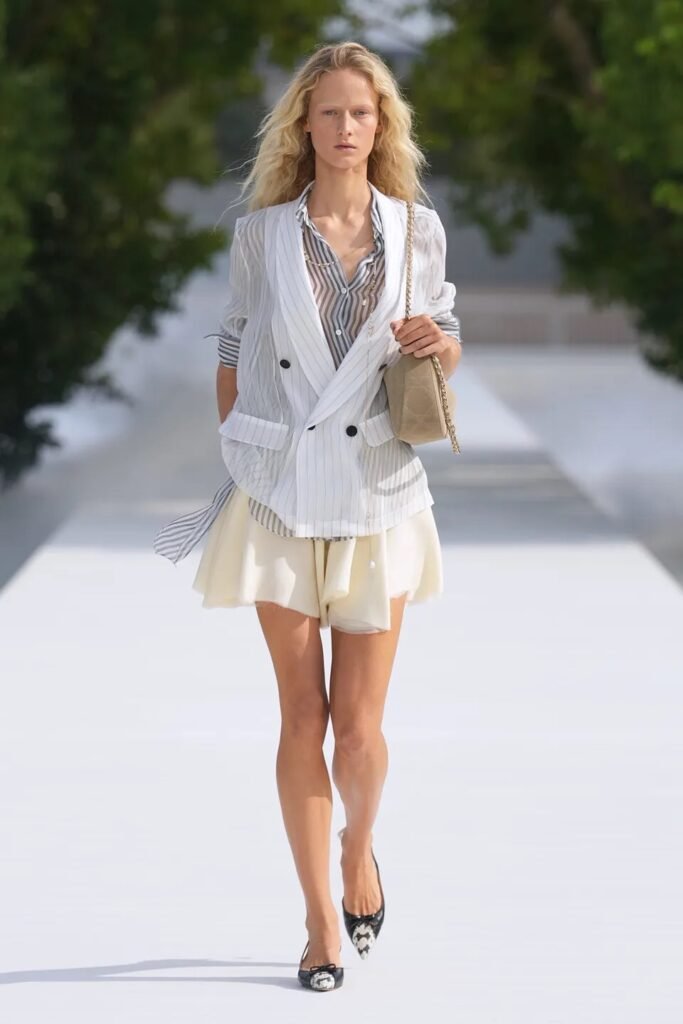
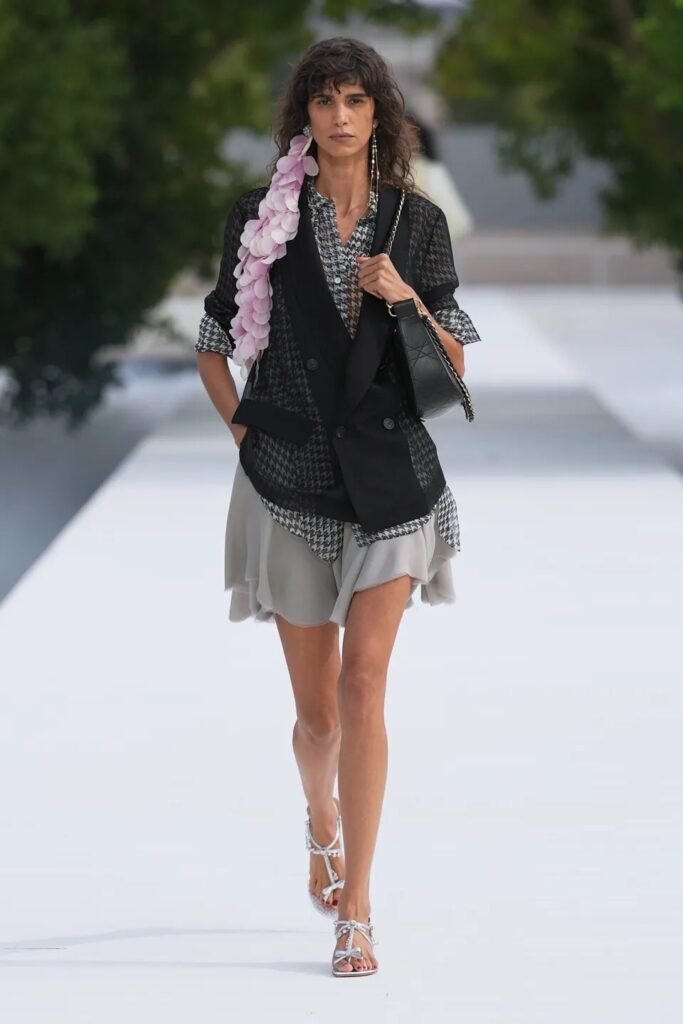
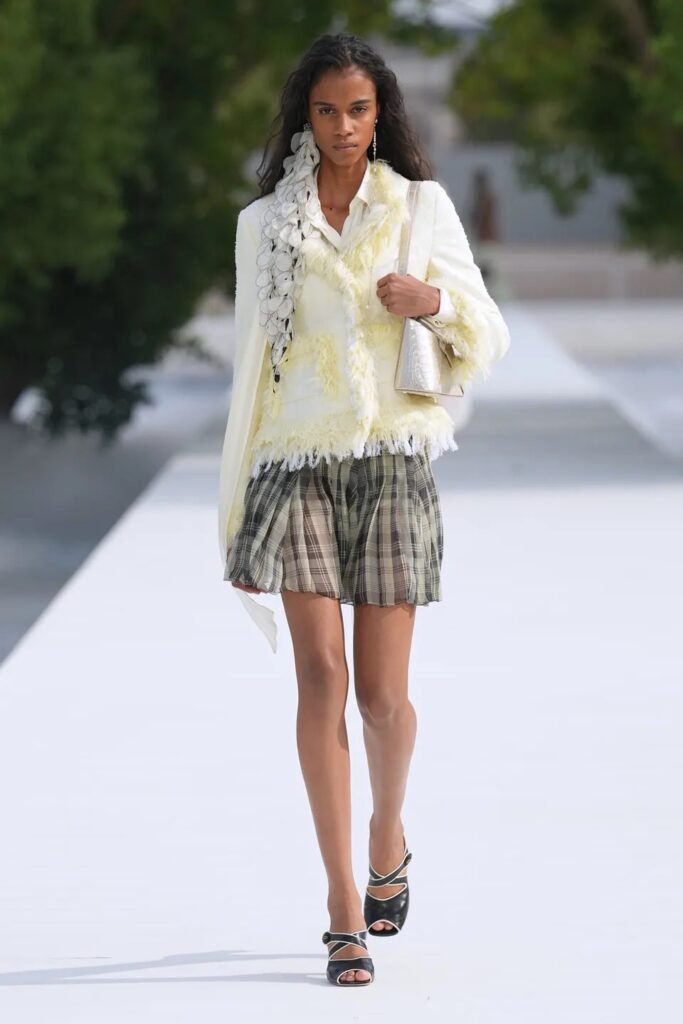
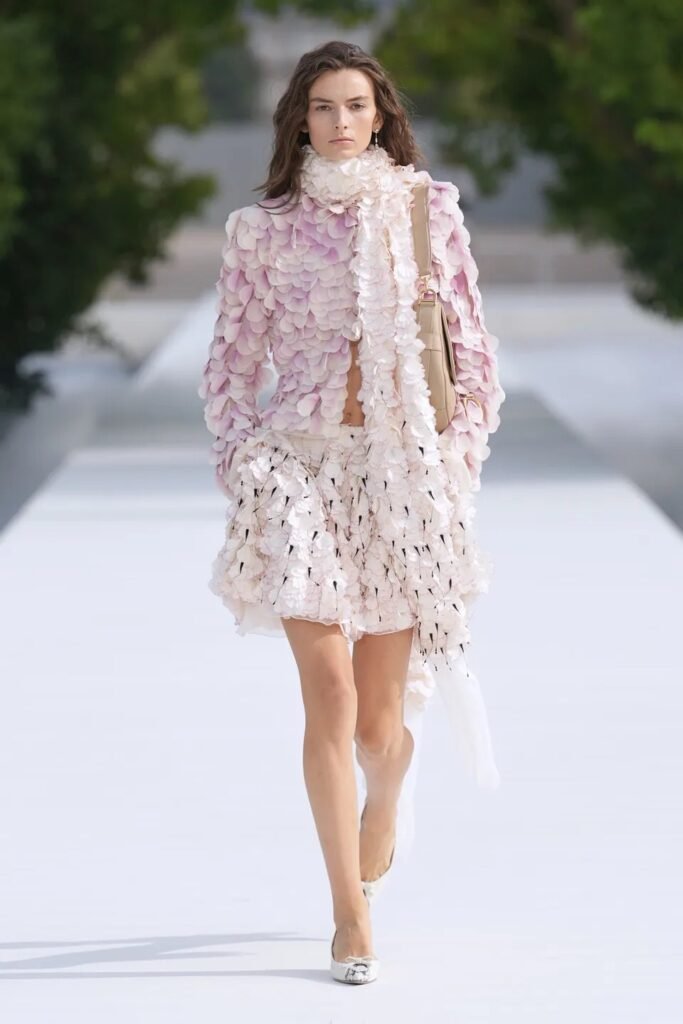
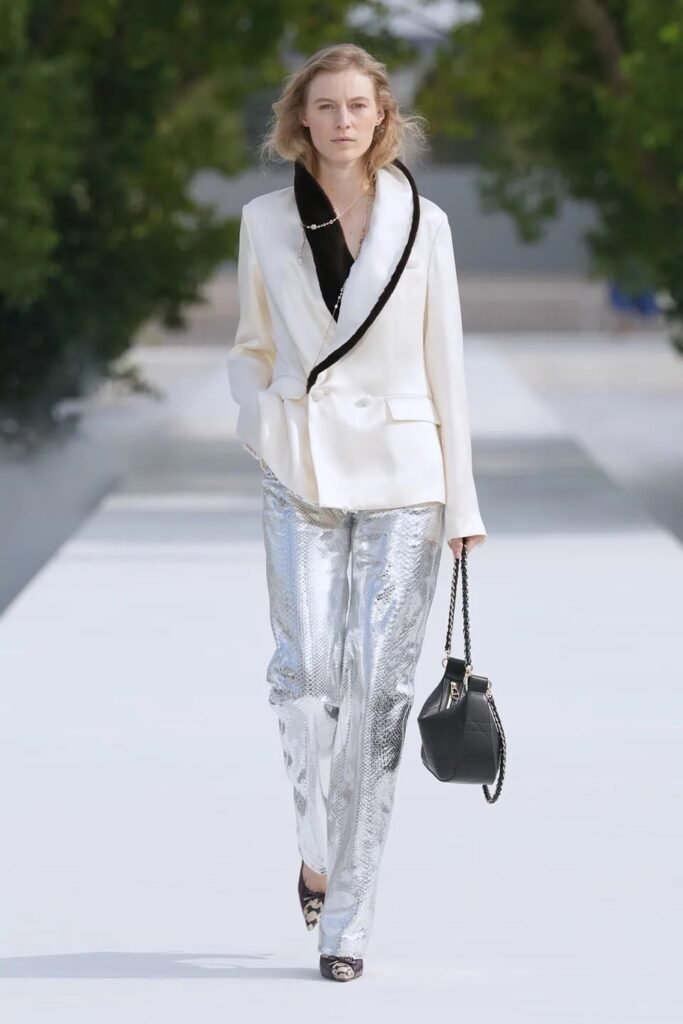
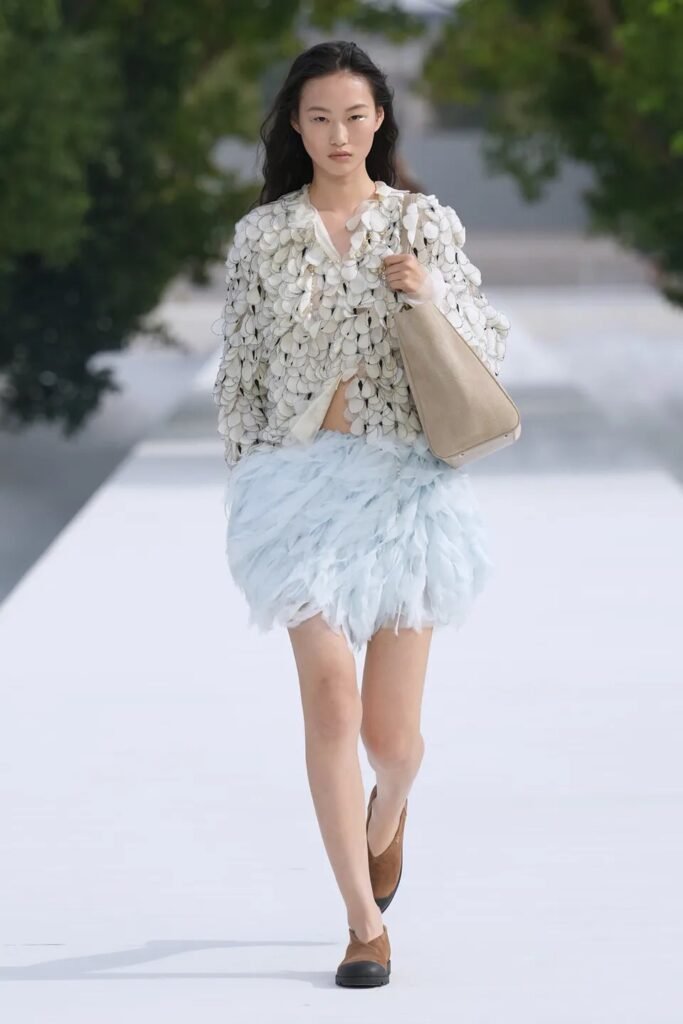
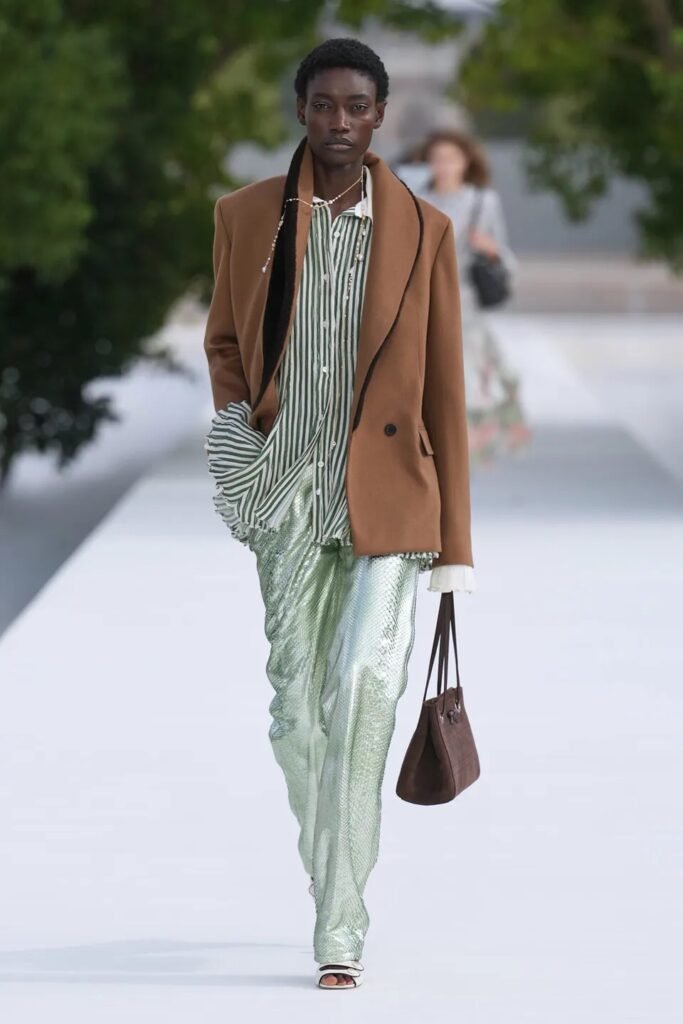
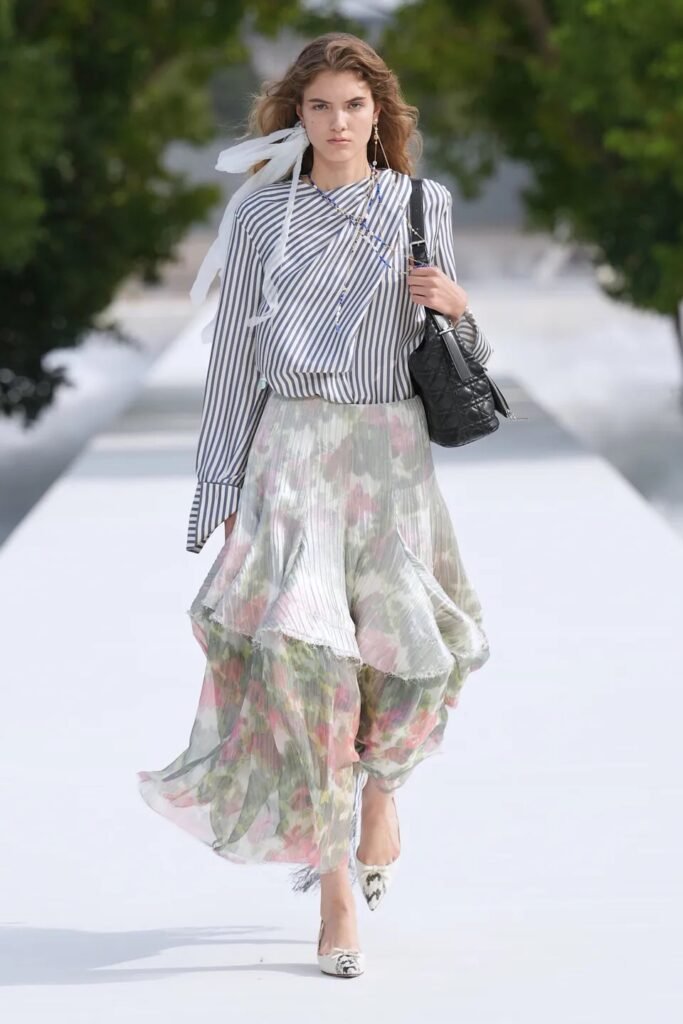
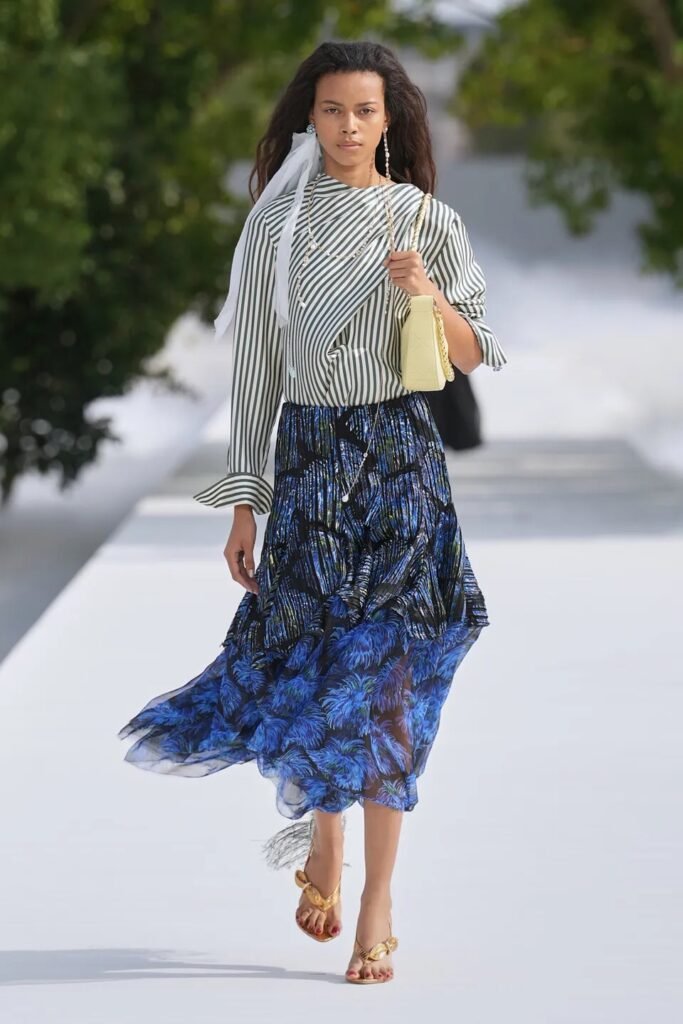
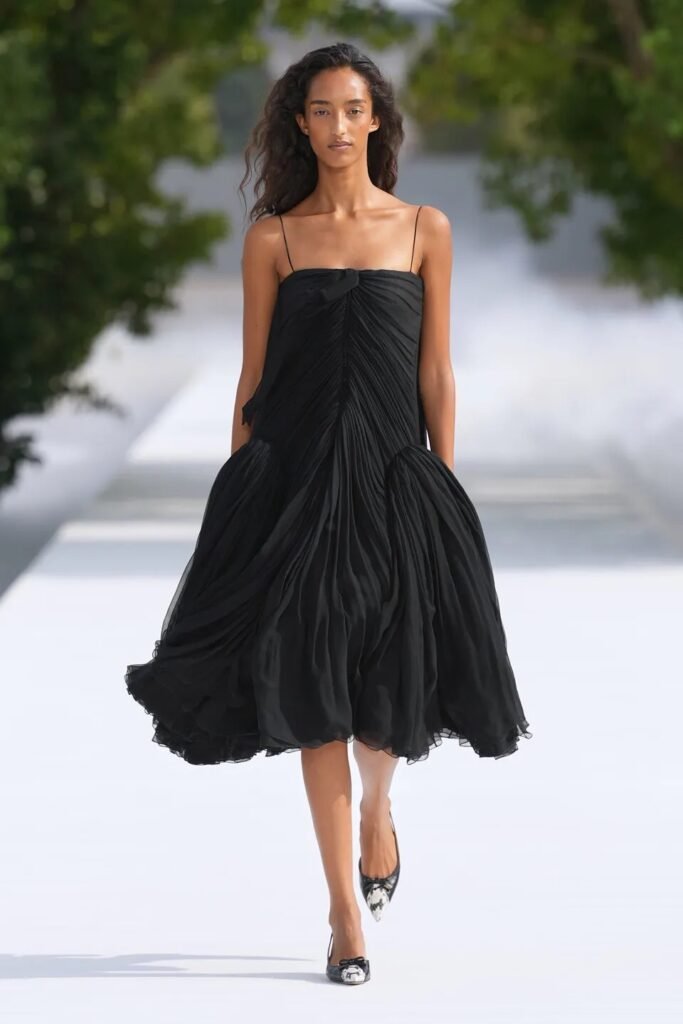
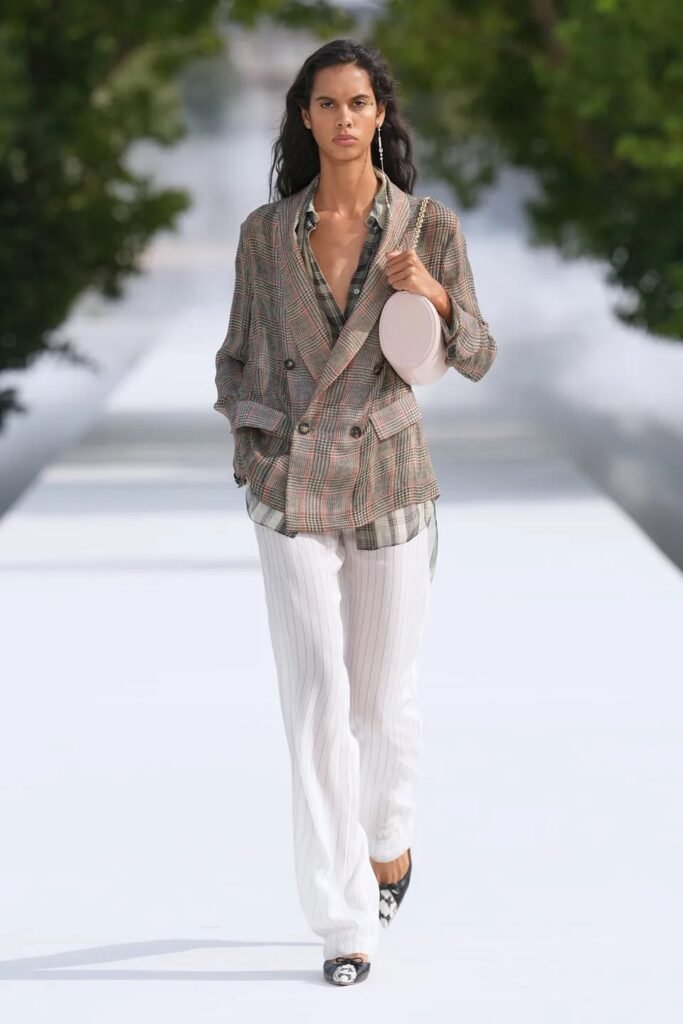
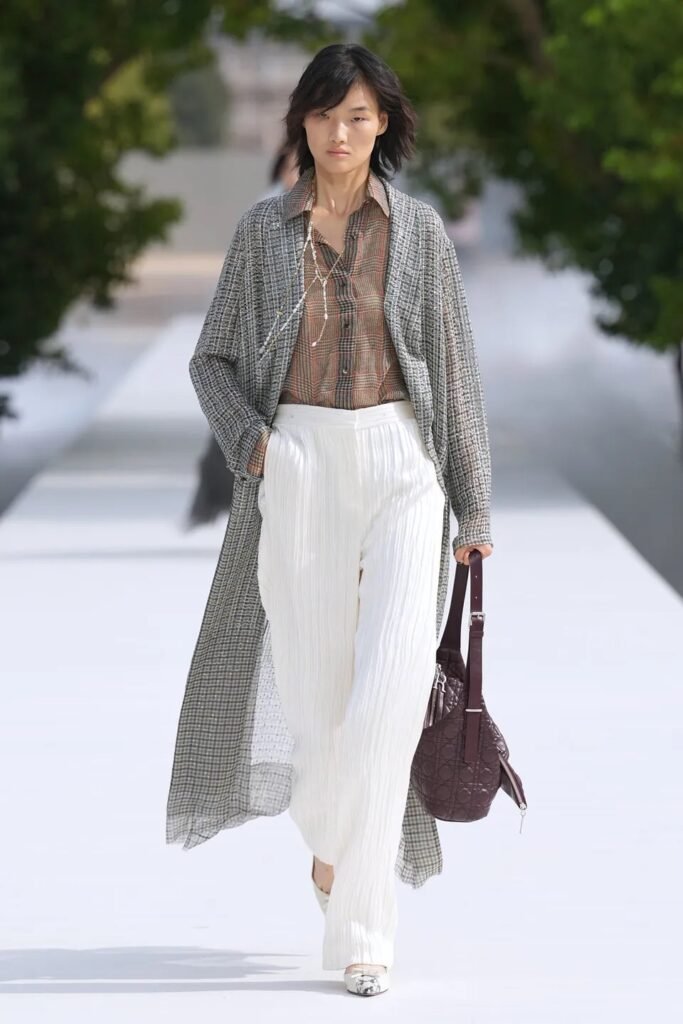
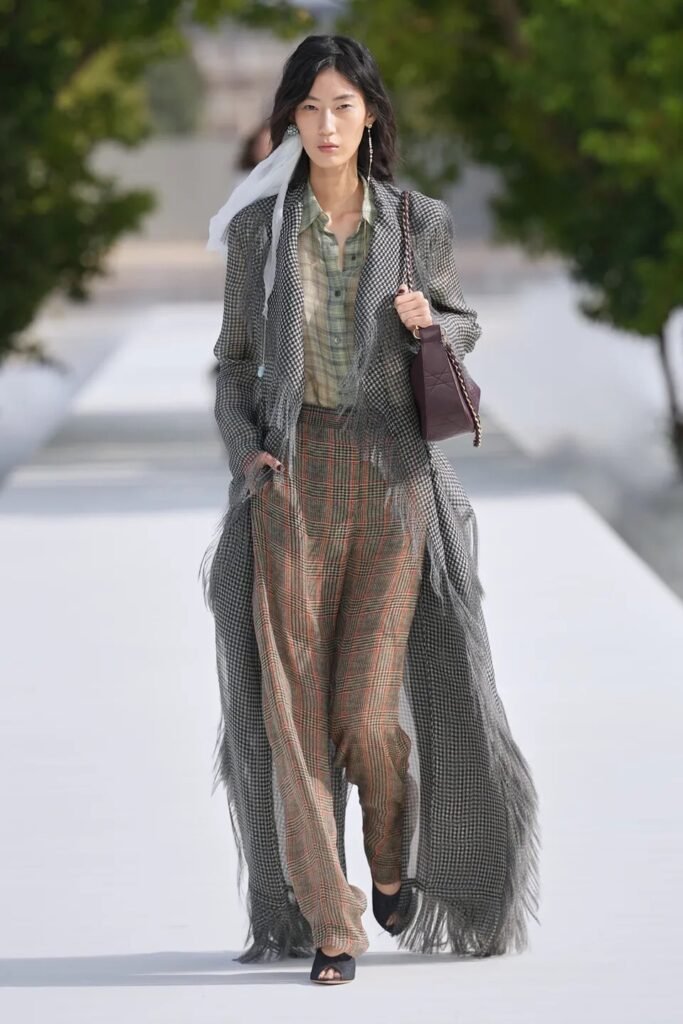
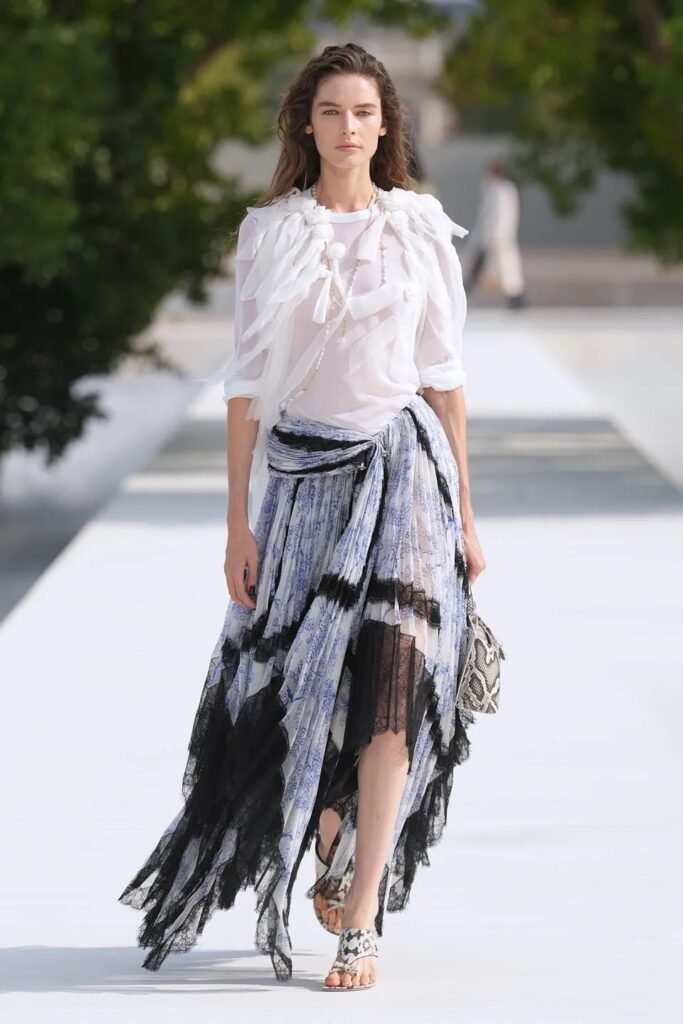
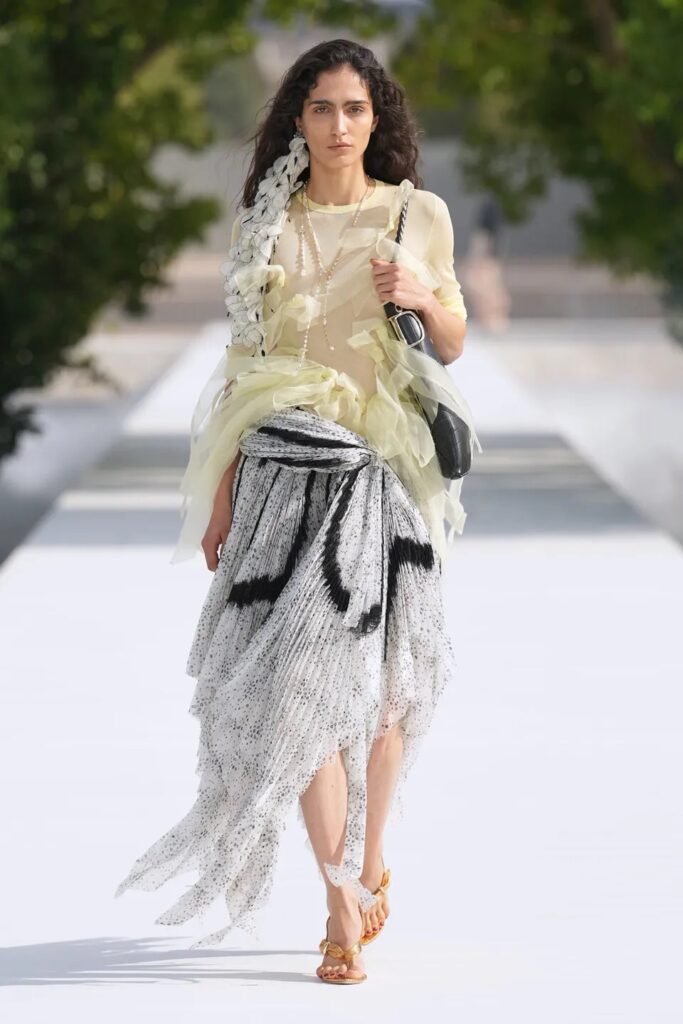
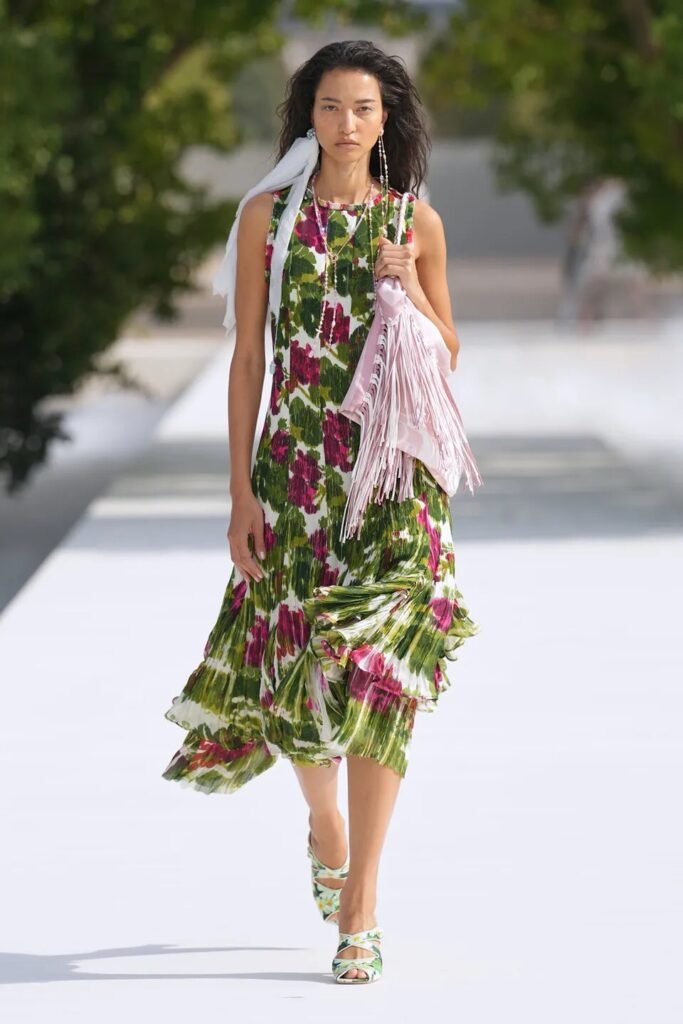
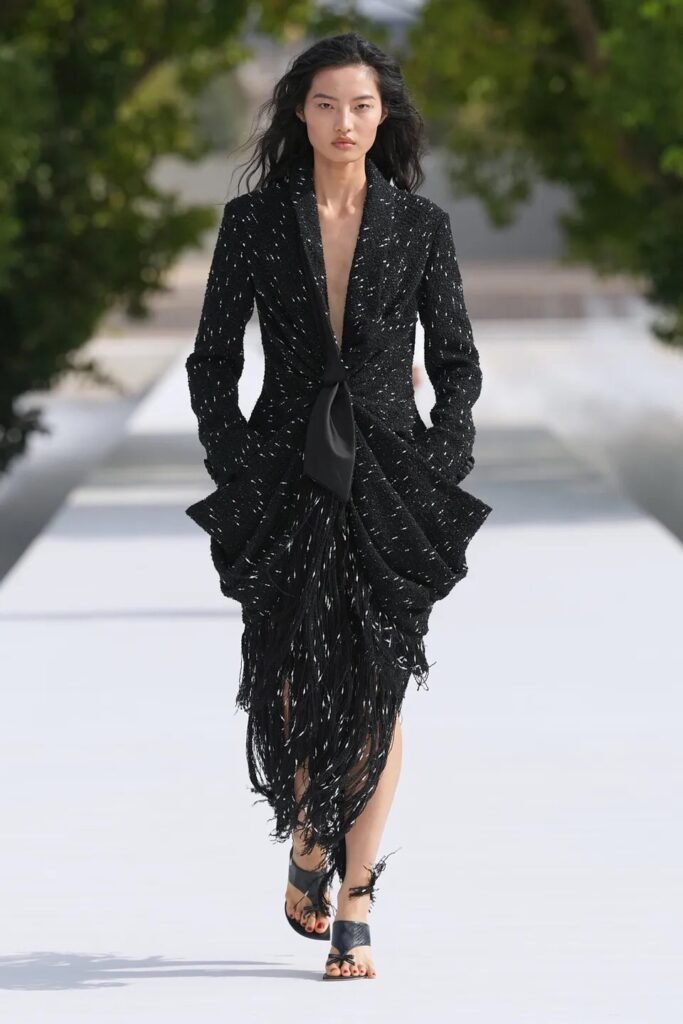
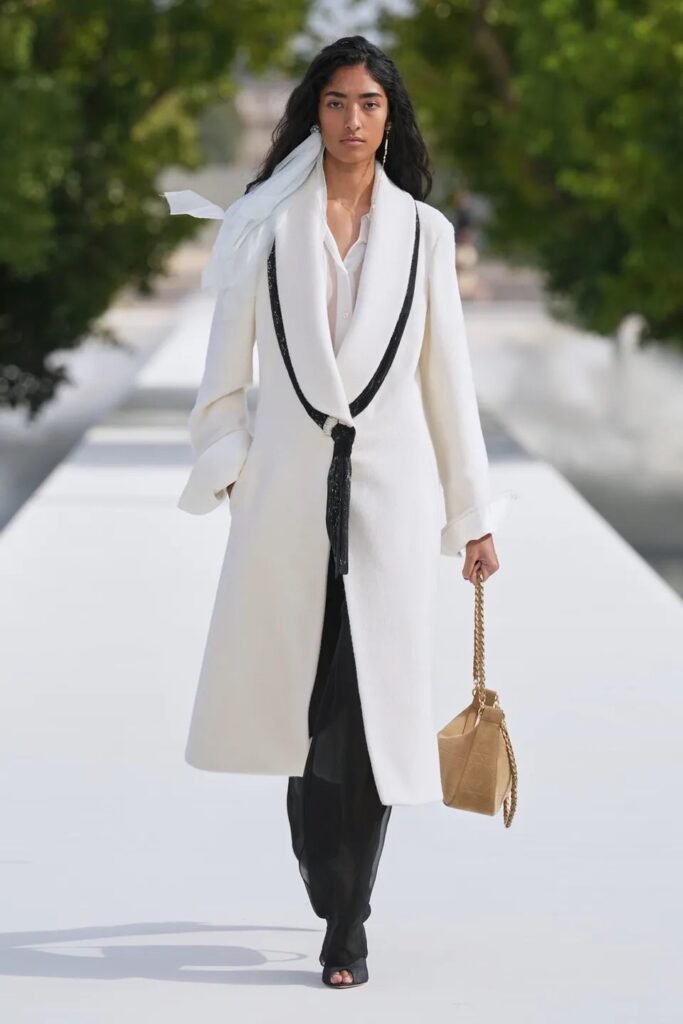
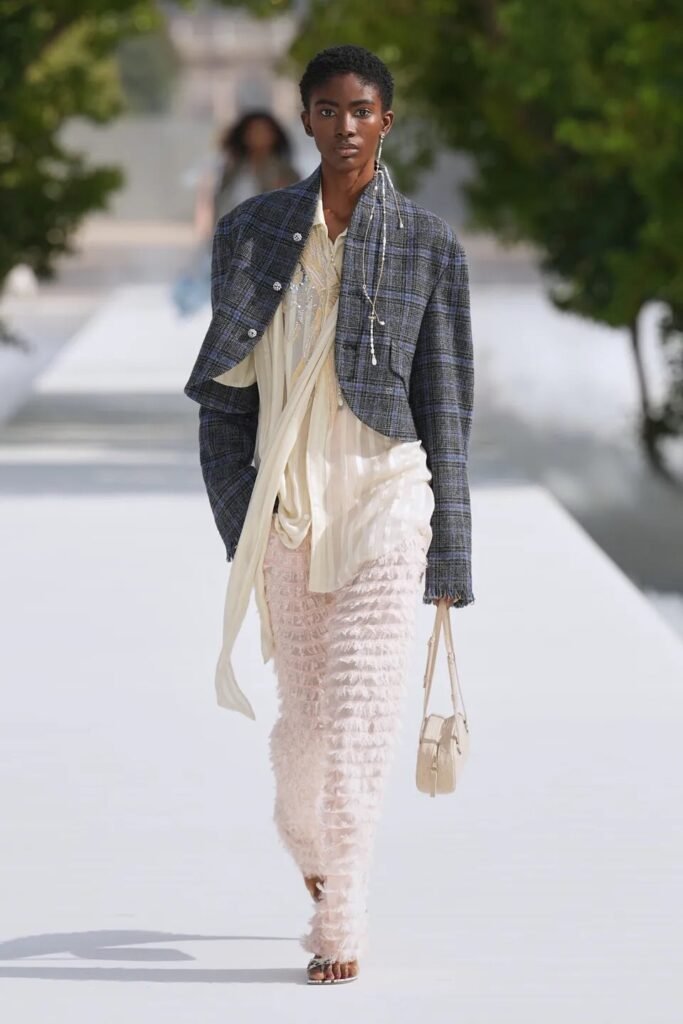
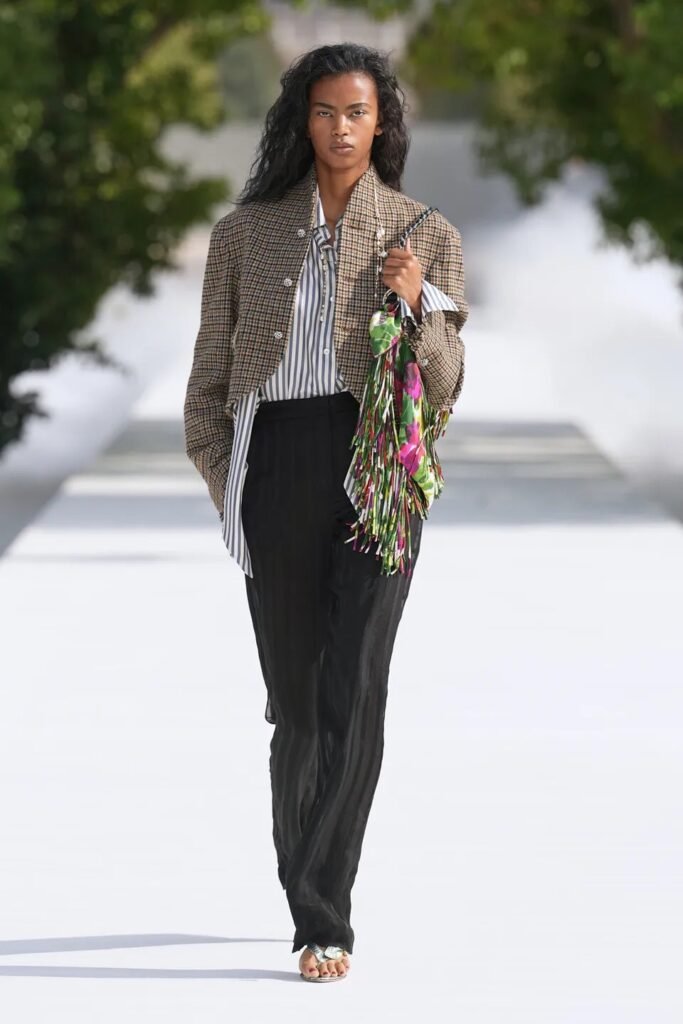
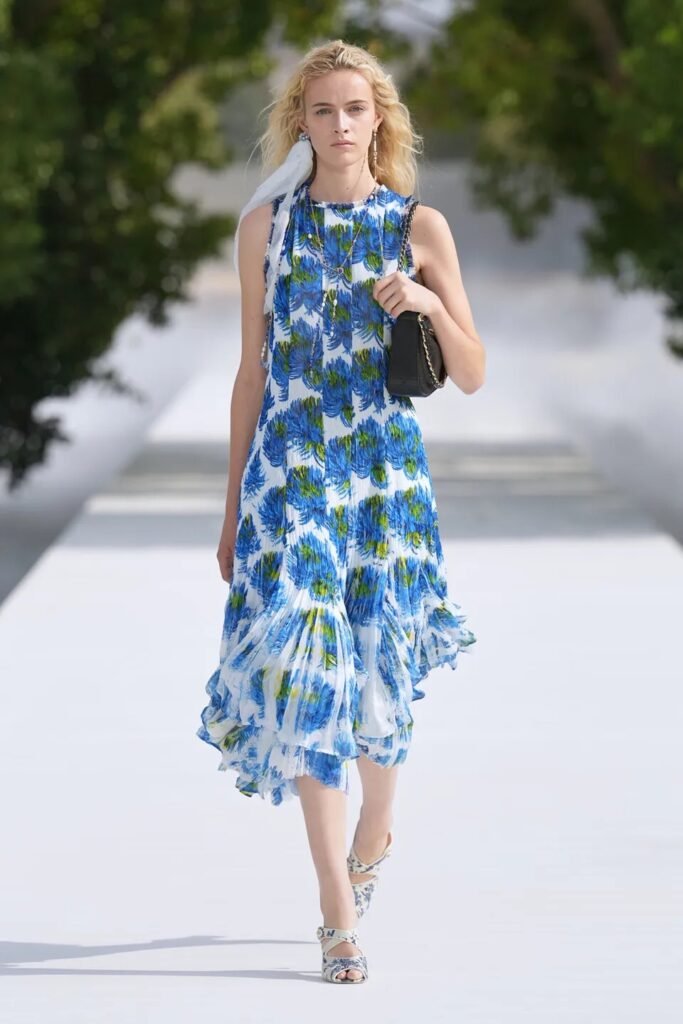
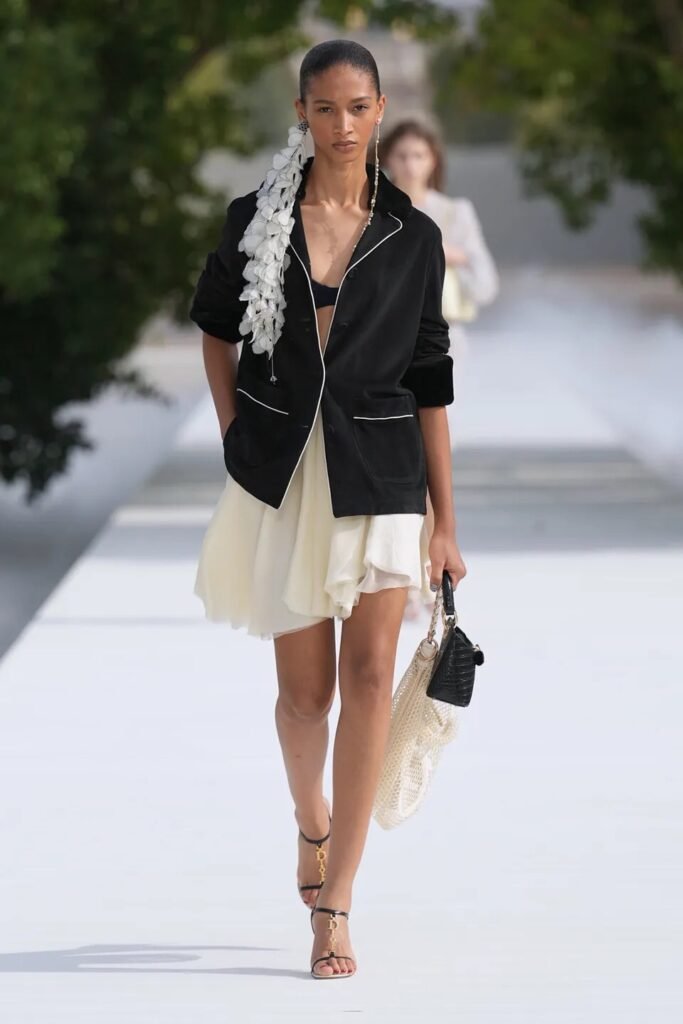
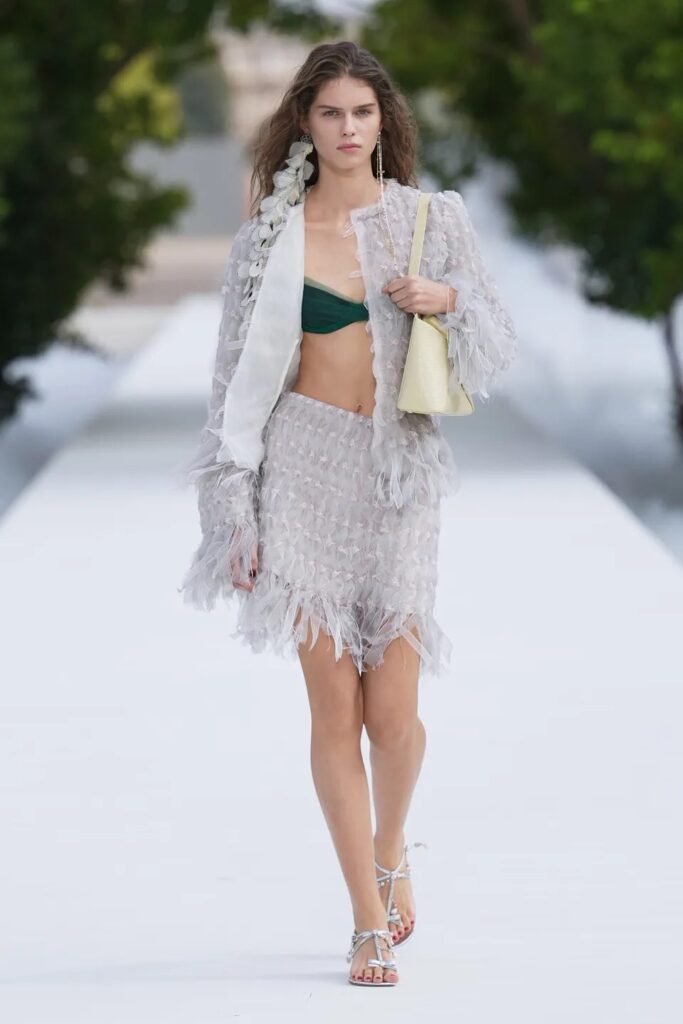
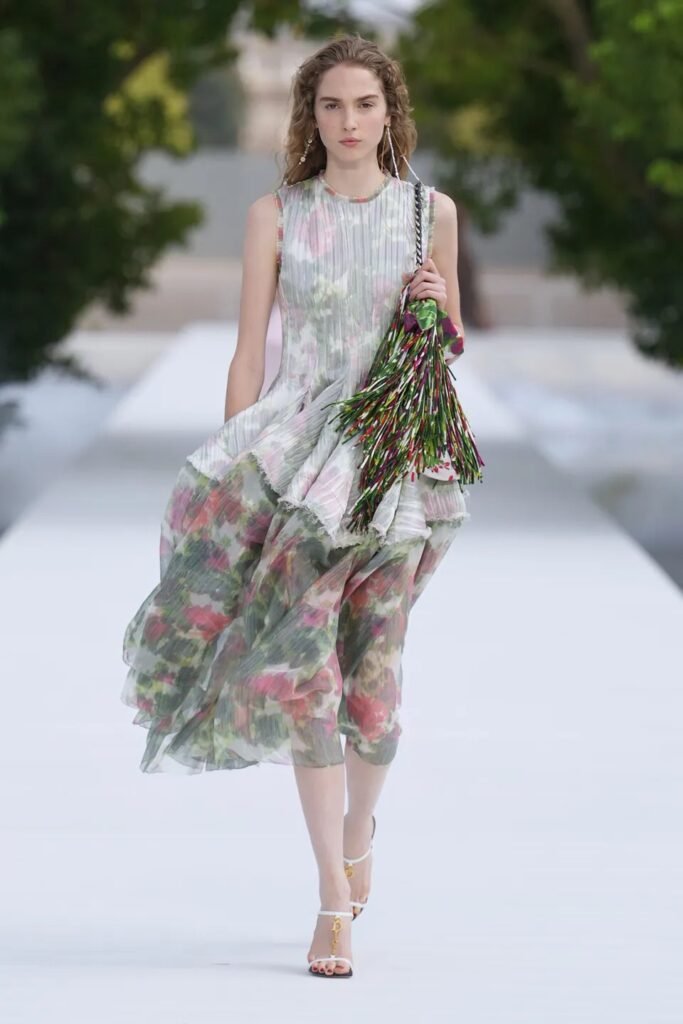
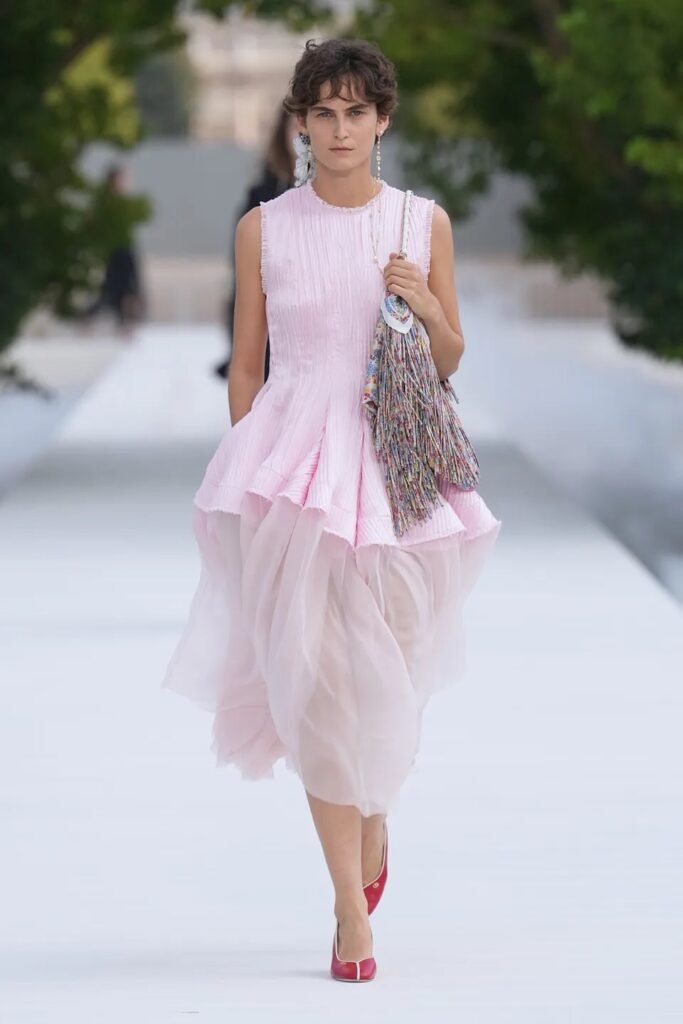
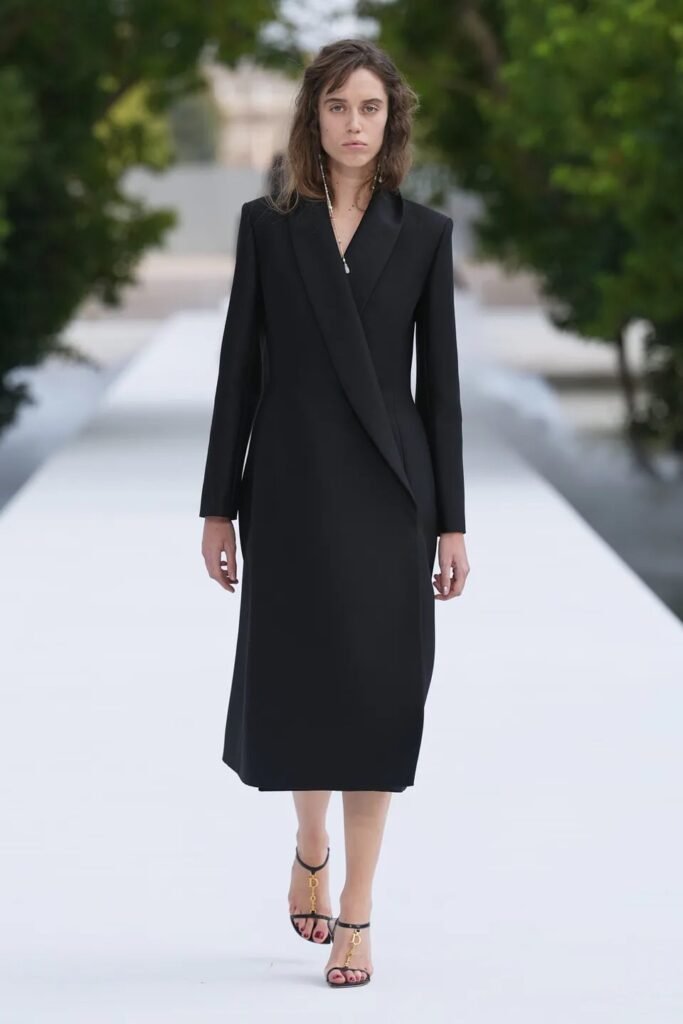
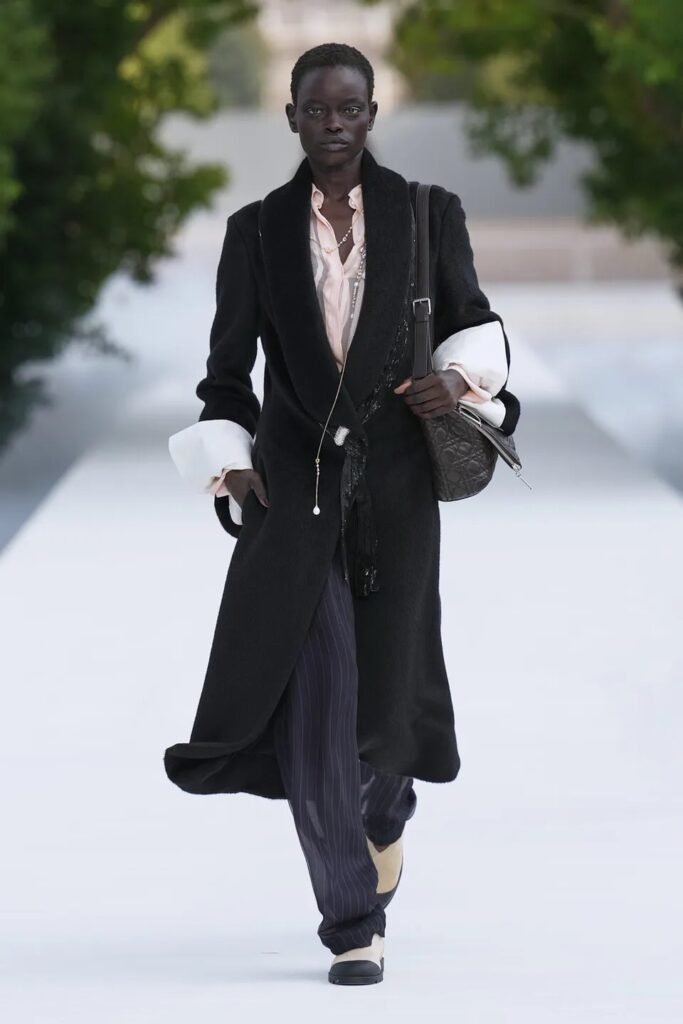
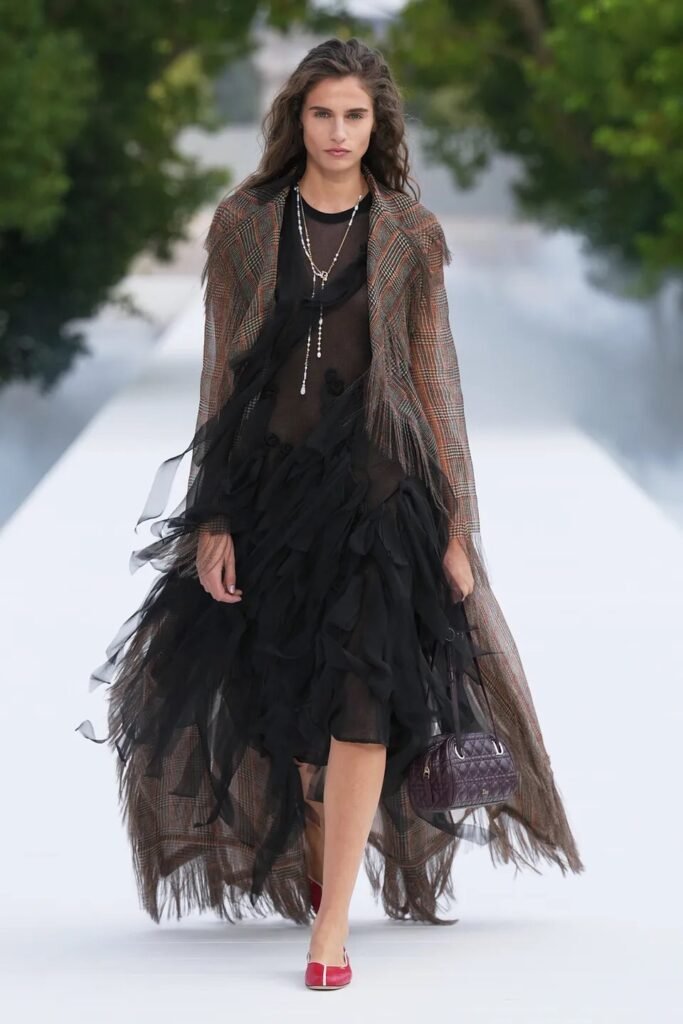
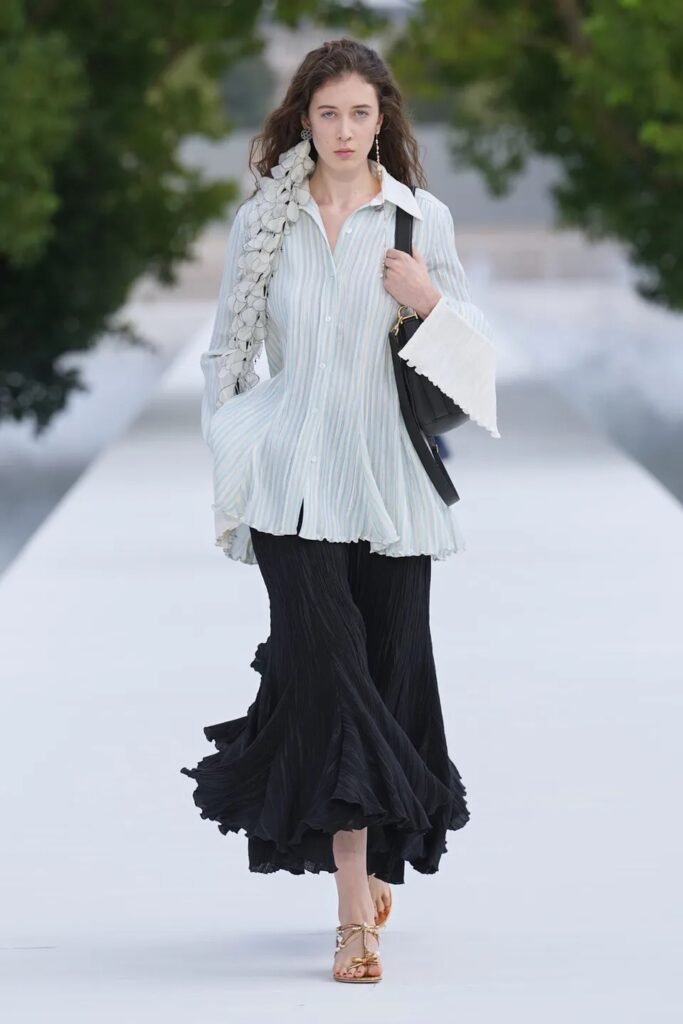
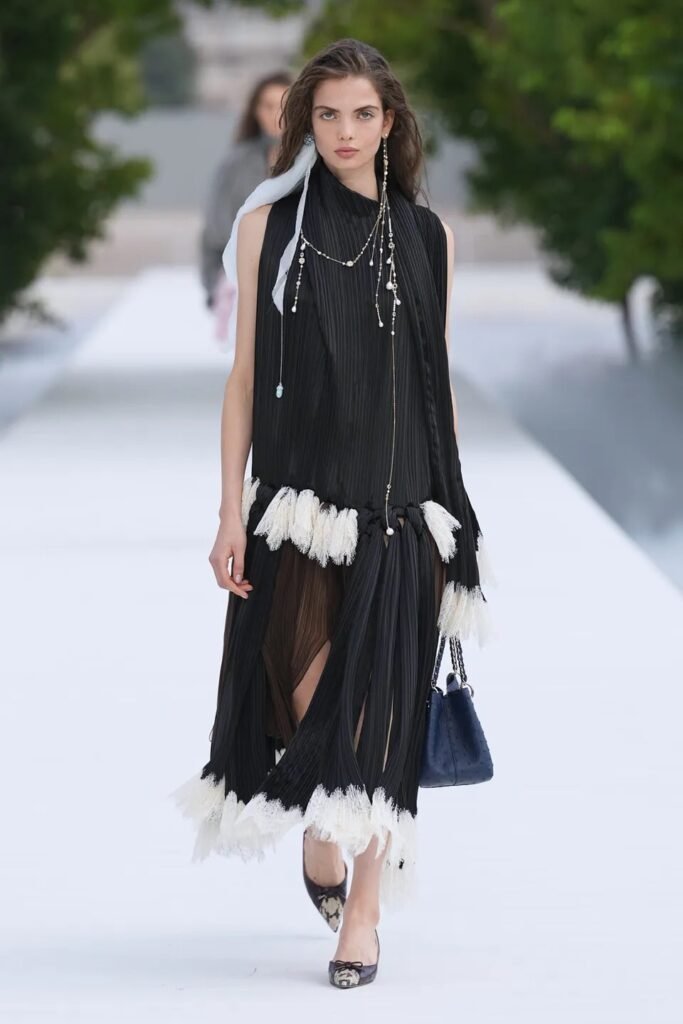
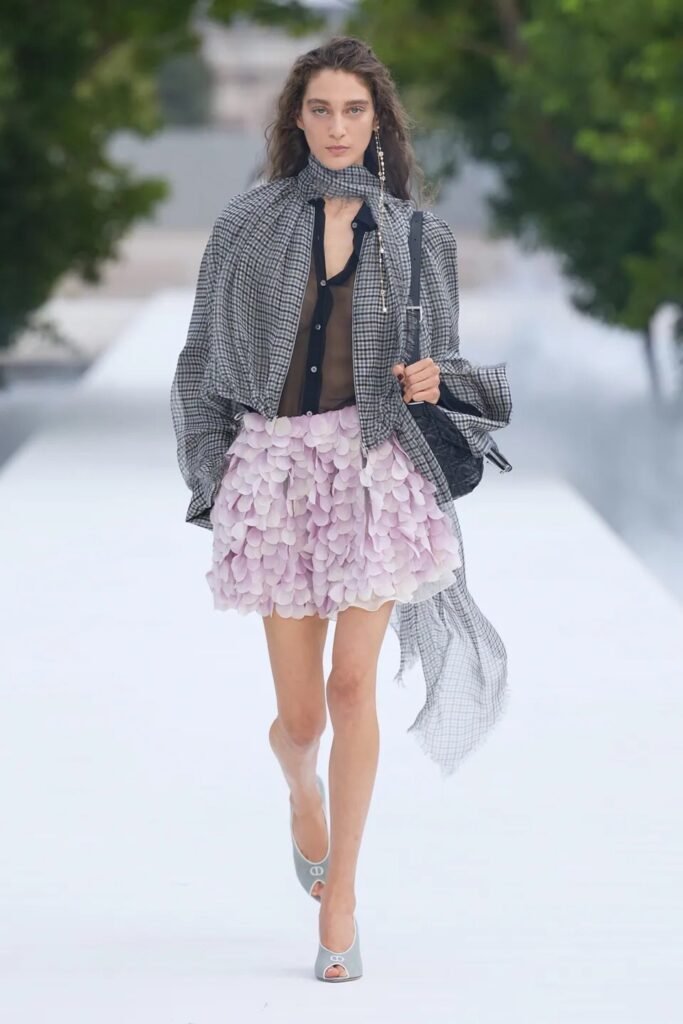
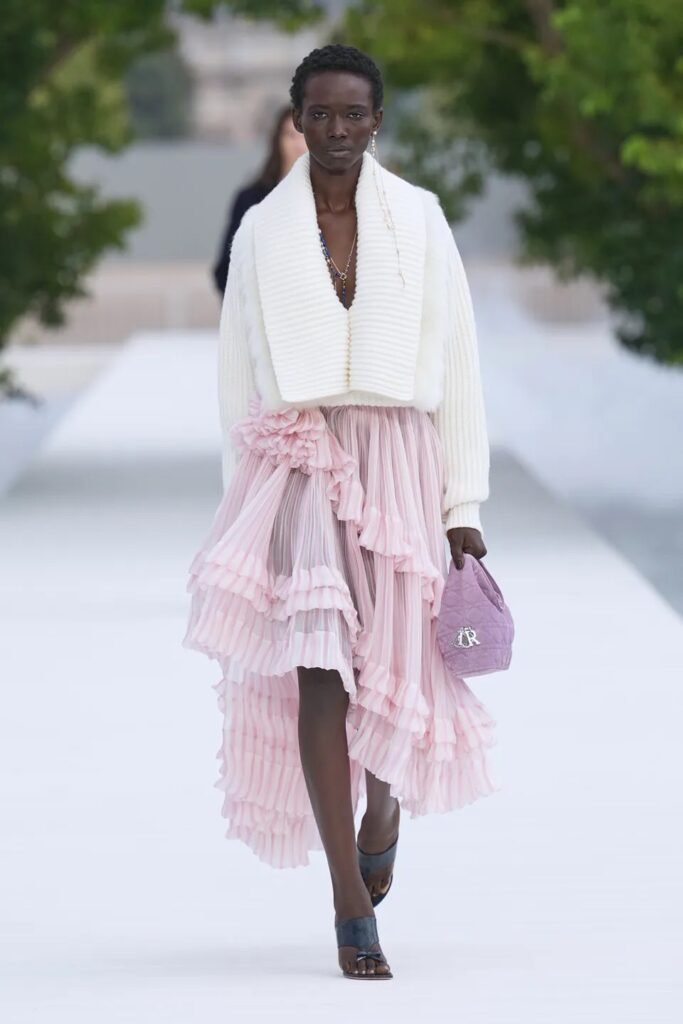
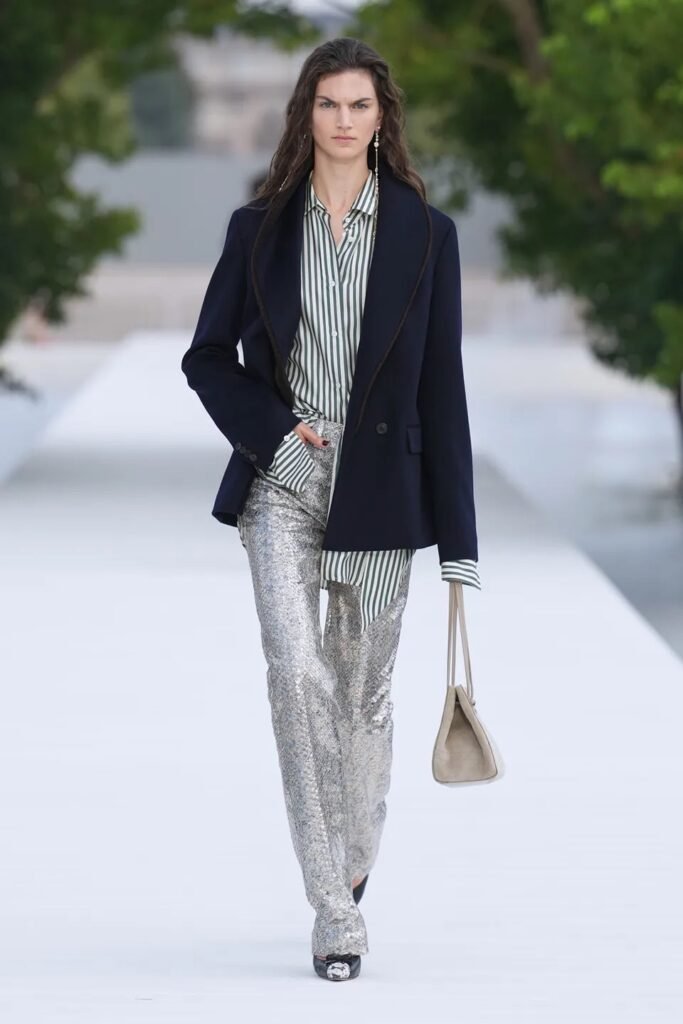
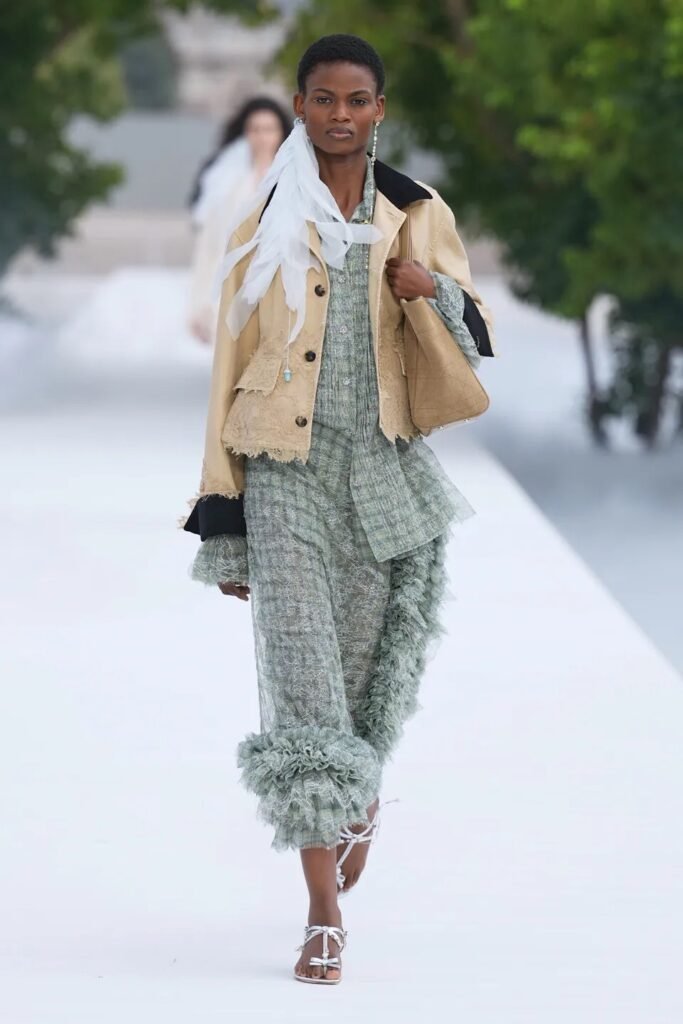
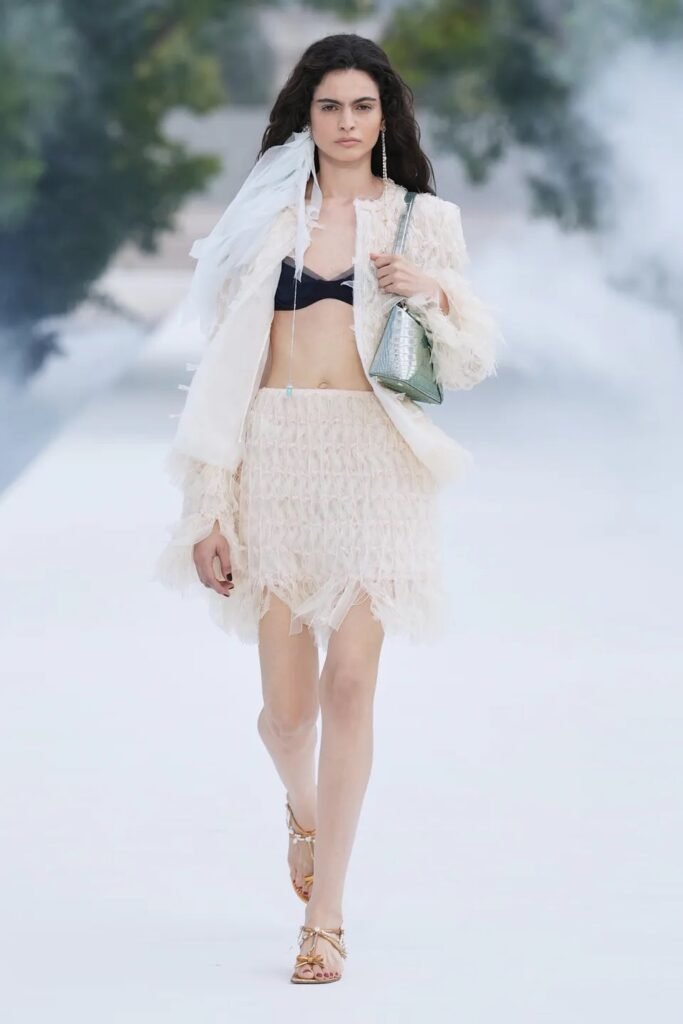
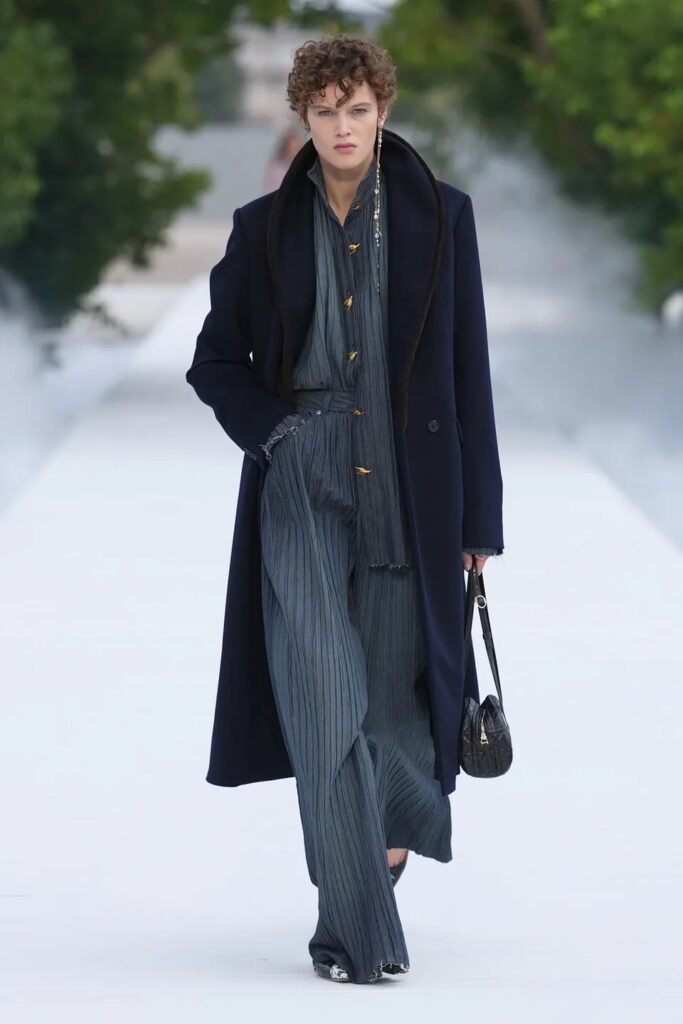
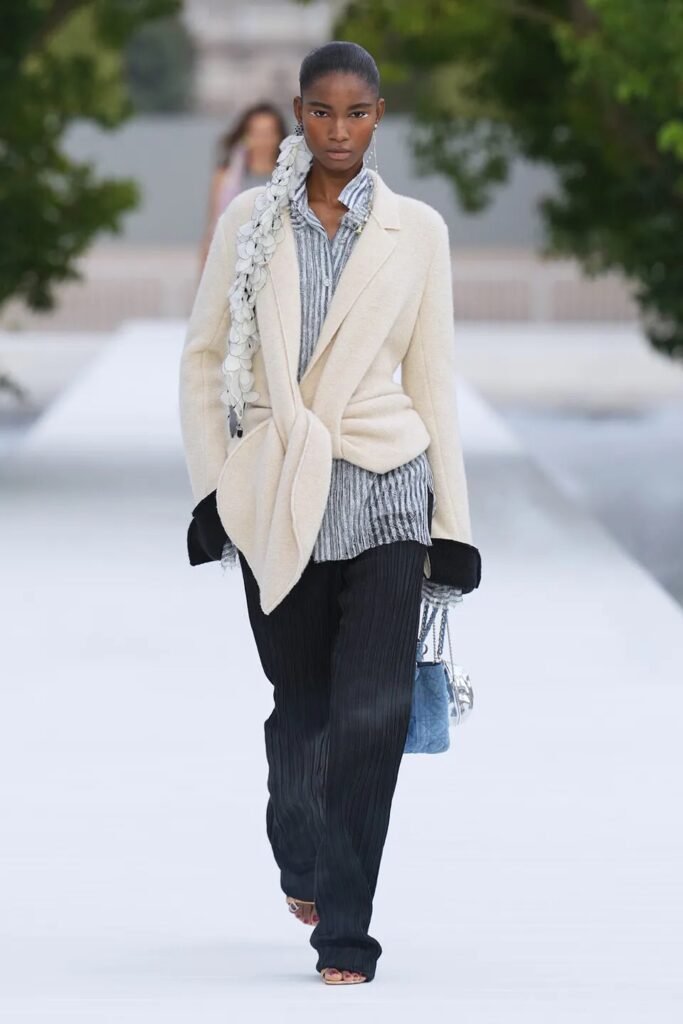
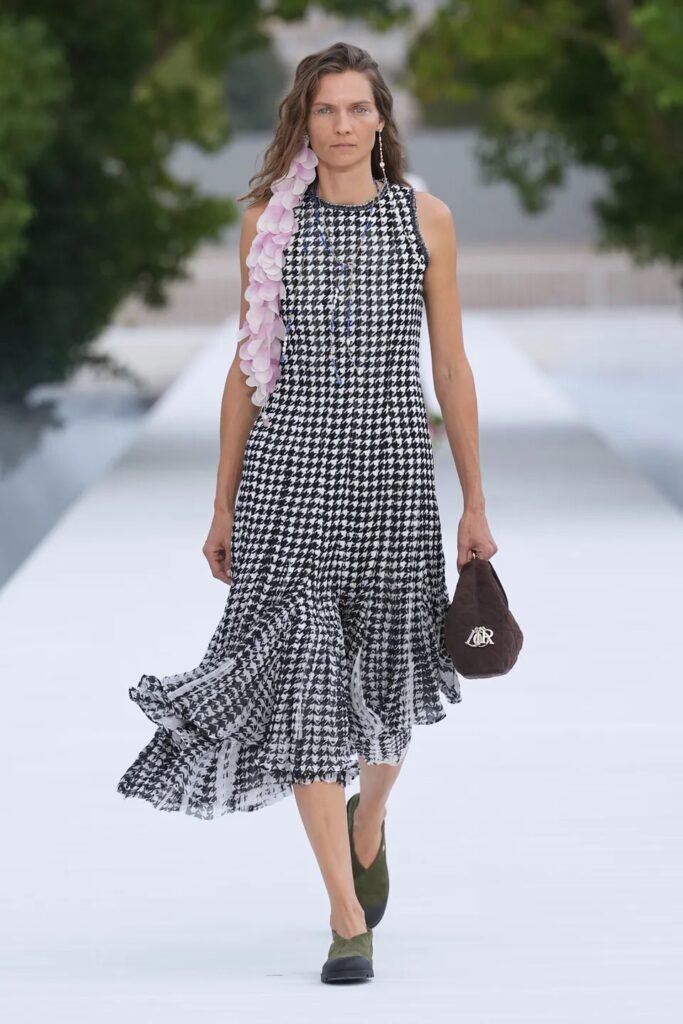
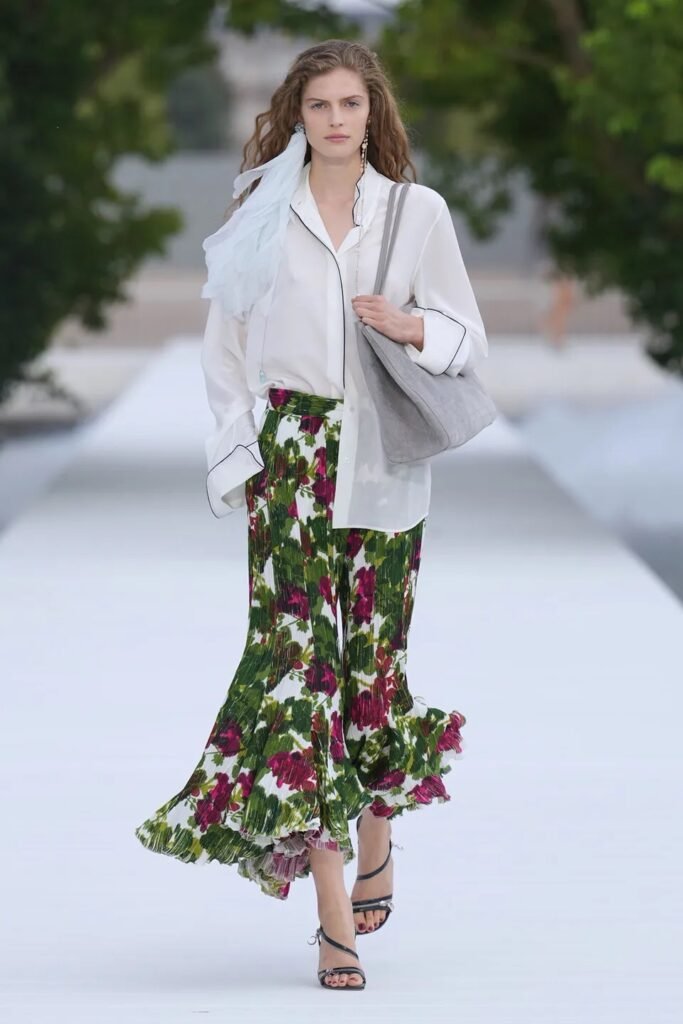
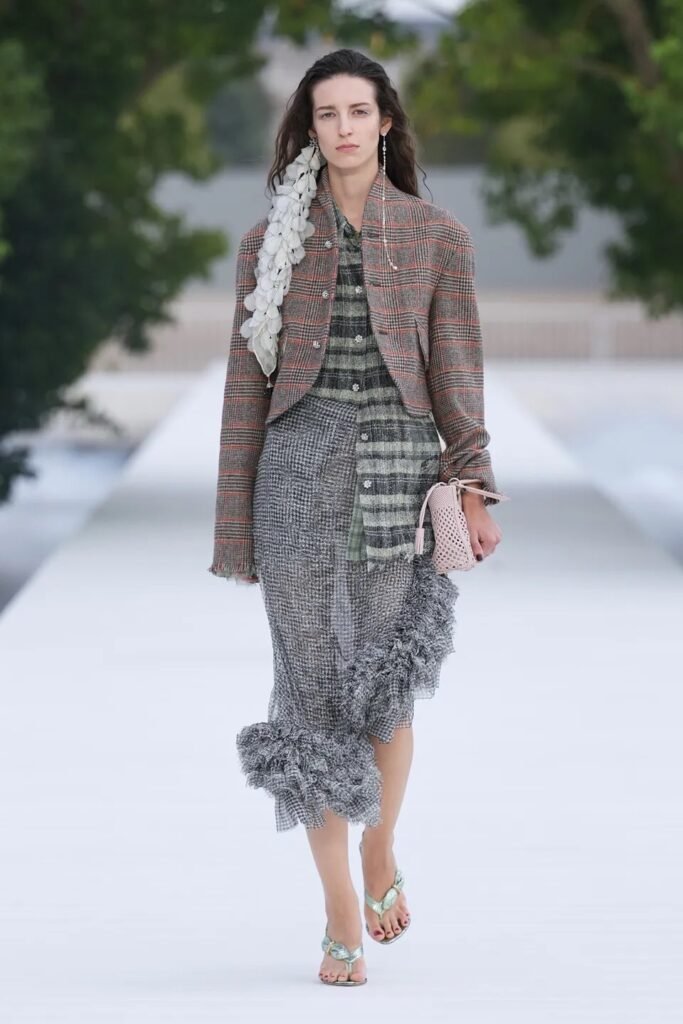
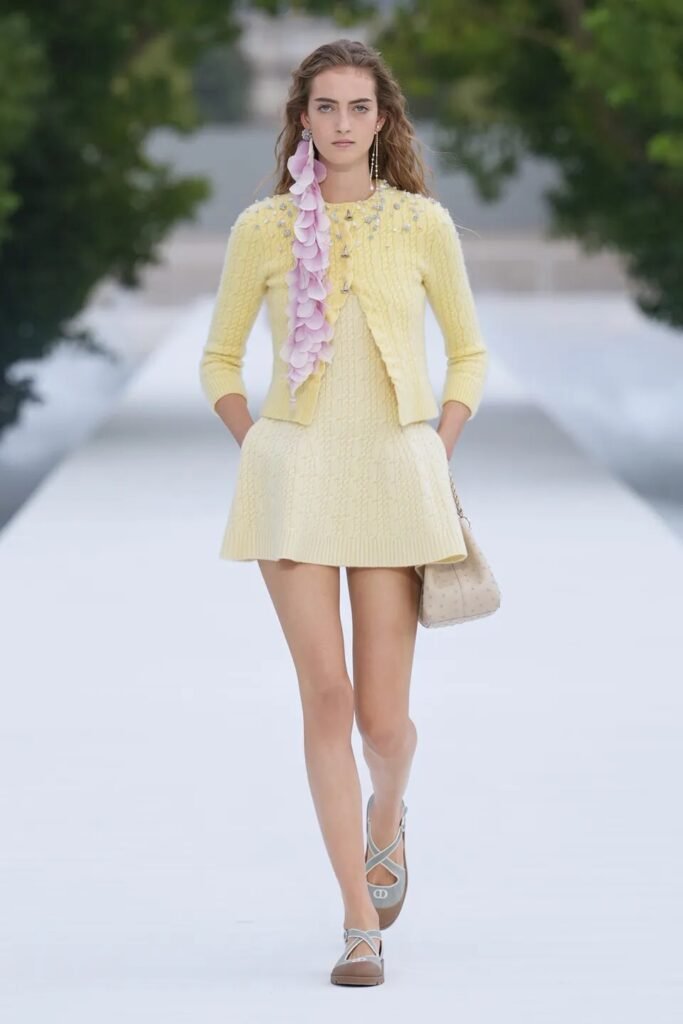
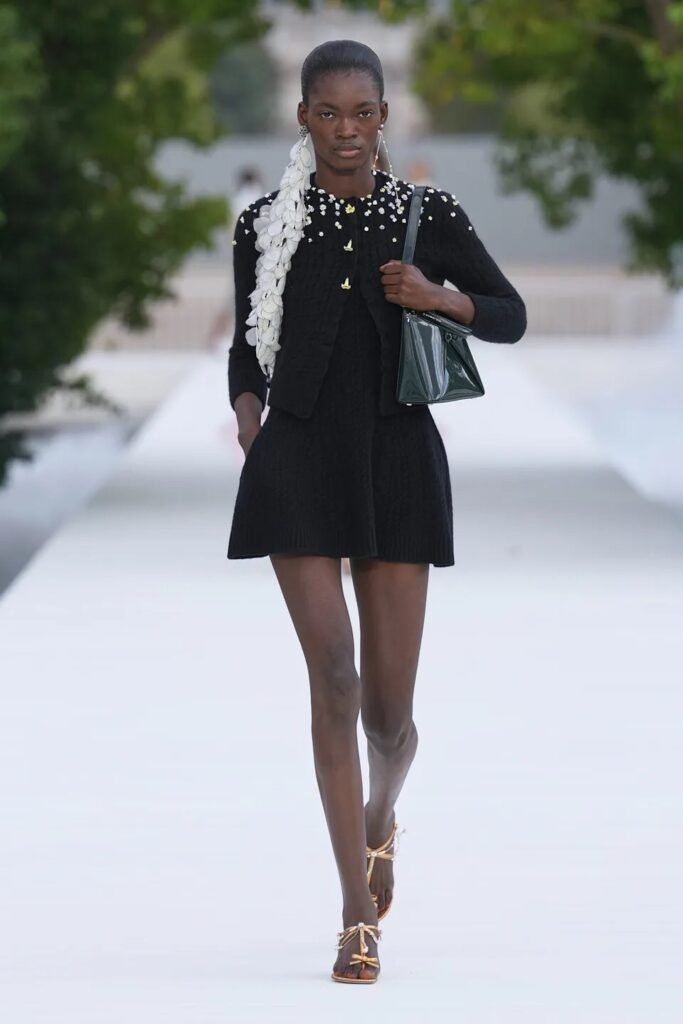
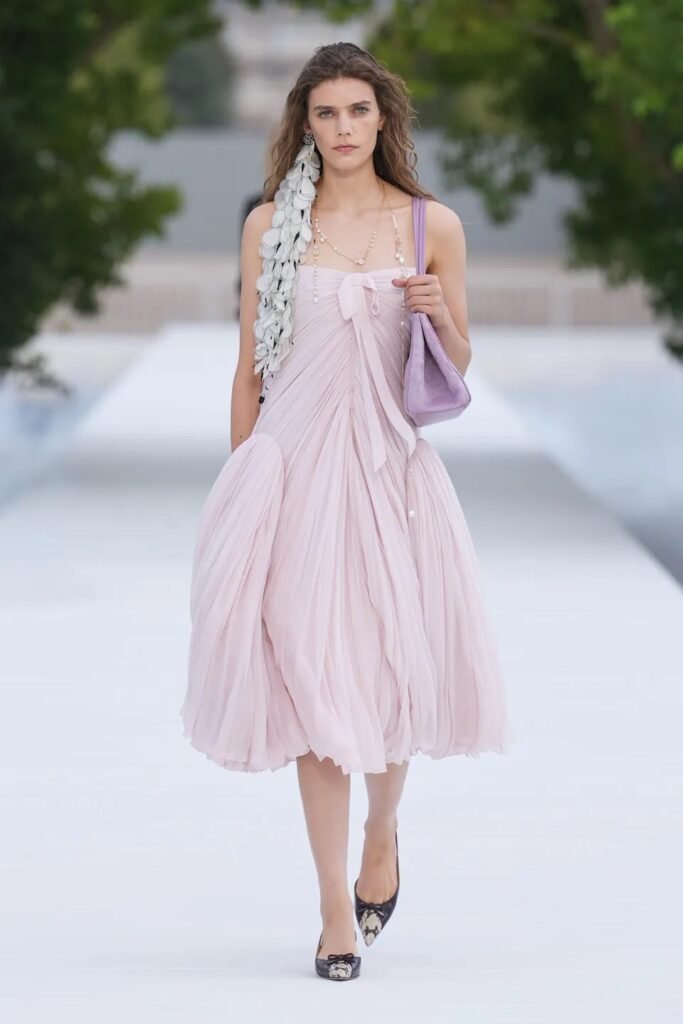
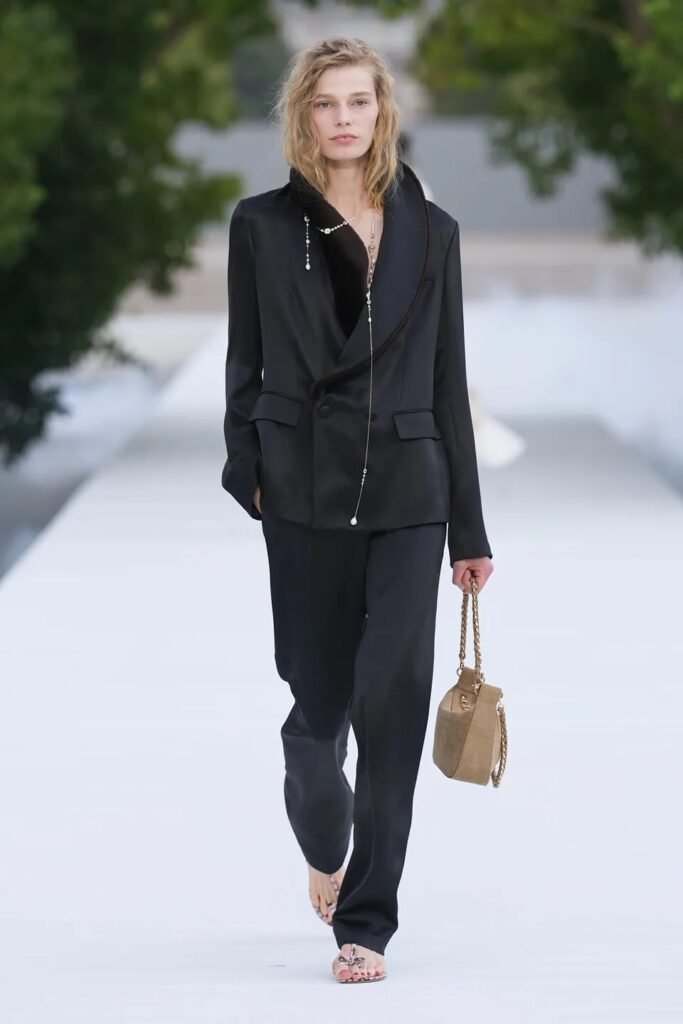
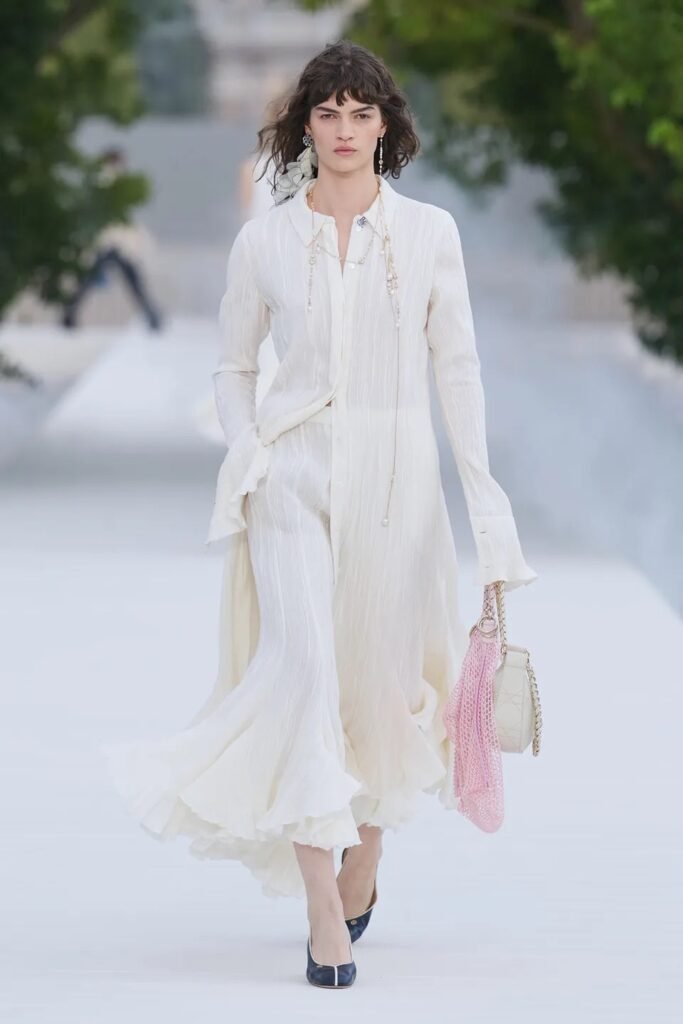
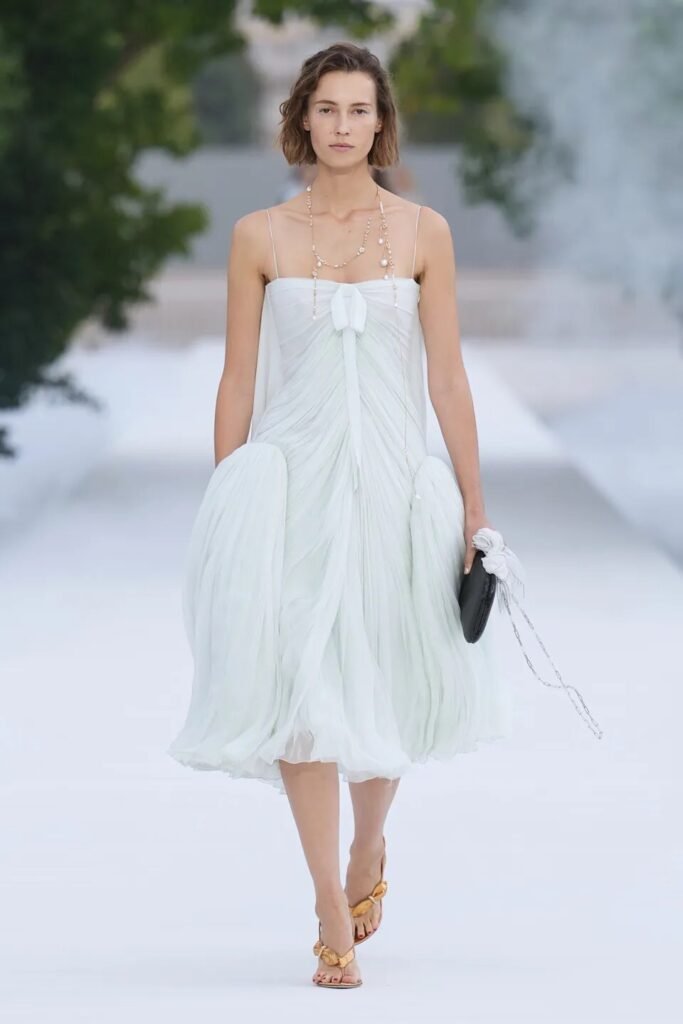
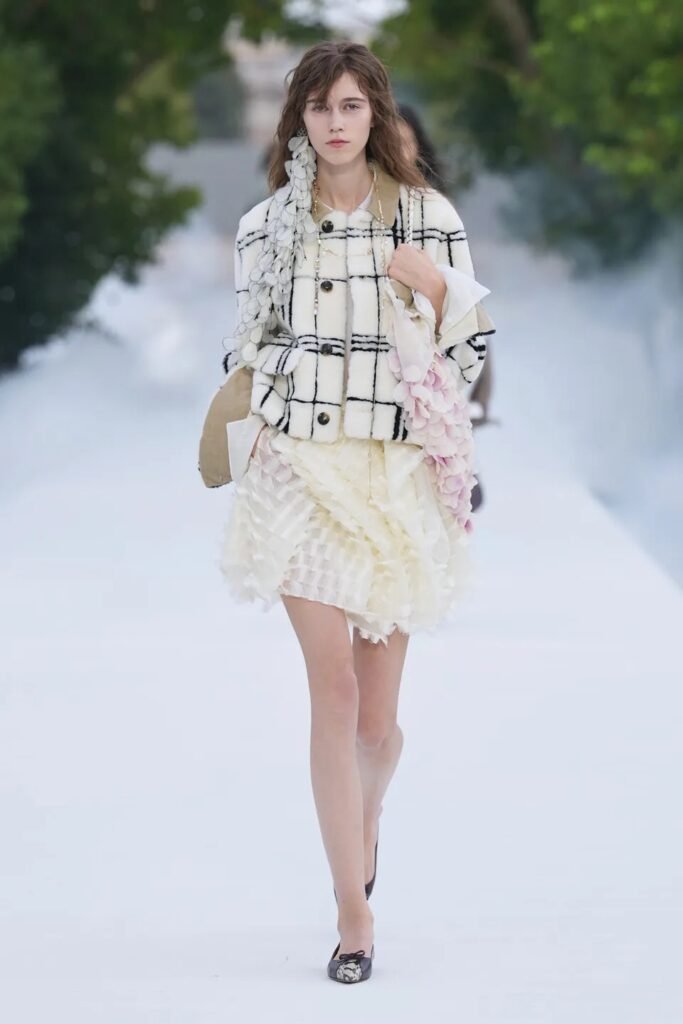
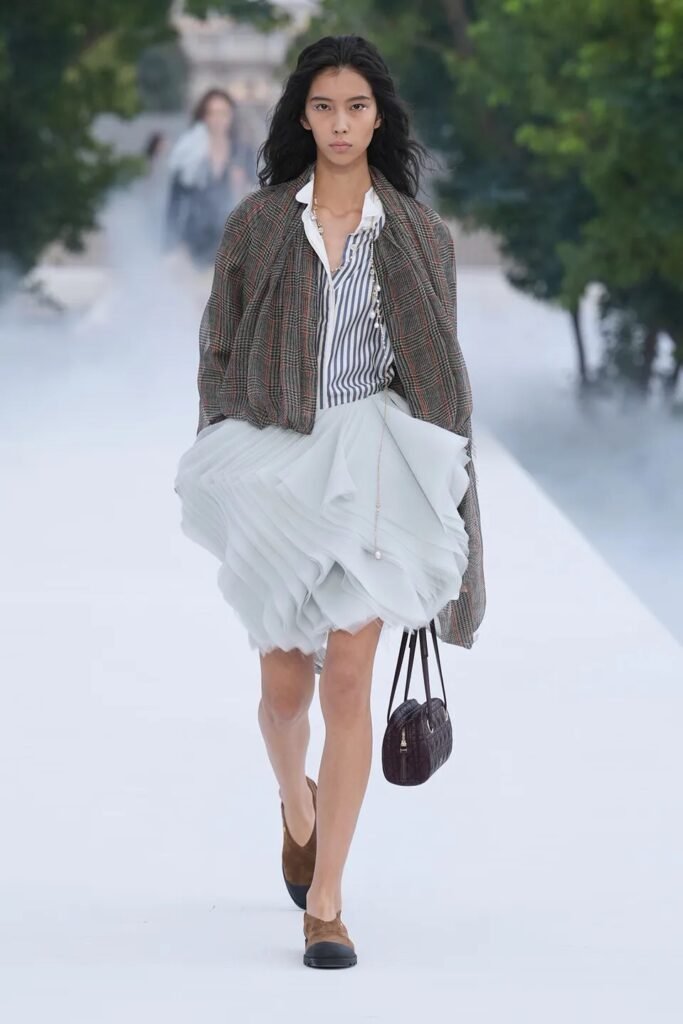
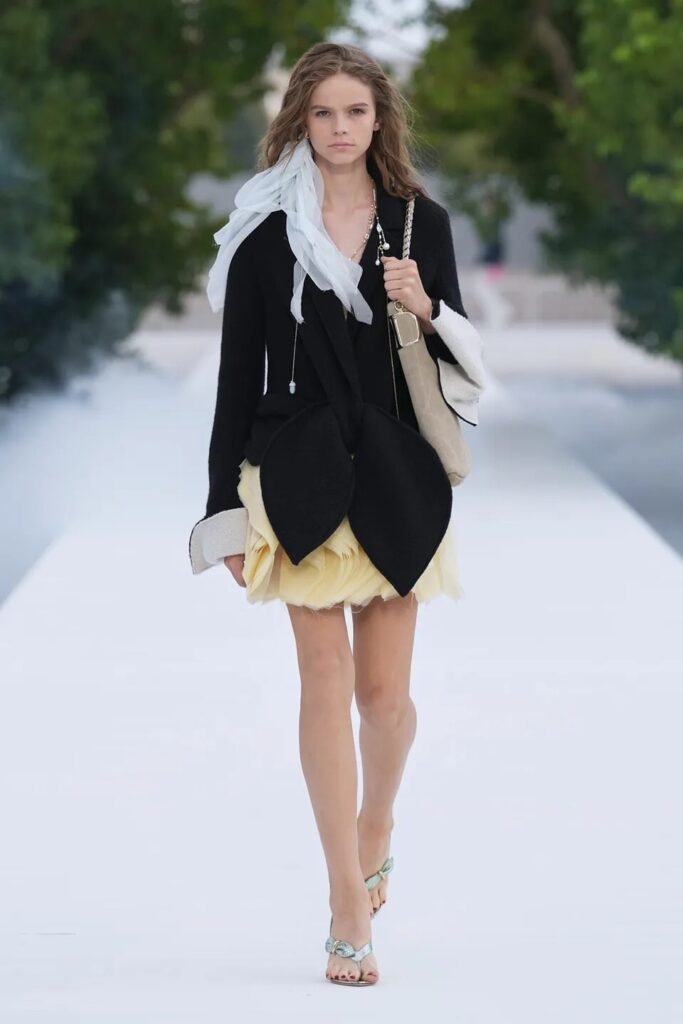
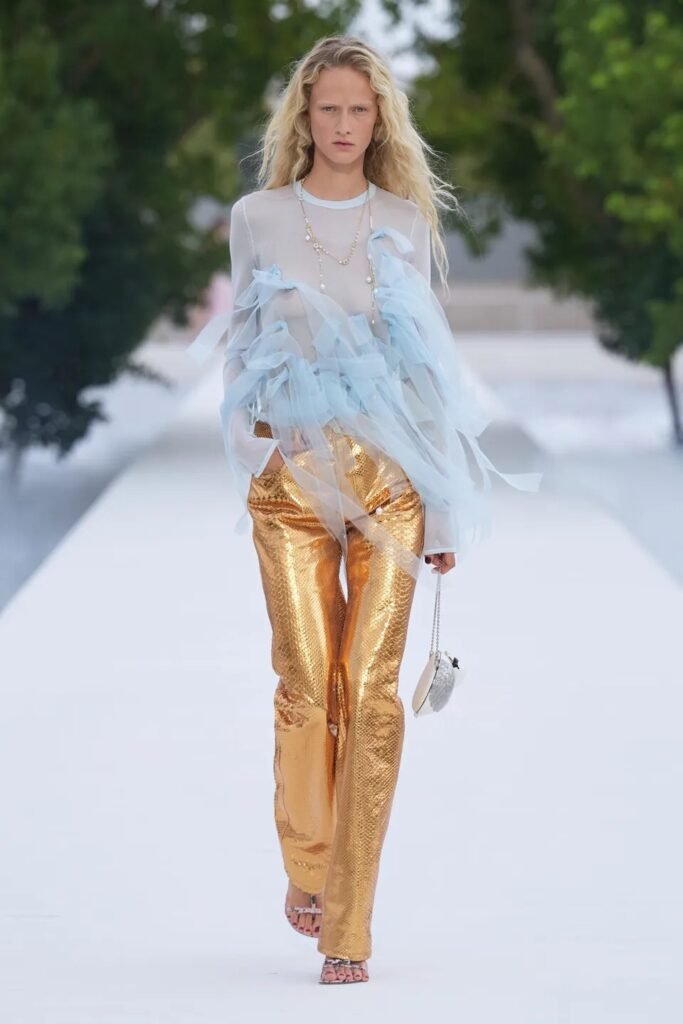
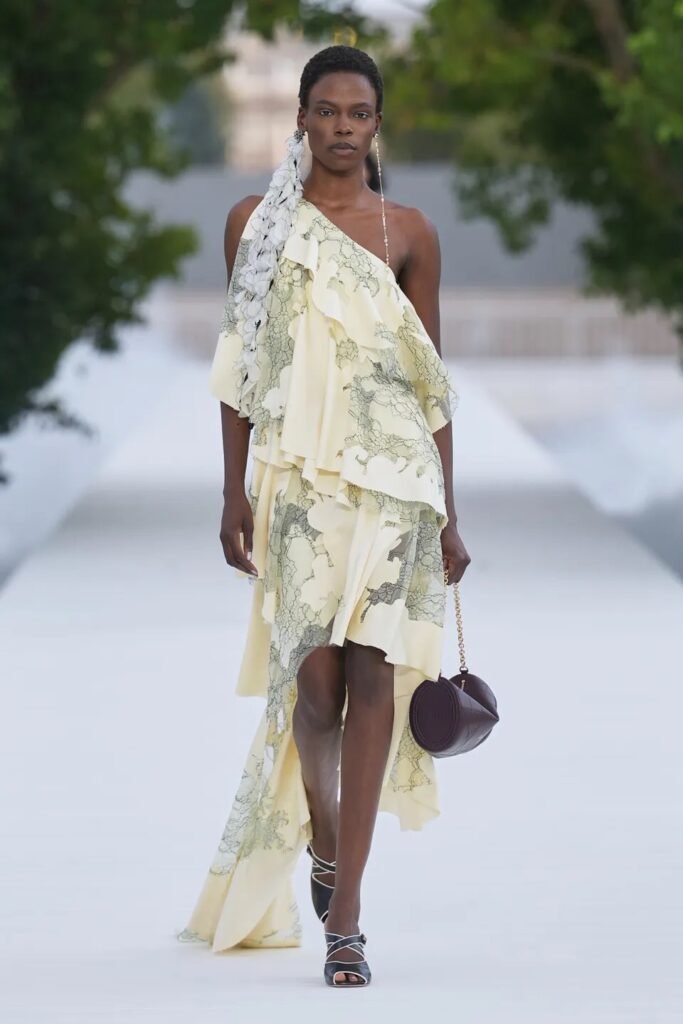
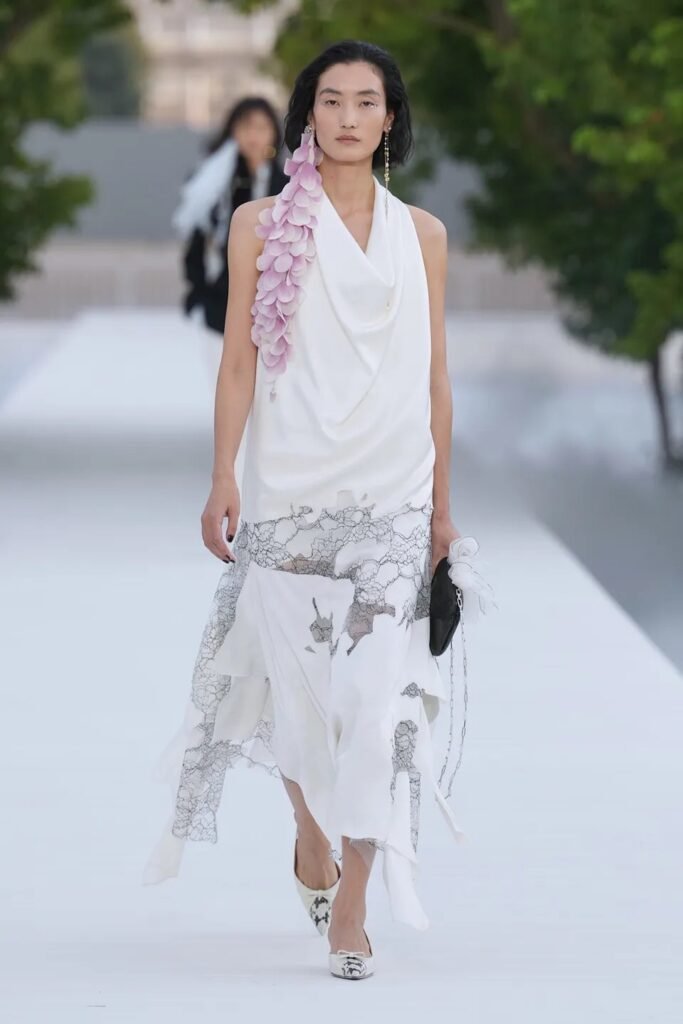
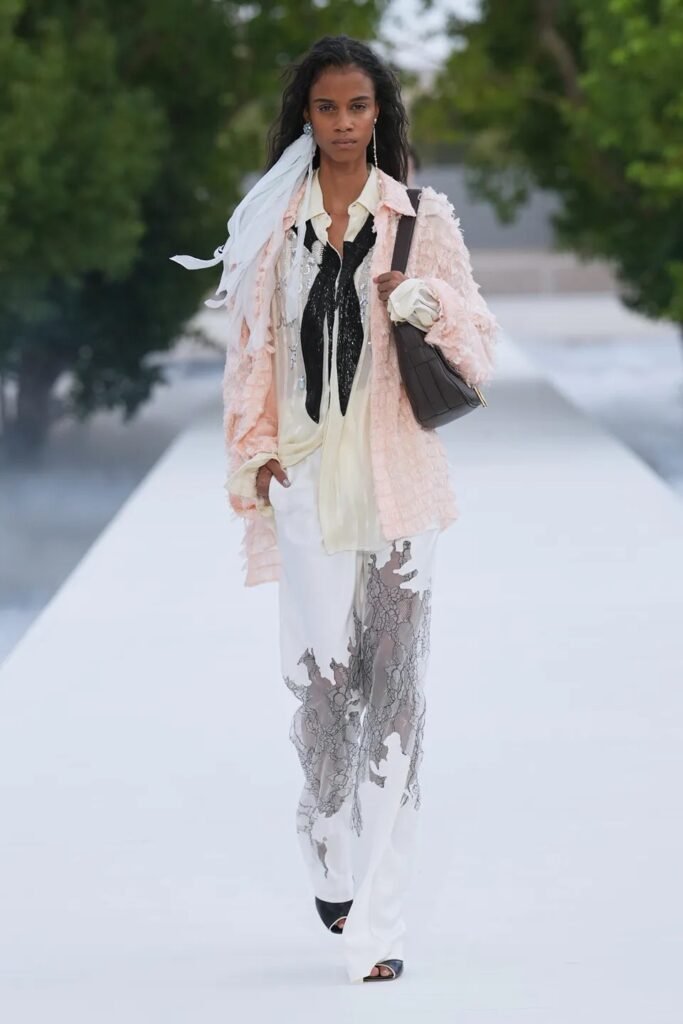
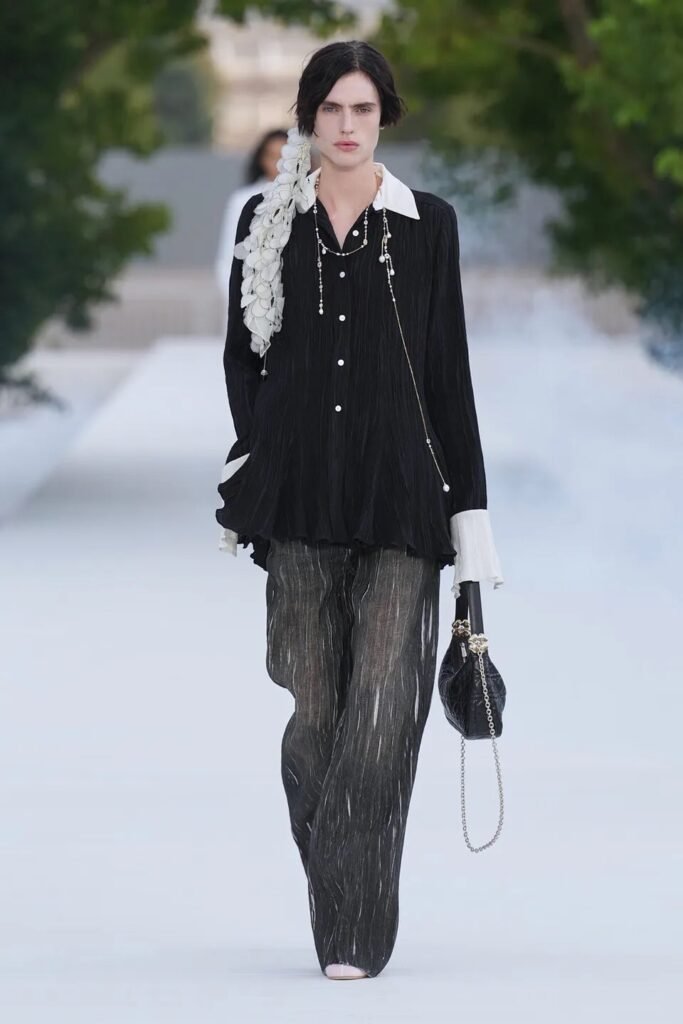
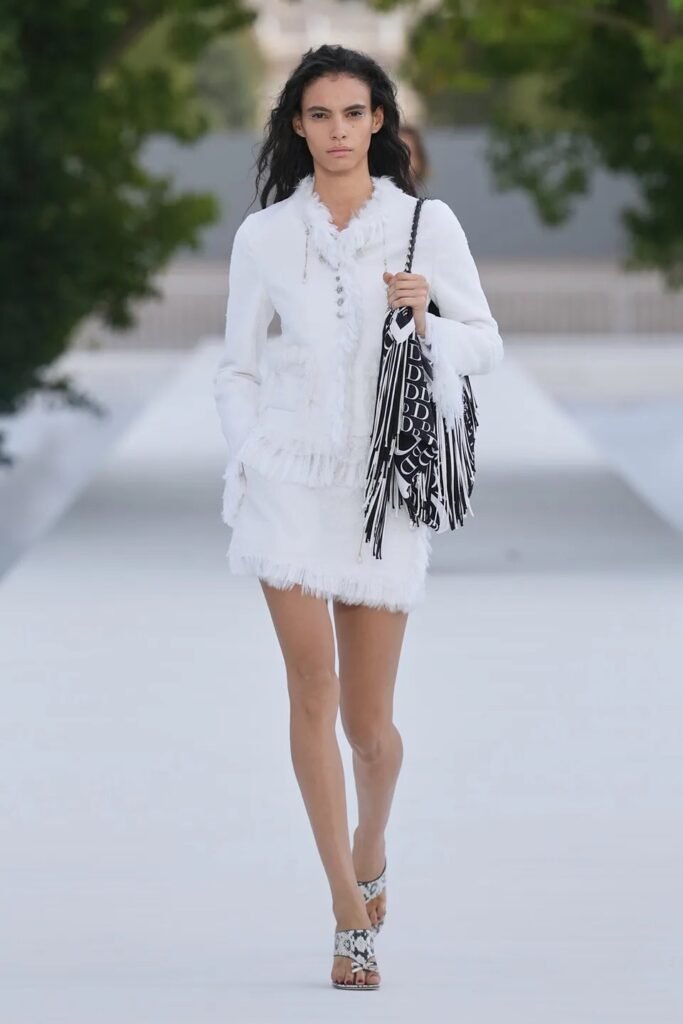
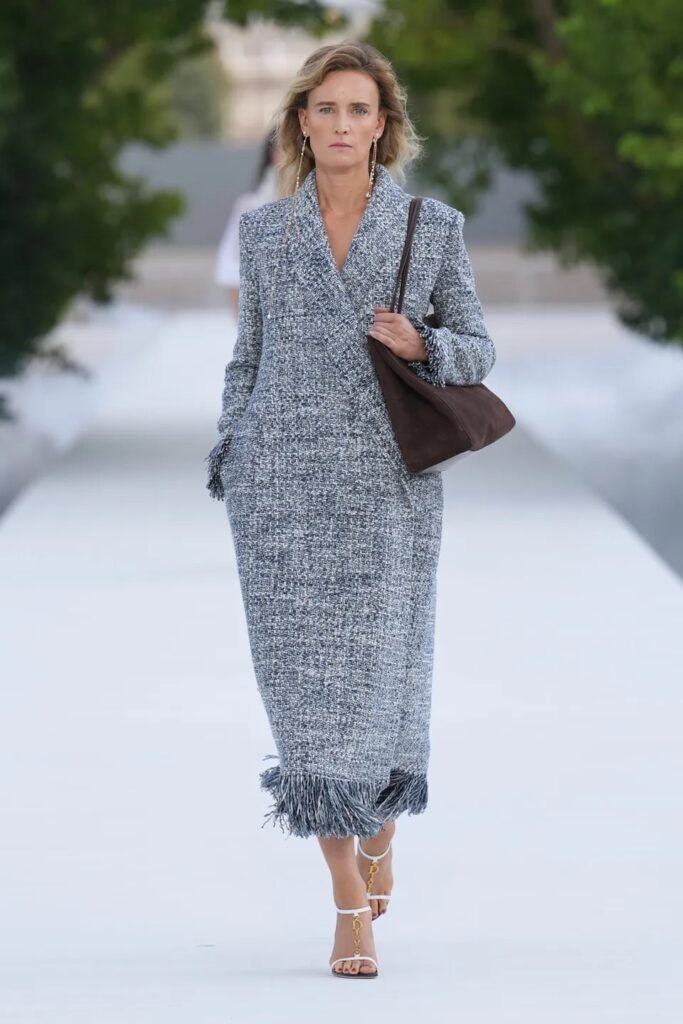
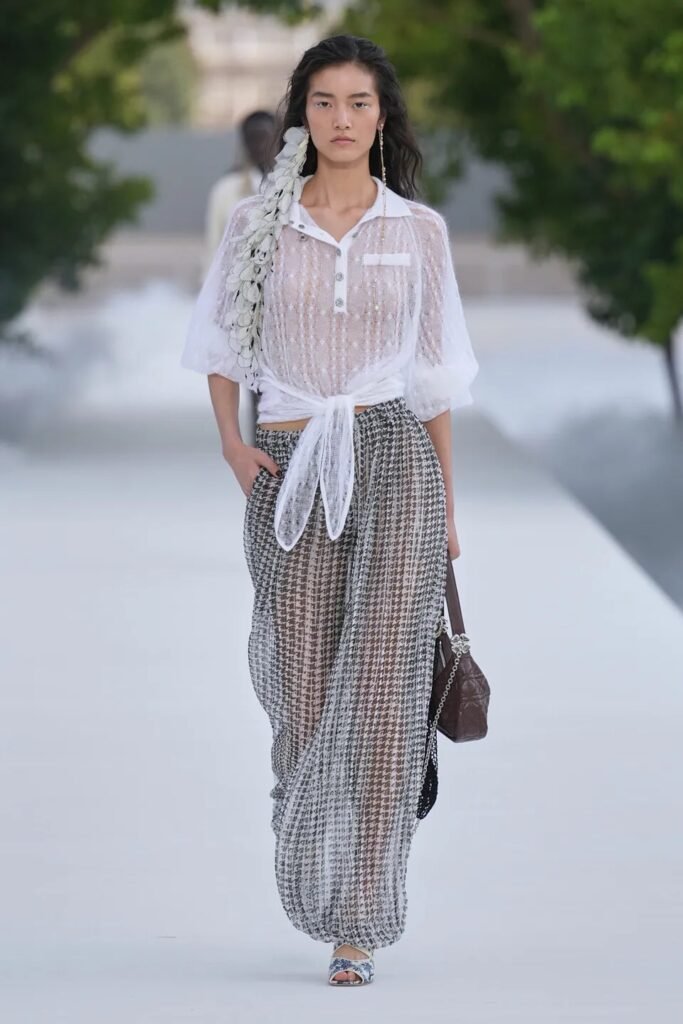
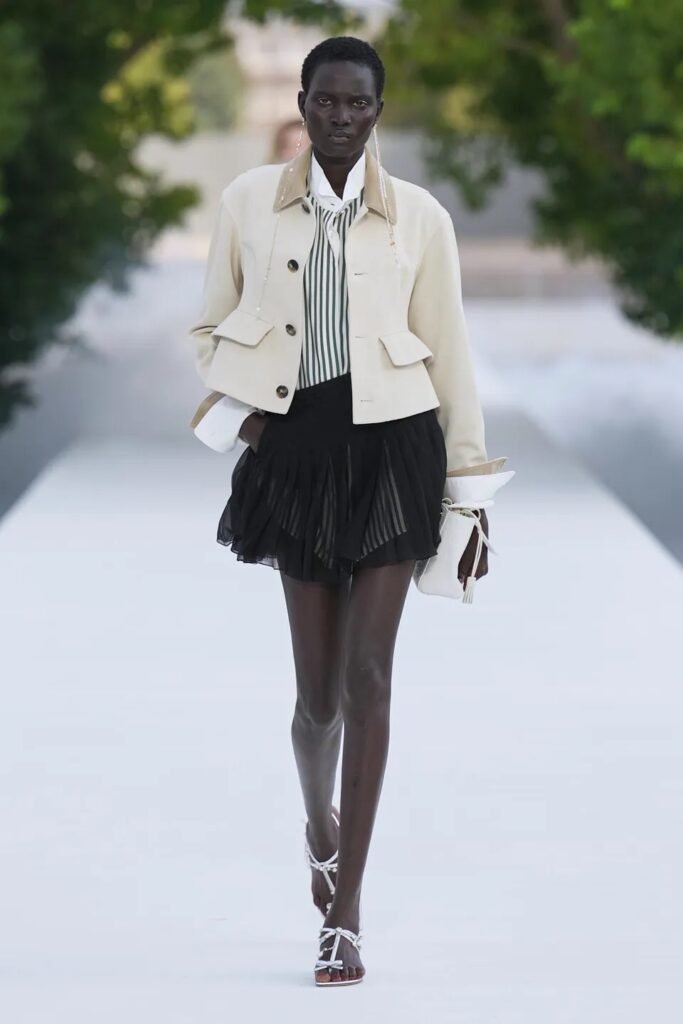
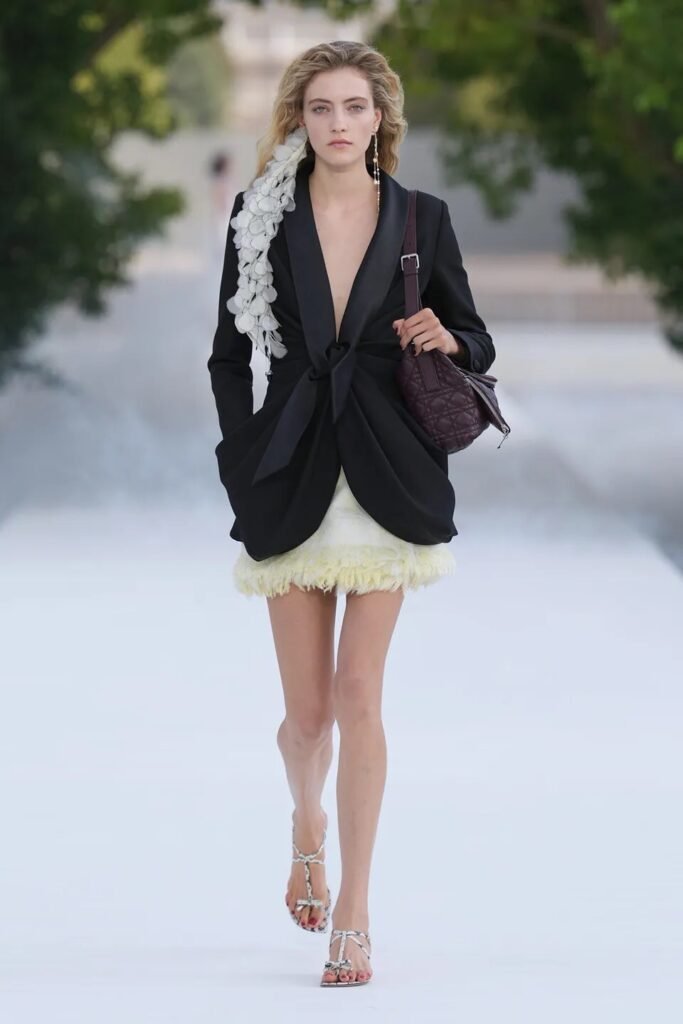
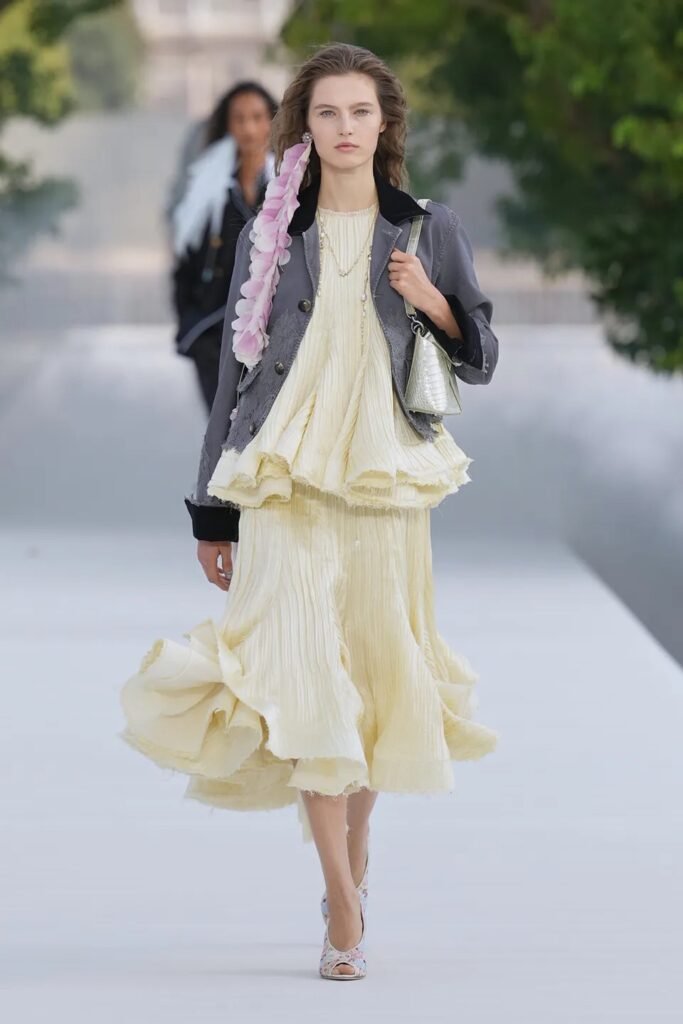
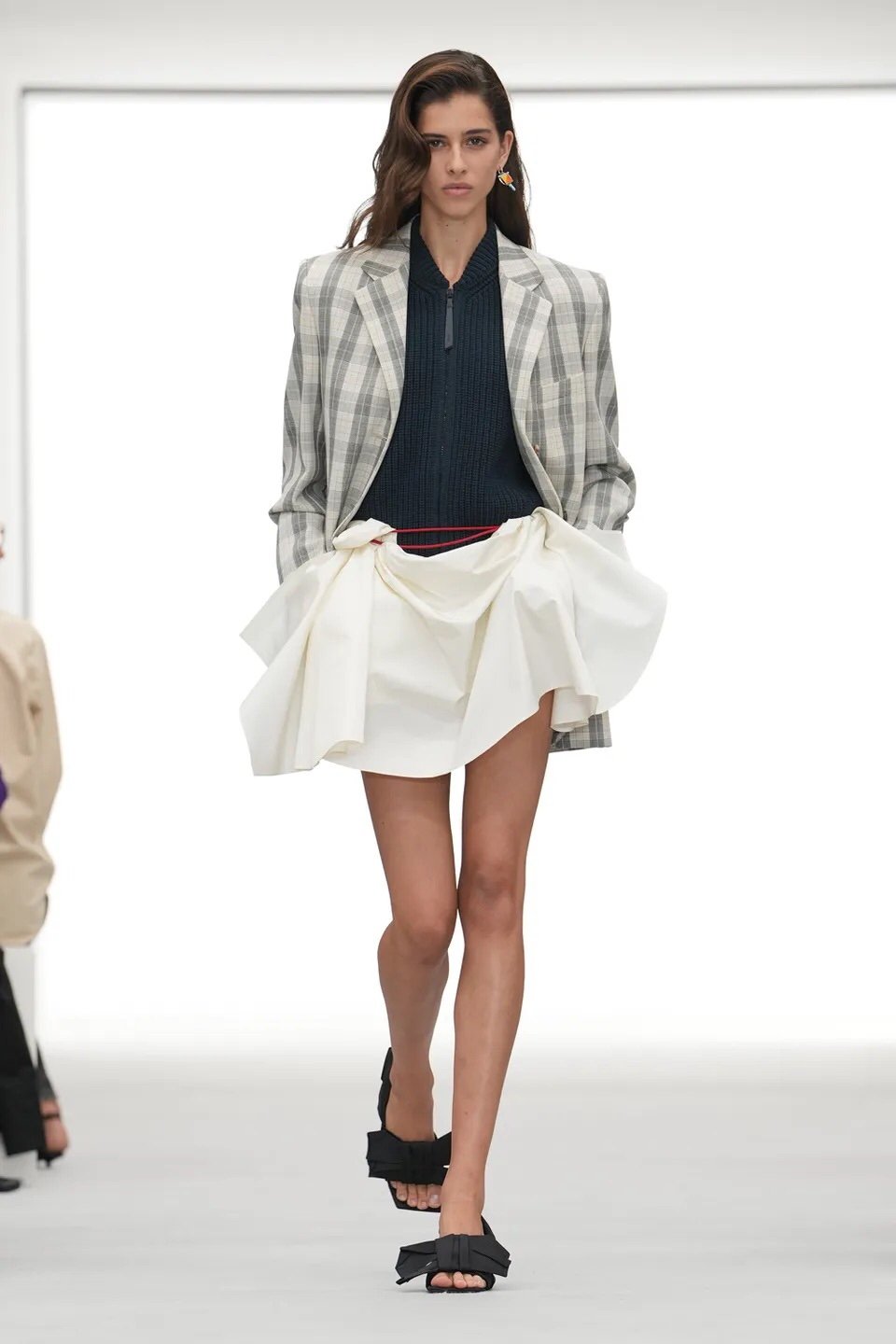
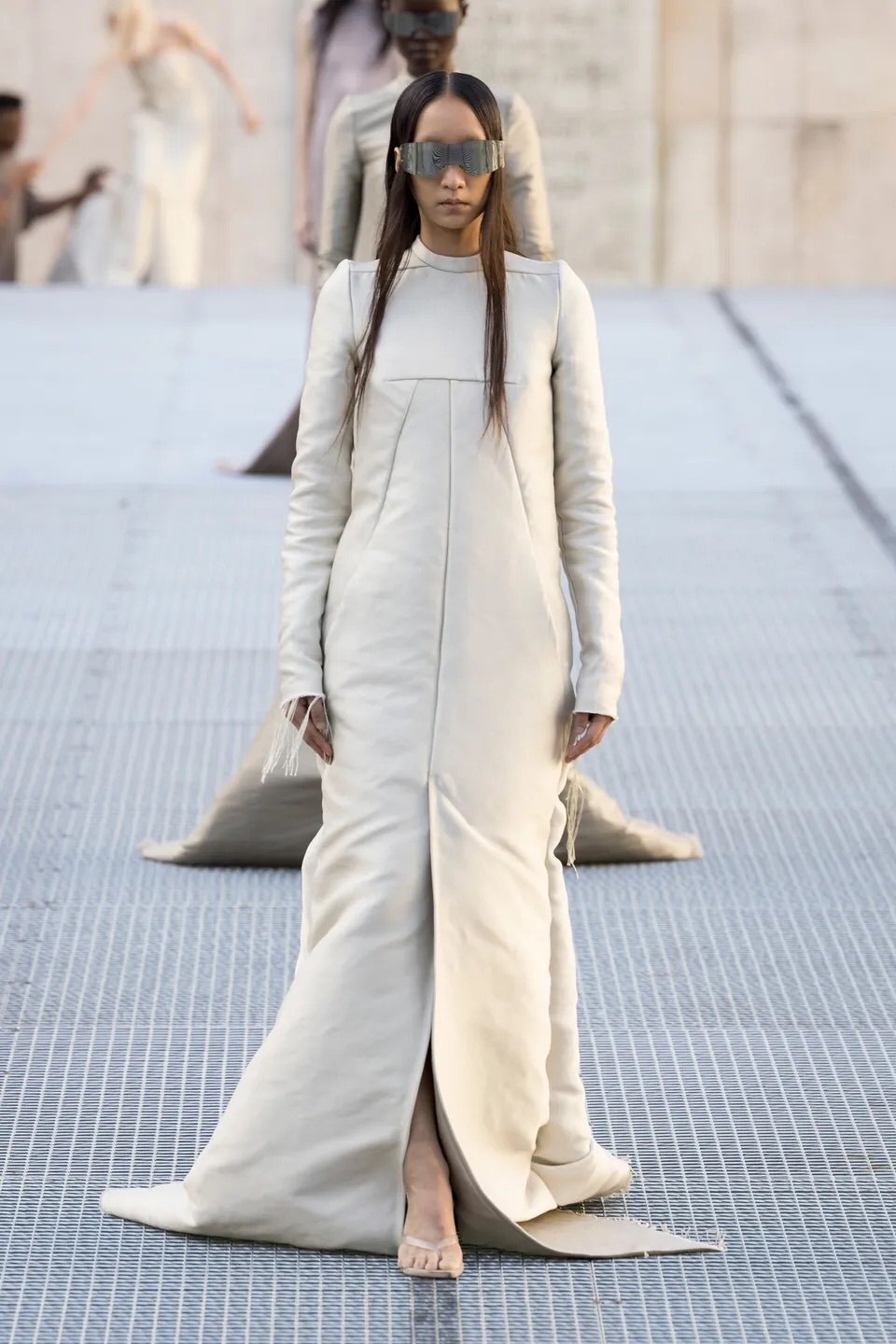
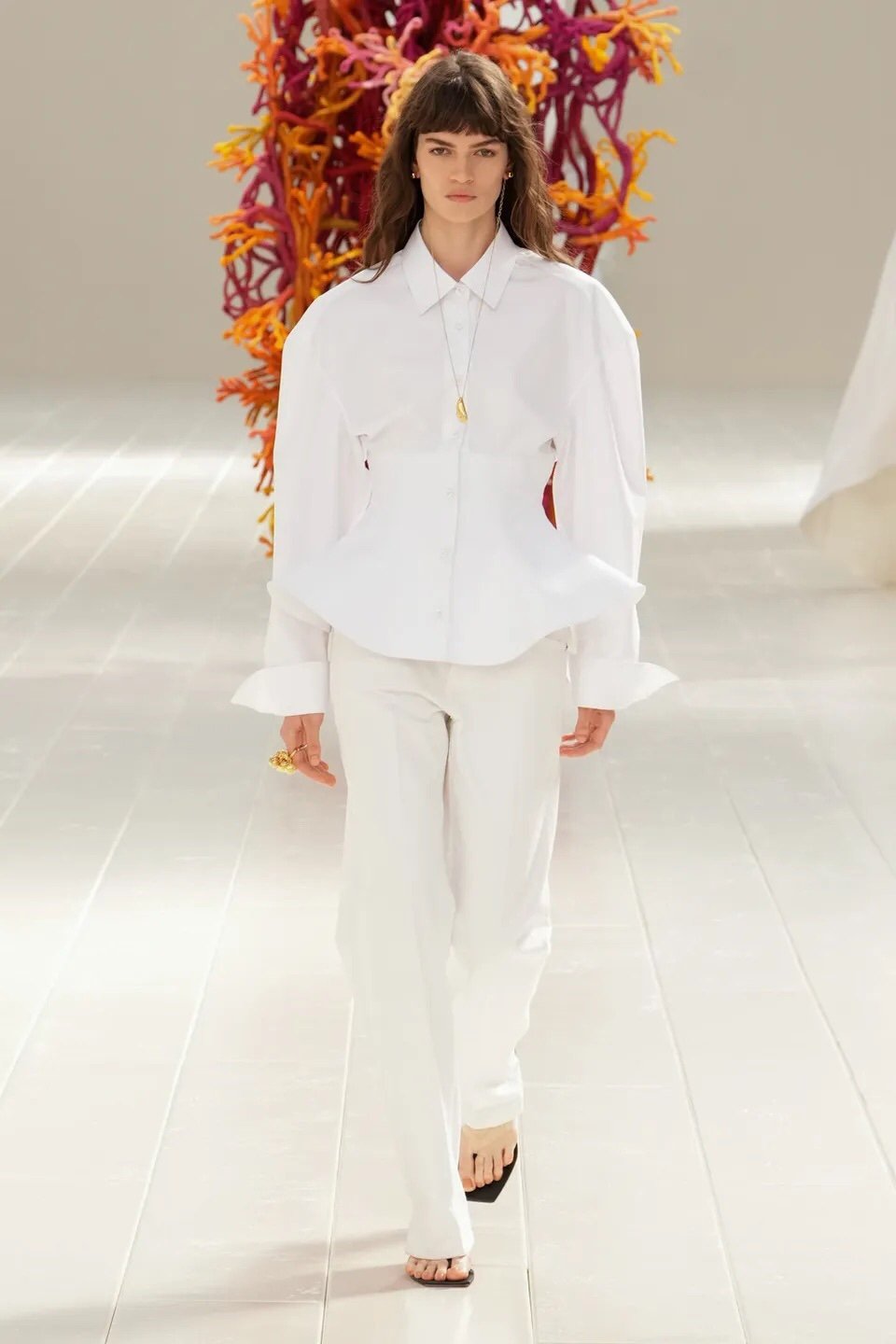
Christian Dior Spring 2027 Ready-to-Wear arrives at a defining moment for the Parisian fashion house. With Jonathan Anderson now responsible for Dior’s womenswear, menswear and couture universe, each new collection has become another chapter in his ongoing conversation with the house’s extraordinary history. For Spring 2027, that conversation continues in Paris as Anderson develops a language that looks backward without becoming trapped by the past.
The Spring/Summer 2027 womenswear season officially runs from September 28 through October 6, with Dior among the major houses shaping the final chapter of fashion month. This collection marks Anderson’s third Dior womenswear show, following his Spring/Summer 2026 debut and Autumn/Winter 2026-2027 collection.
For a house founded on some of the most recognizable silhouettes in fashion history, Anderson’s challenge is particularly fascinating: how do you preserve the identity of Dior while allowing it to feel contemporary?
His answer so far has been less about erasing the archive and more about opening it up.
Jonathan Anderson’s Dior Era
Jonathan Anderson became Dior’s creative director in 2025, taking over one of the most influential positions in luxury fashion after more than a decade at Loewe. His arrival immediately created a new creative chapter for the house.
Rather than treating Dior’s history as something untouchable, Anderson has approached it as a source of material.
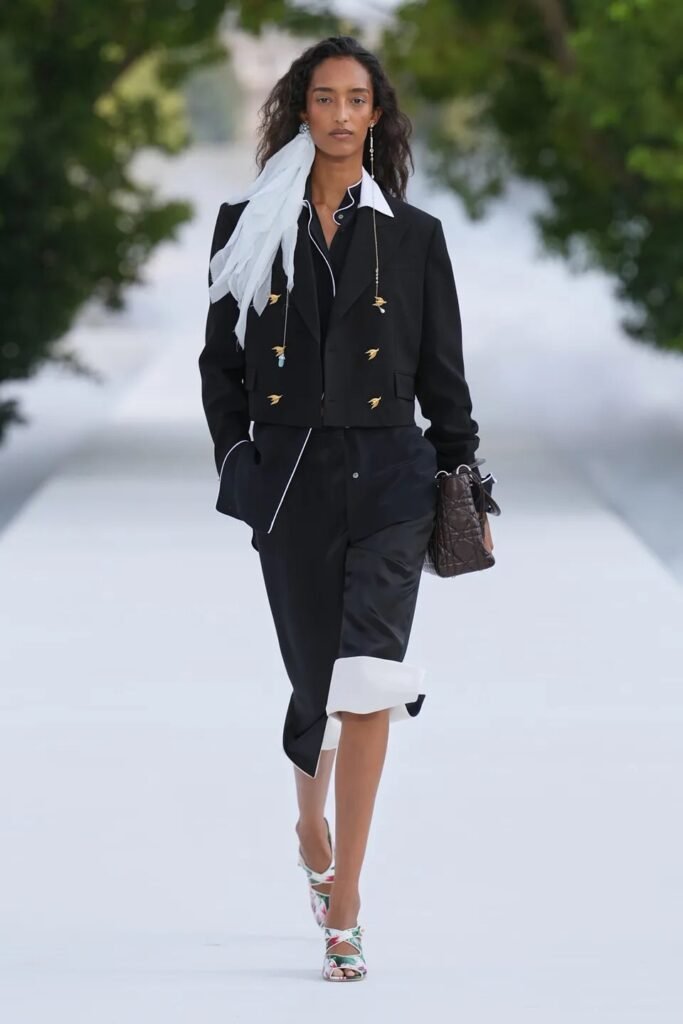
His first womenswear collection for the house in 2025 established that approach. The Bar jacket, one of Dior’s most recognizable signatures, was revisited alongside unexpected combinations of denim, lace, tailoring and youthful proportions. Historical references were mixed with everyday clothing, creating tension between Dior’s formal heritage and Anderson’s instinct for the unexpected.
That idea has continued to develop.
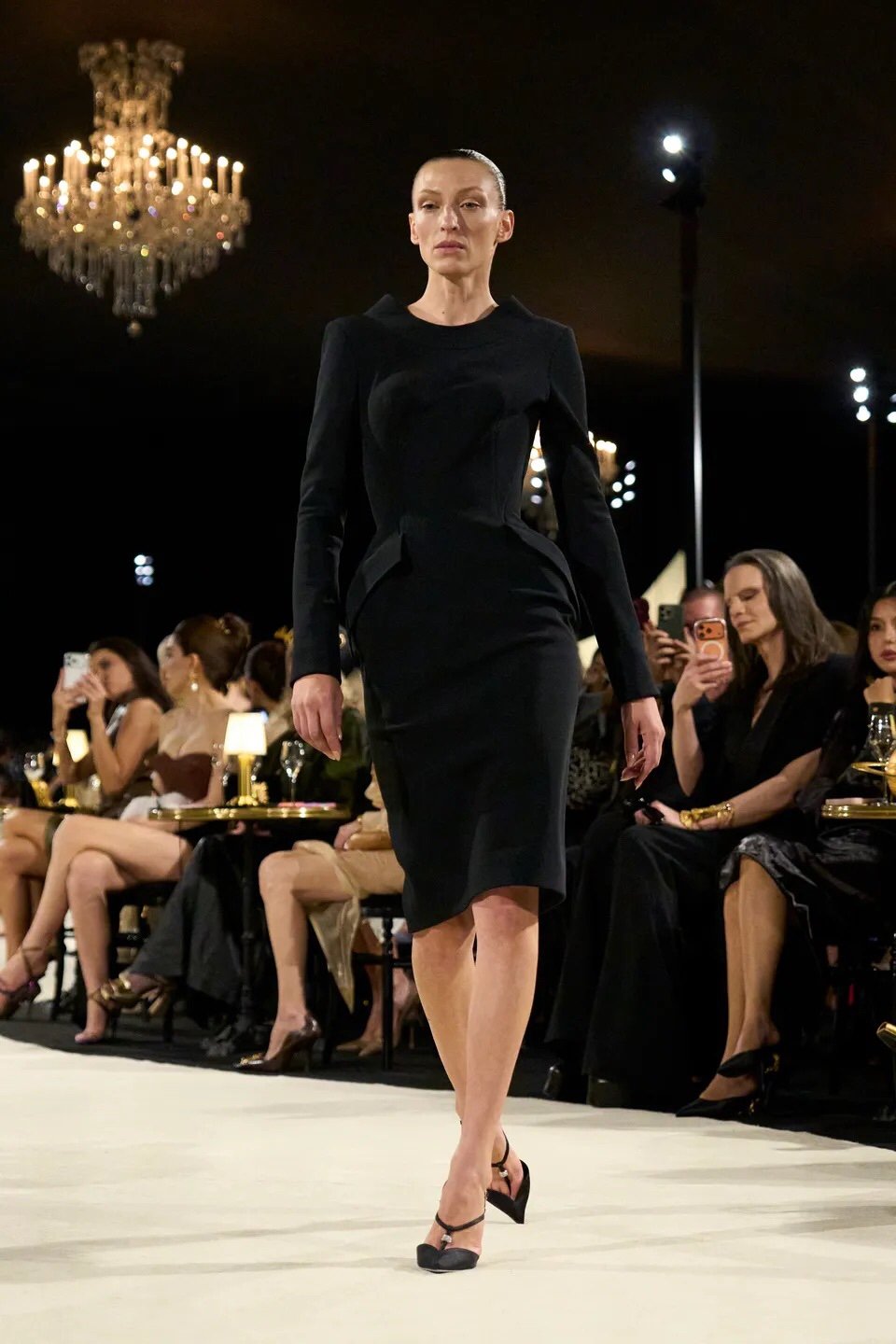
Anderson has repeatedly described his interest in understanding Dior’s history while finding a way to move beyond straightforward reproduction. His recent exploration of the Dior archives has included everything from the legendary 1947 Bar Suit to Christian Dior‘s architectural 1952 La Cigale dress.
In a recent exploration of Dior Heritage, Anderson described Christian Dior as an “alchemist” who looked to the past in order to reconstruct the future. The idea feels particularly relevant to Anderson’s own approach to the house.
From the Bar Jacket to a New Dior Vocabulary
The Bar jacket remains central to Dior’s visual identity, but under Anderson it is becoming less of a fixed historical object and more of a starting point.
Instead of simply recreating the New Look silhouette, Anderson has experimented with its proportions, fabrics and styling. The result is a Dior that can move between couture-like construction and pieces that feel much more relaxed.
This tension has been visible across his work for the house.
His Spring/Summer 2026 womenswear collection paired historical Dior references with denim, polo shirts, lace, capes and unconventional accessories. The collection deliberately blurred the boundaries between dressed-up and dressed-down clothing.
It was a significant direction for Dior.
The house’s traditional vocabulary is built around elegance, femininity, structure and couture craftsmanship. Anderson has not abandoned those principles. Instead, he has introduced a more playful and sometimes eccentric attitude.
That makes Spring 2027 an important continuation of the experiment.
Dior Spring 2027 and the Art of Reinvention
One of the most interesting aspects of Anderson’s Dior is the way history is treated as something fluid.
Rather than assigning individual references to specific decades, the designer has shown an interest in allowing different periods to exist together.
A silhouette from the 1940s can meet an item that feels distinctly contemporary. A couture technique can appear on something that looks casual. A familiar Dior code can be shifted into an entirely different proportion.
That method creates a wardrobe that feels less like a historical costume and more like a conversation between generations.
It is also consistent with Anderson’s broader design philosophy.
At Dior, he has used the house’s archive as a creative toolbox. The result is not nostalgia in its simplest form. Instead, familiar elements are reconstructed, resized, softened or placed into unexpected contexts.
For Spring 2027, that philosophy provides the foundation for another evolution of Dior.
A Softer Approach to Luxury
Another defining element of Anderson’s Dior has been the relationship between luxury and ease.
Traditional Dior is often associated with elaborate construction and highly controlled silhouettes. Anderson has introduced a different kind of luxury—one that can feel less formal and more instinctive.
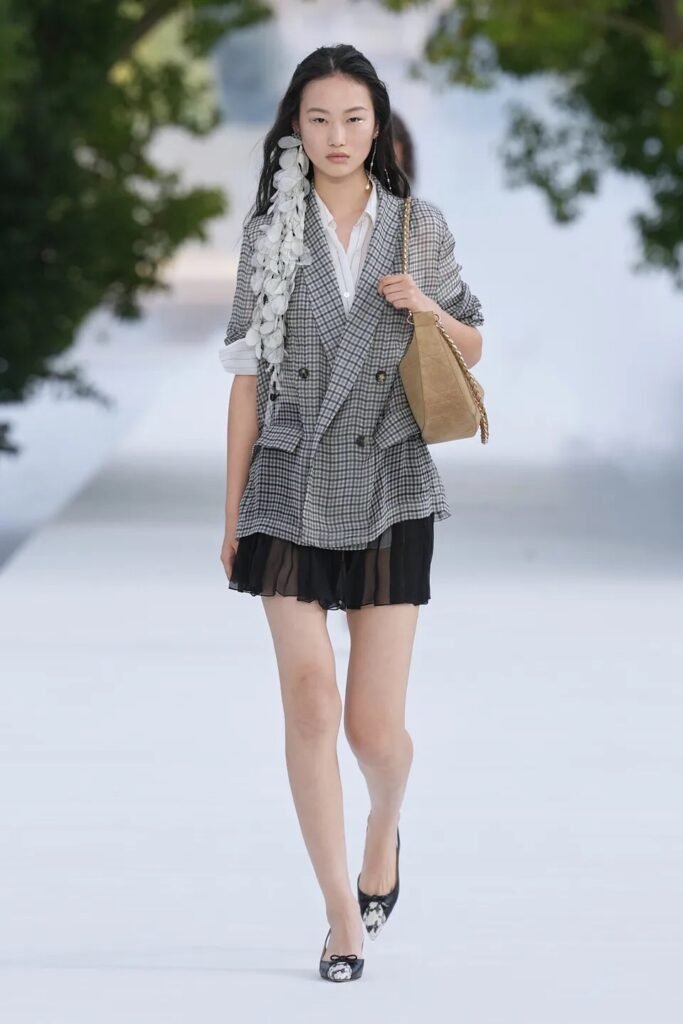
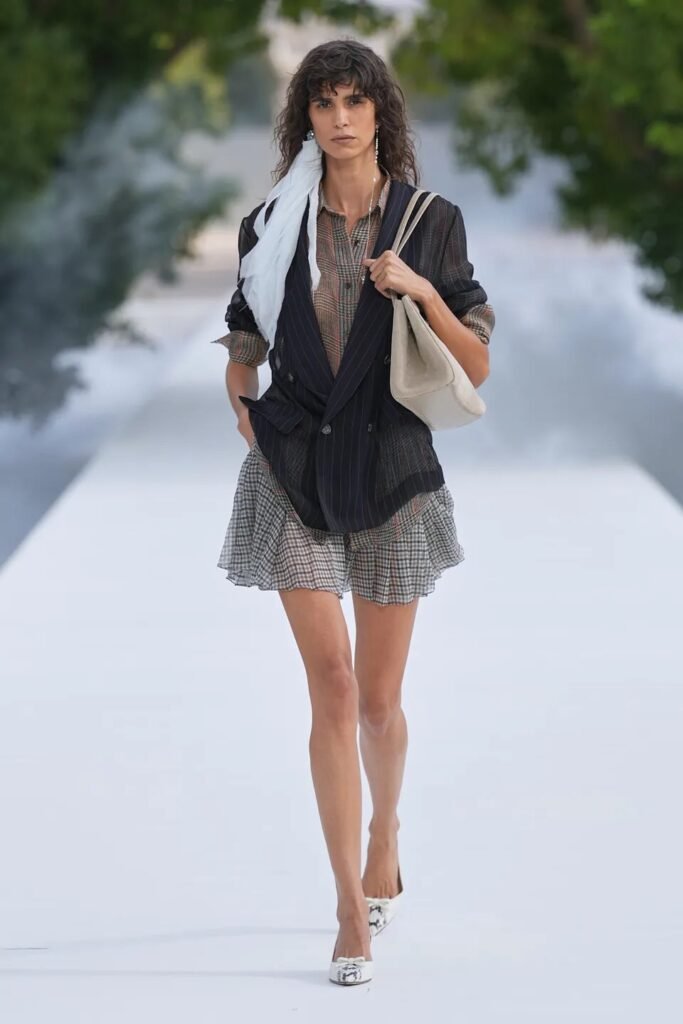
His Dior wardrobe increasingly allows tailoring to coexist with casual pieces, while couture references can appear alongside everyday clothing.
This approach was already visible in his first Dior collections, where structured jackets appeared alongside denim, polo shirts and relaxed trousers. It suggests a modern customer who does not necessarily want to separate their wardrobe into rigid categories of “formal” and “casual.”
That idea is especially relevant for Spring/Summer.
Warm-weather dressing naturally lends itself to lighter silhouettes, relaxed tailoring, fluid fabrics and clothing that can move between different settings. Anderson’s Dior is increasingly interested in that kind of versatility.
The Archive Remains at the Center
If there is one constant in Anderson’s Dior, it is the archive.
The designer has made it clear that understanding Dior’s history is essential to his work at the house. His recent archive exploration included the Bar Suit and La Cigale, while also tracing connections between designers who have previously shaped Dior.
That historical awareness matters because Dior is not simply another luxury label.
The house’s identity is connected to a series of designers who each created their own interpretation of Dior: Yves Saint Laurent, Marc Bohan, Gianfranco Ferré, John Galliano, Raf Simons and Maria Grazia Chiuri, among others.
Anderson’s task is therefore not simply to create beautiful clothing. He is adding another chapter to a much larger design history.
His response has been to acknowledge those chapters while refusing to be restricted by them.
Craft Meets Curiosity
Dior’s craftsmanship remains an important part of the story.
The house’s ateliers continue to provide the technical foundation for Anderson’s ideas, allowing experimental shapes and unusual treatments to be translated into highly finished garments.
This relationship between experimentation and craftsmanship has also appeared in Anderson’s Dior couture work.
For his first haute couture collection, he approached couture through collecting, assembling references from nature, art and Dior’s history. Sculptural shapes, botanical details, handwork and unusual materials were brought together as a kind of cabinet of curiosities.
That same curiosity informs his ready-to-wear work.
The clothes may appear more relaxed than traditional Dior, but the underlying construction remains connected to the house’s commitment to craftsmanship.
What Spring 2027 Says About the Future of Dior
Spring 2027 represents another step in Anderson’s attempt to establish his own Dior language.
The significance of the collection goes beyond individual garments. It is about understanding where the designer believes Dior can go next.
The house does not need to become JW Anderson.
Nor does Anderson appear interested in simply recreating the Dior of Christian Dior, Galliano or any of his predecessors.
Instead, his Dior is becoming a meeting point between those histories.
There is the Bar jacket. There is couture. There are references to Dior’s archive. But there is also denim, casual dressing, playful proportions, unexpected accessories and the designer’s instinct for mixing seemingly unrelated ideas.
That tension is becoming one of the defining characteristics of the new Dior.
Dior’s New Chapter
Jonathan Anderson’s arrival has given Dior a new creative conversation.
For Spring 2027, that conversation continues to revolve around one central question: what does it mean to design for Dior today?
The answer cannot simply be found in the past.
Christian Dior’s original vision was itself revolutionary because it responded to its moment. The New Look was not created to preserve history—it was created to change the way women dressed.
Anderson appears to understand that distinction.
His responsibility is not merely to protect Dior’s codes but to keep them alive.
That means allowing the Bar jacket to change. Allowing couture techniques to enter unexpected territory. Allowing femininity to become less rigid. Allowing historical references to collide with contemporary life.
For Spring/Summer 2027, Dior once again becomes a place where the past and present meet.
And if Anderson’s first chapters at the house have established anything, it is that Dior’s history is not finished being written.
Creative Director: Jonathan Anderson
Collection: Dior Spring/Summer 2027 Ready-to-Wear
Season: Spring/Summer 2027
Presented in Paris Fashion Week