

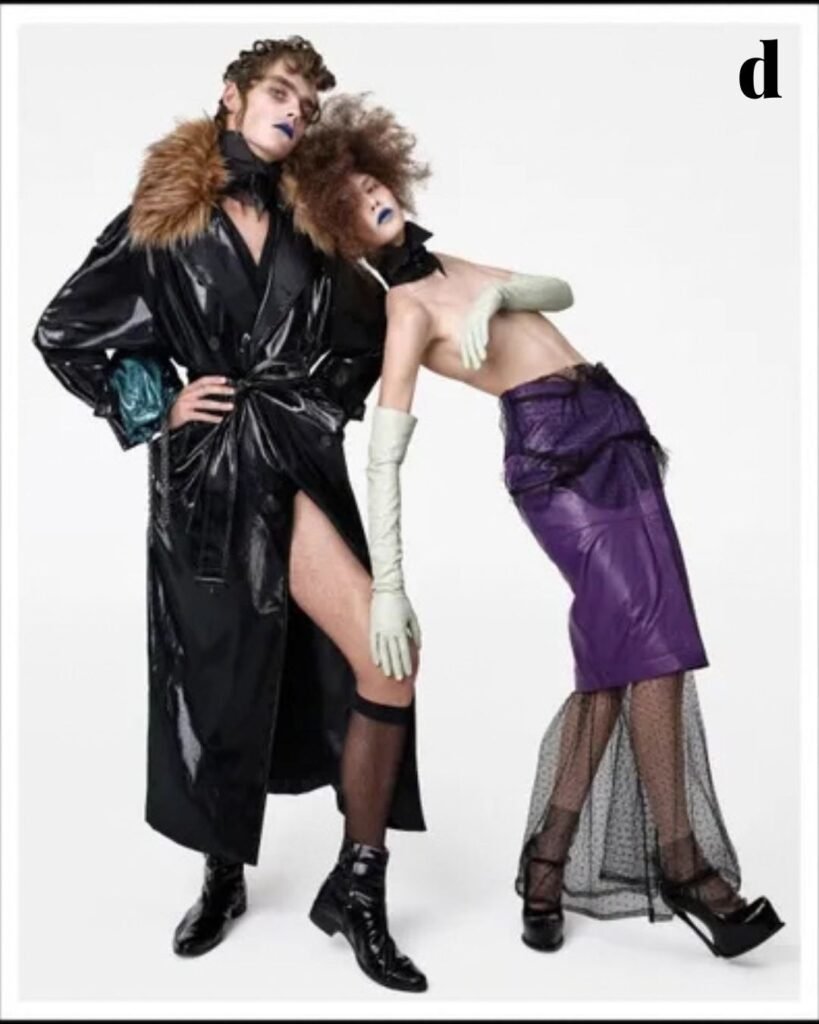
Fashion has always been 0bsessed with transformation. A familiar garment can become something completely different through a change of silhouette, an unexpected cut, a new fabric treatment or simply the decision to turn it inside out.
With Re{form} Zara – Authored by Couturier John Galliano, that idea becomes the foundation of an entire collection.
Unveiled during Paris Fashion Week in September 2026, Re{form} represents John Galliano‘s first major fashion project with Zara and the beginning of a two-year partnership that is expected to feature four collections. Rather than approaching Zara as a blank canvas, Galliano has taken existing garments and treated them as raw material cutting, unraveling, reconstructing and reshaping them into something dramatically new.
The result is a collection that brings together the accessibility and industrial reach of Zara with one of fashion‘s most recognisable vocabularies of theatricality, historical references, deconstruction and couture-inspired construction.
John Galliano Meets Zara
The partnership is an unusual meeting of fashion worlds.
John Galliano‘s career has been defined by a passion for historical dress, storytelling and transformation. From his early work at Central Saint Martins to his years at Dior and later Maison Margiela, clothing has often acted in his hands as a form of character creation.
Zara, meanwhile, operates at an entirely different scale. Its global production and distribution network allows fashion ideas to reach a huge international audience.
Re{form} brings these two approaches together.
Galliano began developing the project with Zara after conversations with Marta Ortega Pérez, chair of the Inditex board. According to Vogue, the relationship eventually developed into the concept of Re{form}, with Galliano proposing the idea of reworking existing Zara garments rather than designing every piece from scratch.
That difference is important.
Re{form} is not simply a designer collaboration in which a famous name creates a collection for a high-street retailer. The concept is embedded in the act of re-creation itself.
From Zara Garments to Galliano Forms
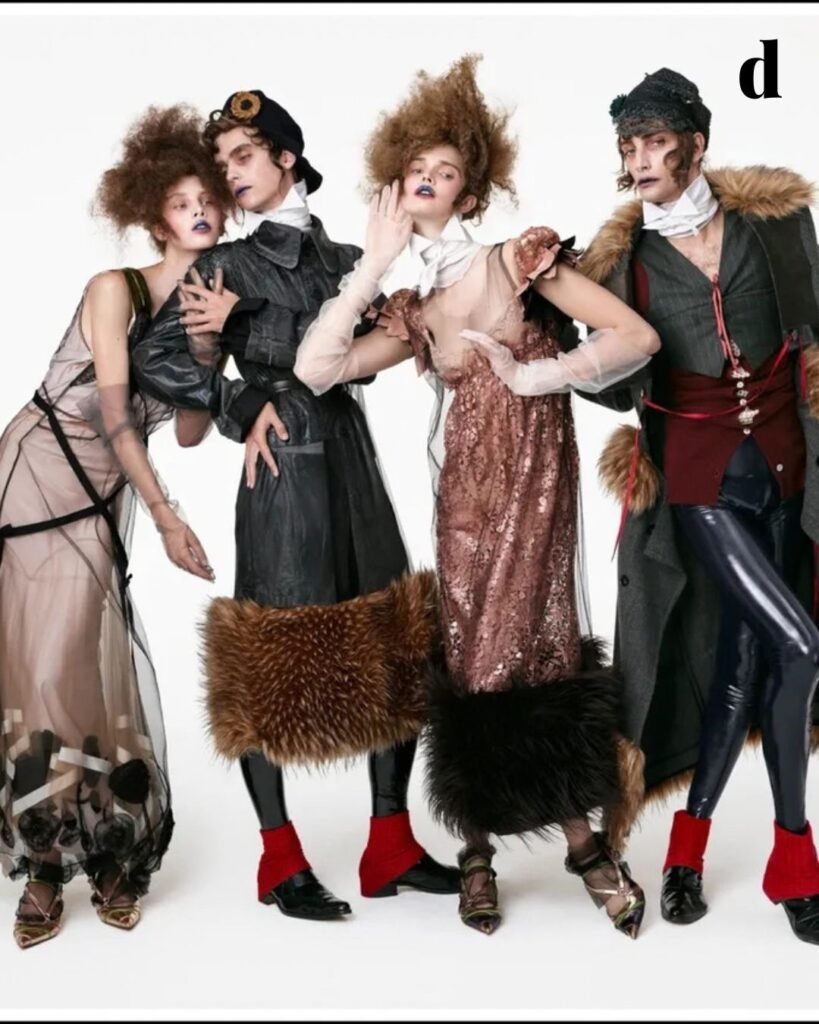
At the heart of Re{form} is the question: How can an existing garment be transformed into something new?
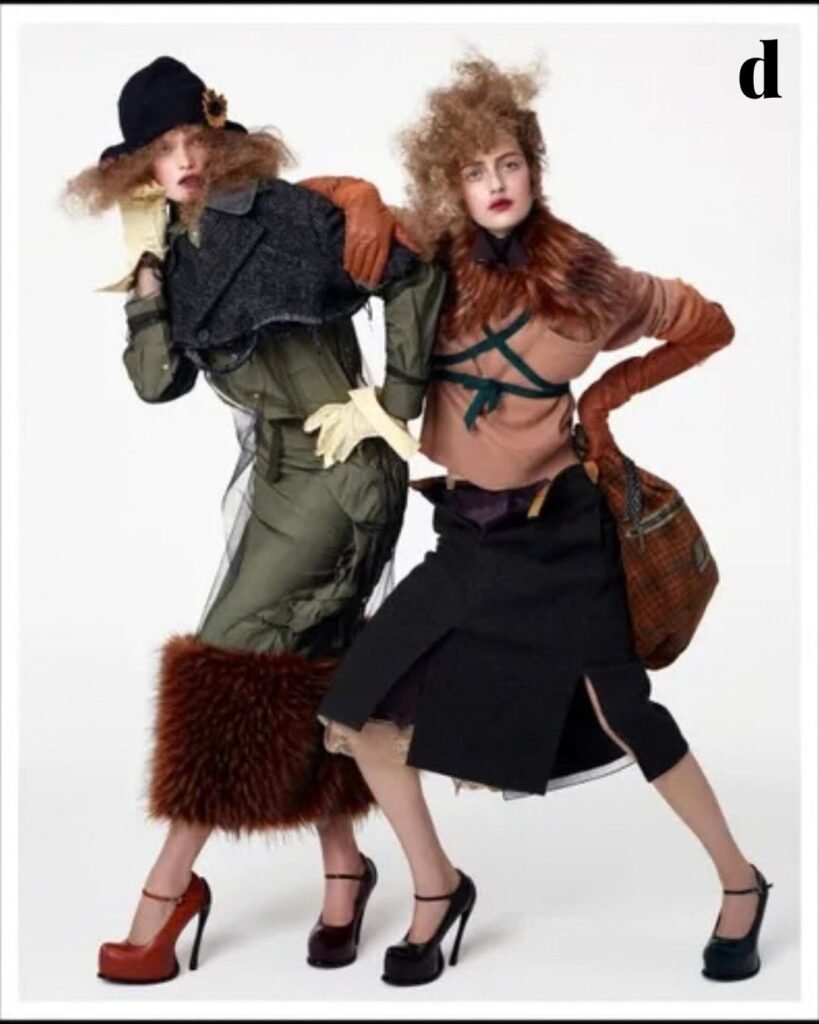
Galliano and his team began with familiar Zara blueprints, including coats, shirts and slip dresses. These pieces were then reworked through cutting, repositioning, enlarging, turning and reconstructing. A ordinary garment becomes the starting point for a much more theatrical silhouette.
A wool-mix coat, for example, can be dramatically transformed through extended lapels, displaced pockets and an asymmetrical transformation of its original shape. A slip dress can be reworked until its original purpose becomes almost unrecognisable.
This approach gives Re{form} its central tension: the garments begin with the familiar, but finish somewhere unexpected.
Galliano has described the process through the language of todays remix culture, comparing the act of transforming clothing to the way hackers and DJs sample existing material.
It is an idea that feels particularly relevant to fashion today, where archival references, upcycling, reconstruction and reinvention have become a very important creative tools.
The Galliano Codes
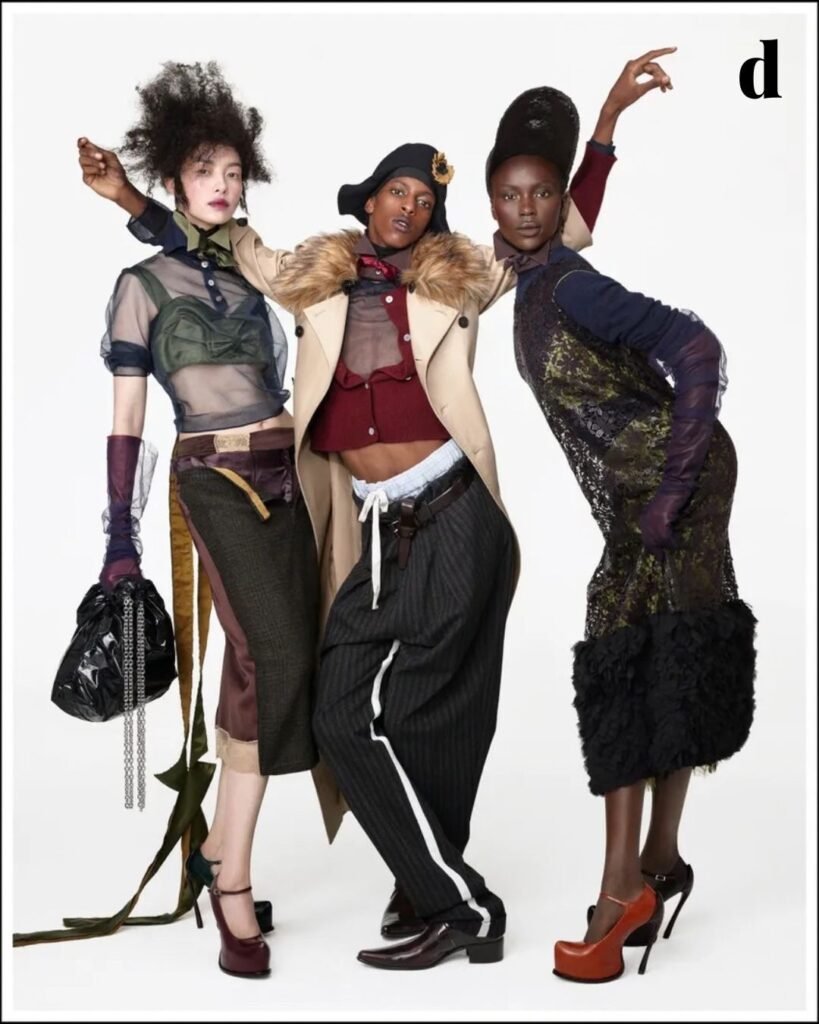
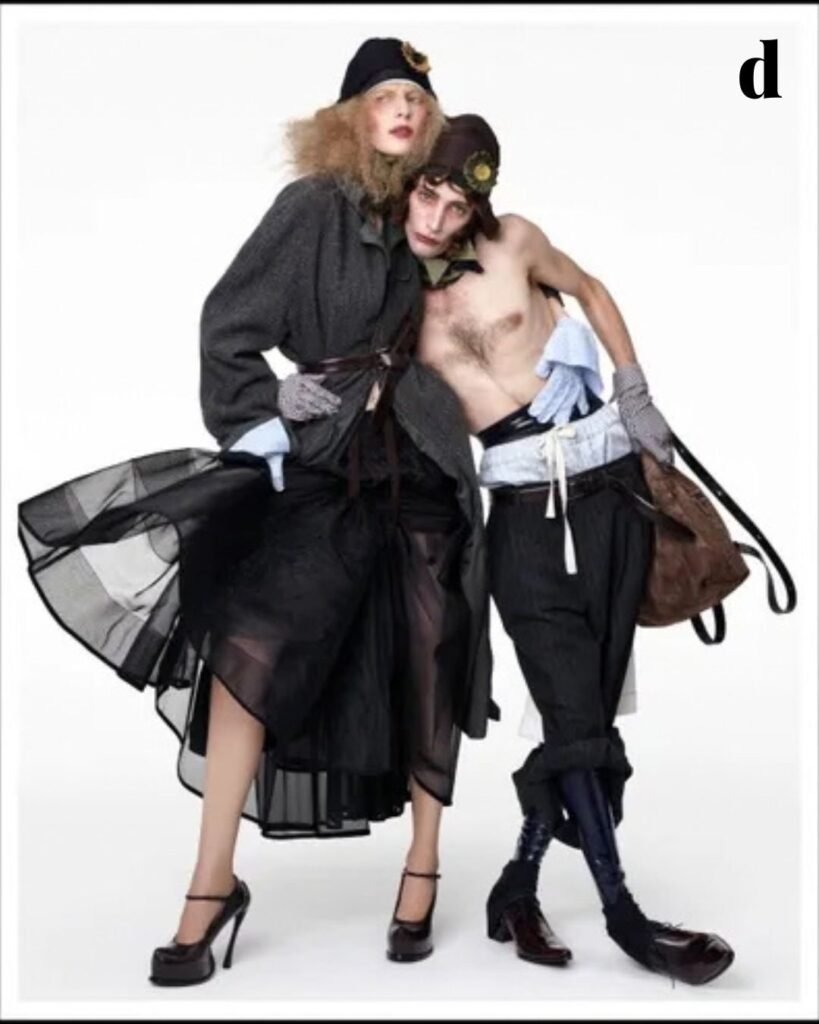
Despite beginning with Zara’s existing garments, Re{form} remains unmistakably Galliano.
The collection embraces many of the visual codes that have appeared throughout his career: dramatic silhouettes, bias-cut dresses, oversized tailoring, sheer layers, theatrical accessories and historical references.
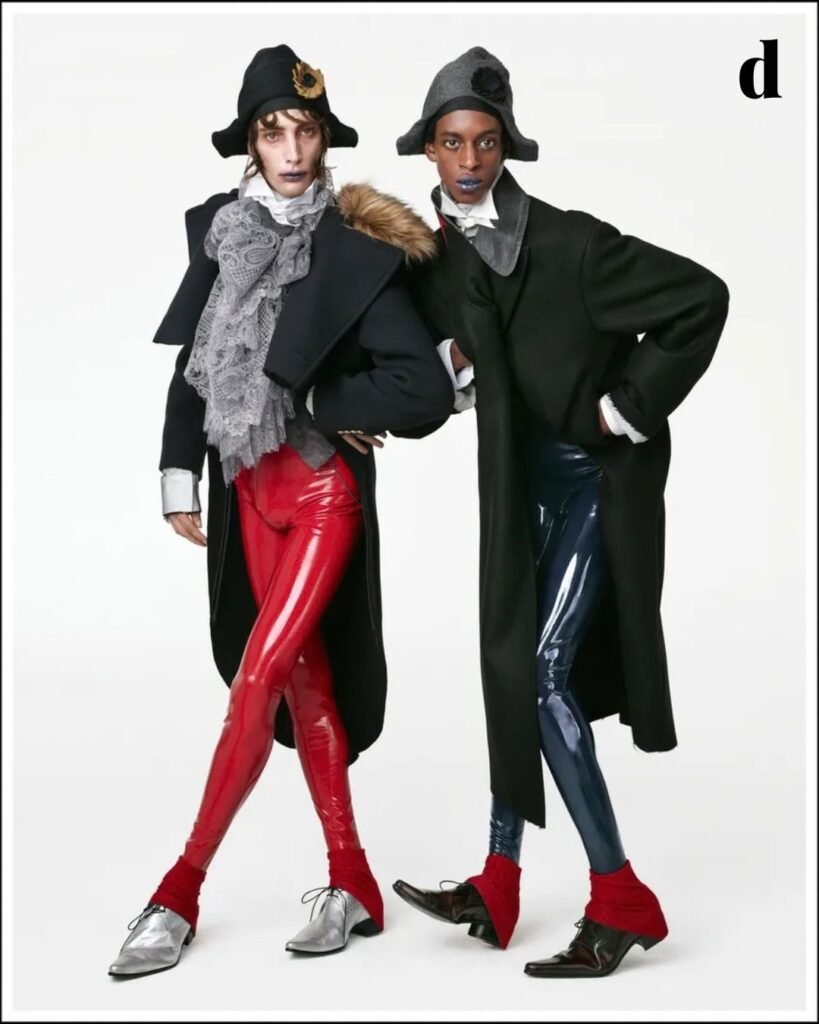
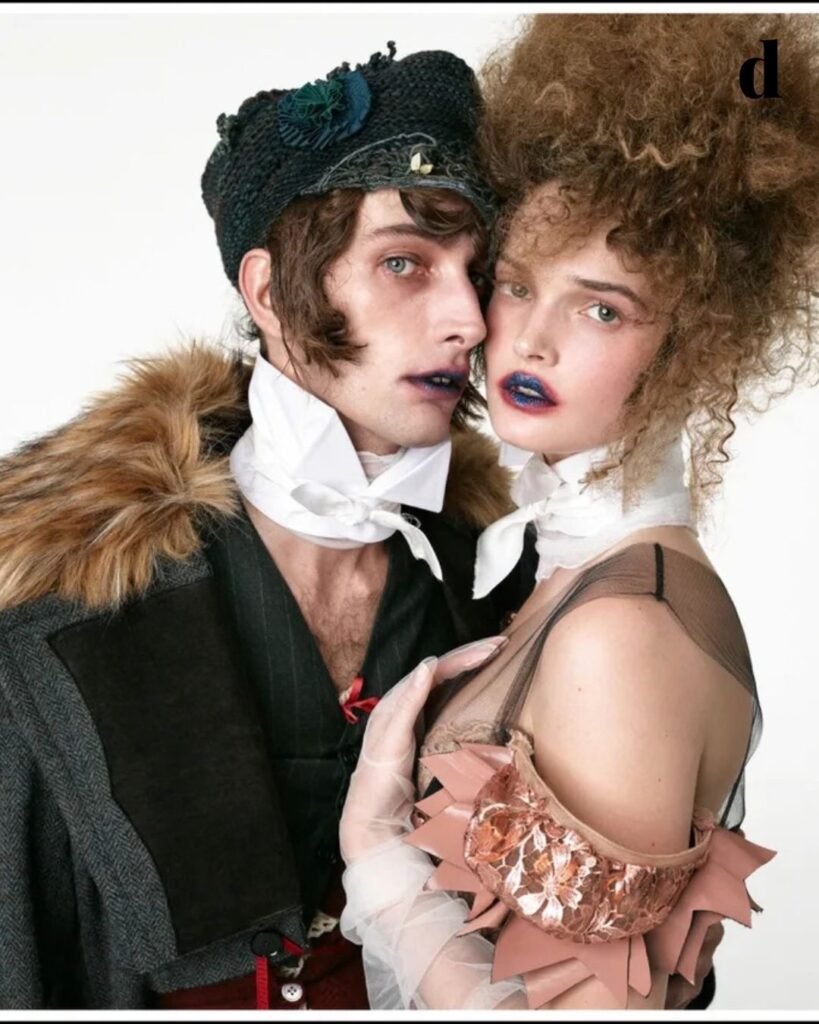
There are jewel-toned dresses, transparent tulle, sculptural coats, cravats, opera-inspired gloves, bonnets and bicorne hats. The clothes frequently blur the line between historical costume and present day fashion.
The historical inspiration is particularly crucial.
Galliano returns to Les Incroyables and Les Merveilleuses, the flamboyant figures connected with post-Revolutionary France. The subject has personal significance within his career, having inspired his 1984 Central Saint Martins graduation collection.
For Re{form}, that historical language becomes something less literal. The oversized proportions, rebellious tailoring and theatrical accessories are translated into present day garments that feel intentionally fluid.
A coat does not strictly behave like a coat.
A shirt does not always remain a shirt.
A dress can become an entirely different object.
That is where the collection finds its identity.
The Techniques Behind Re{form}
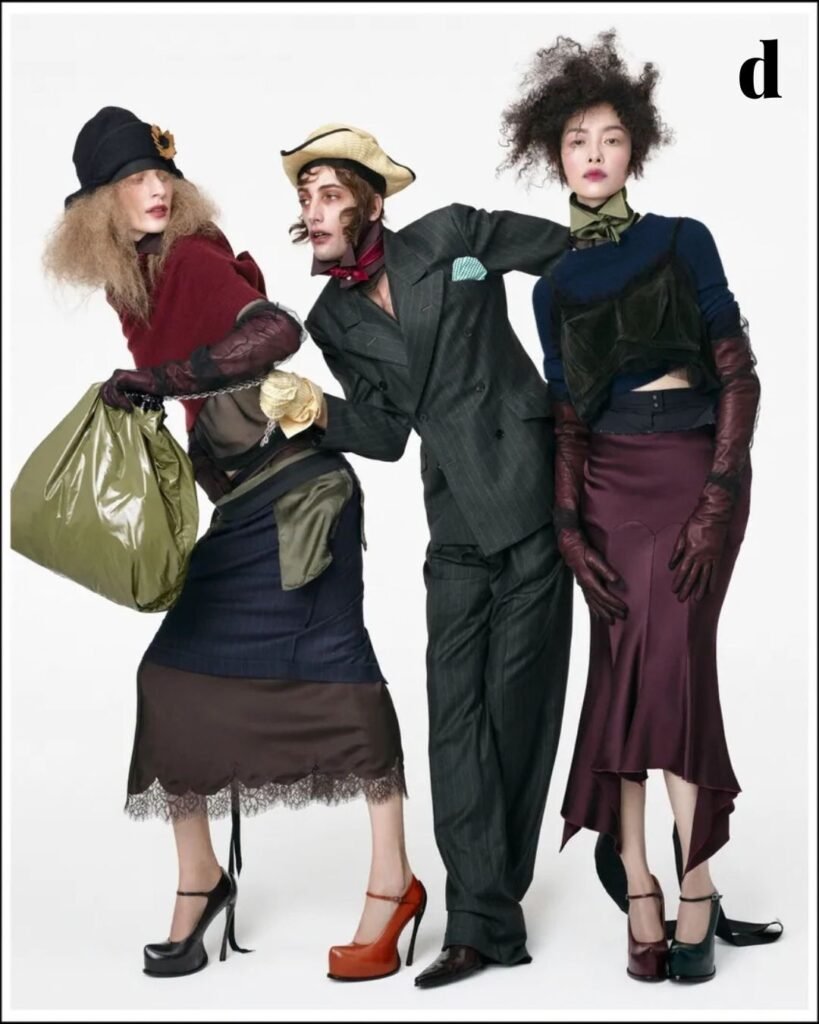
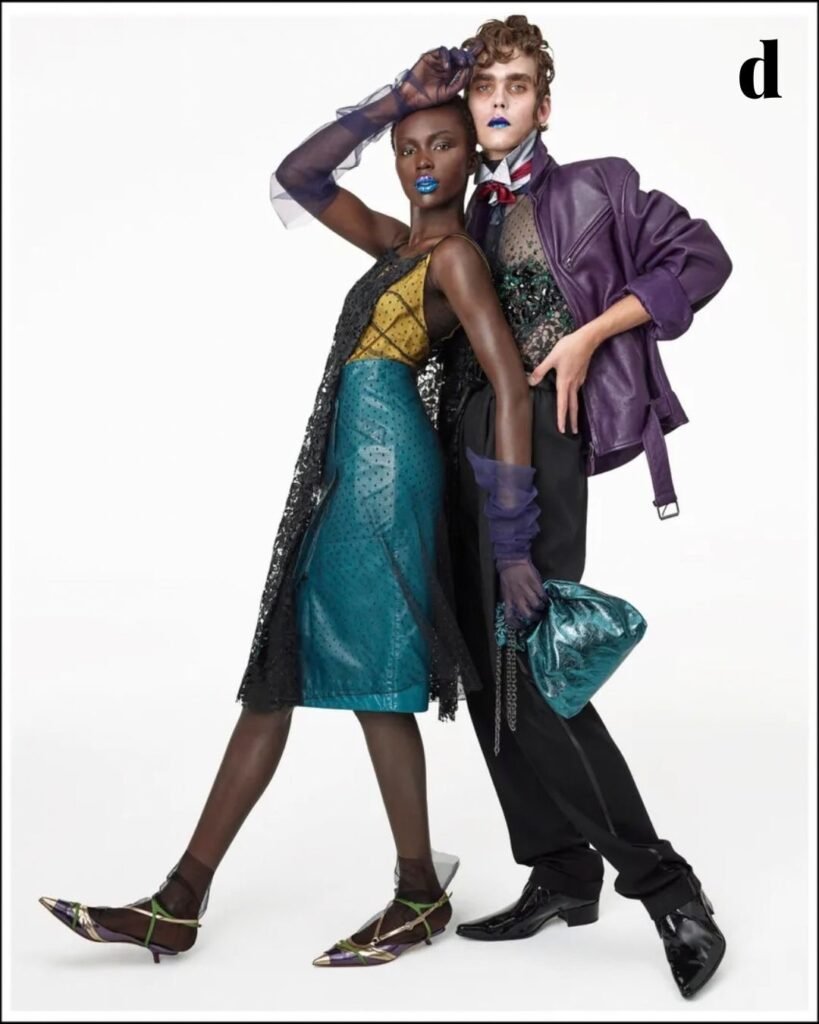
Zara’s presentation of the collection gives individual techniques their own identities, turning the process of transformation into part of the story.
Re{form}ing describes the core idea behind the collection: existing Zara garments are treated as a kind of archive and transformed into new designs.
The Shi/ft focuses on changing the identity and use of a garments through transformation.
The Flix introduces a sheer coat designed to work as a layering piece over other garments.
Deep Pockets uses oversized and relocated pockets not simply as functional details, but as elements that rework how the wearer moves and wears a garment.
These details reveal that the collection is interested not only in appearance but also in construction and movement.
The clothes are designed to confront with expectations.
A Wardrobe of Contradictions
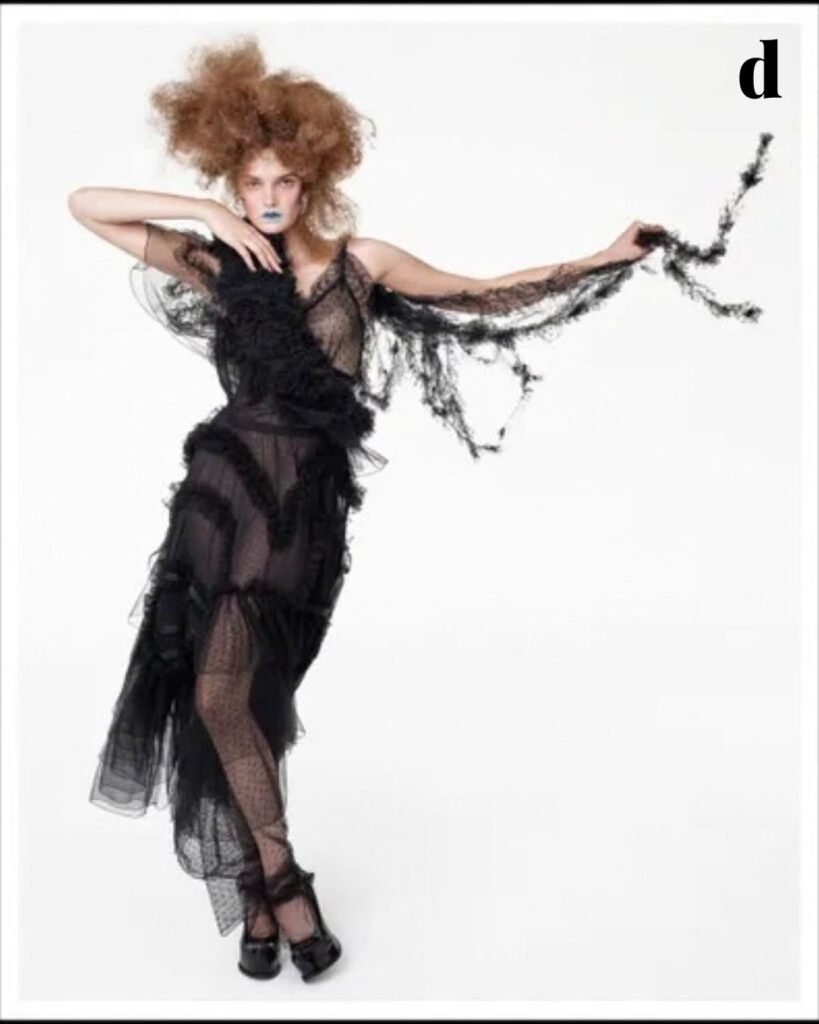
One of the most compelling aspects of Re{form} is the way it embraces tention.
There is tailoring and vulnerability. Historical costume and present day streetwear. structure and chaos. Familiar Zara staples and flamboyant Galliano silhouettes.
The collection includes sharply tailored pieces together with transparent layers and fluid dresses. Traditional references sit beside more experimental proportions. Accessories become almost theatrical props.
This creates a wardrobe that feels closer to a fashion character study than a traditional seasonal collection.
The campaign, photographed by Steven Meisel, reinforces that theatrical aesthetic, Rather than showcasing the clothing as ordinary retail product, the imagery places the collection firmly within the visual language of fashion editorial.
From the High Street to the Fashion Archive
Perhaps the most interesting question surrounding Re{form} is what it says about the meaning of an “archive.”
Traditionally, a fashion archive refers to historical garments preserved because of their cultural, artistic or design relevance.
Galliano applies the idea differently.
For Re{form}, Zara’s existing garments become the archive.
That challenges the traditional boundary between luxury fashion and mass-market fashion. A garment does not necessarily need to be decades old to become material for historical reinvention. It can simply be something that already exists.
Galliano’s approach effectively asks whether the archive can be created through transformation rather than time.
The answer, at least within Re{form}, is yes.
The Collection’s Signature Pieces
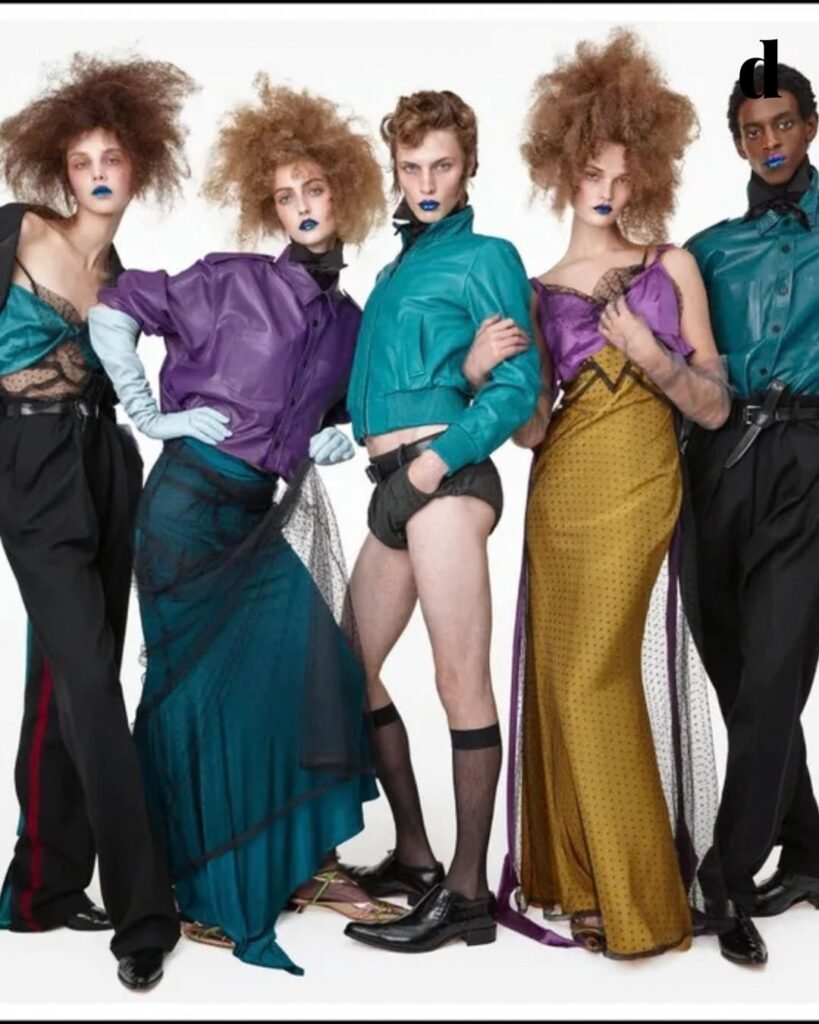
The range includes dresses, coats, shirts, trousers, knitwear, accessories, footwear and bags, alongside more theatrical pieces such as long tulle gloves.
Zara’s UK platform presents a selection of Re{form} looks together with limited-edition pieces, while the wider collection includes items such as sheer knitwear, vinyl trouserS, inverted shirts, floral lace accessories and the distinctive Tri-Chic bag.
The pricing also places the collection in an unusual space for Zara. Wallpaper* reported UK prices including £89.99 for a limited-edition semi-sheer V-neck jumper, £149 for vinyl skinny-fit trousers, £119 for an inverted poplin shirt, £469 for a combined guipure mini dress and £229 for the Tri-Chic large bag.
These prices sit noticeably above many conventional Zara offerings, reflecting the limited-edition and designer-authored nature of the project.
Re{form} as Galliano’s New Chapter
Re{form} also represents a new professional chapter for Galliano following his departure from Maison Margiela in 2024.
The project comes after a period of intense public attention surrounding the designer and the cancellation of a planned retrospective at The Metropolitan Museum of Art. Galliano has publicly acknowledged the harm caused by his antisemitic and anti-Asian remarks in 2010 and 2011 and expressed respect for the decision surrounding the exhibition.
Against that backdrop, Re{form} places the designer’s creative work into a dramatically different commercial environment.
Rather than returning through another traditional luxury house, Galliano is working with one of the world’s largest fashion retailers.
And importantly, he has not handled the collaboration by simplifying his visual language.
The result is intentionally theatrical.
The Future of Designer and High-Street Collaborations
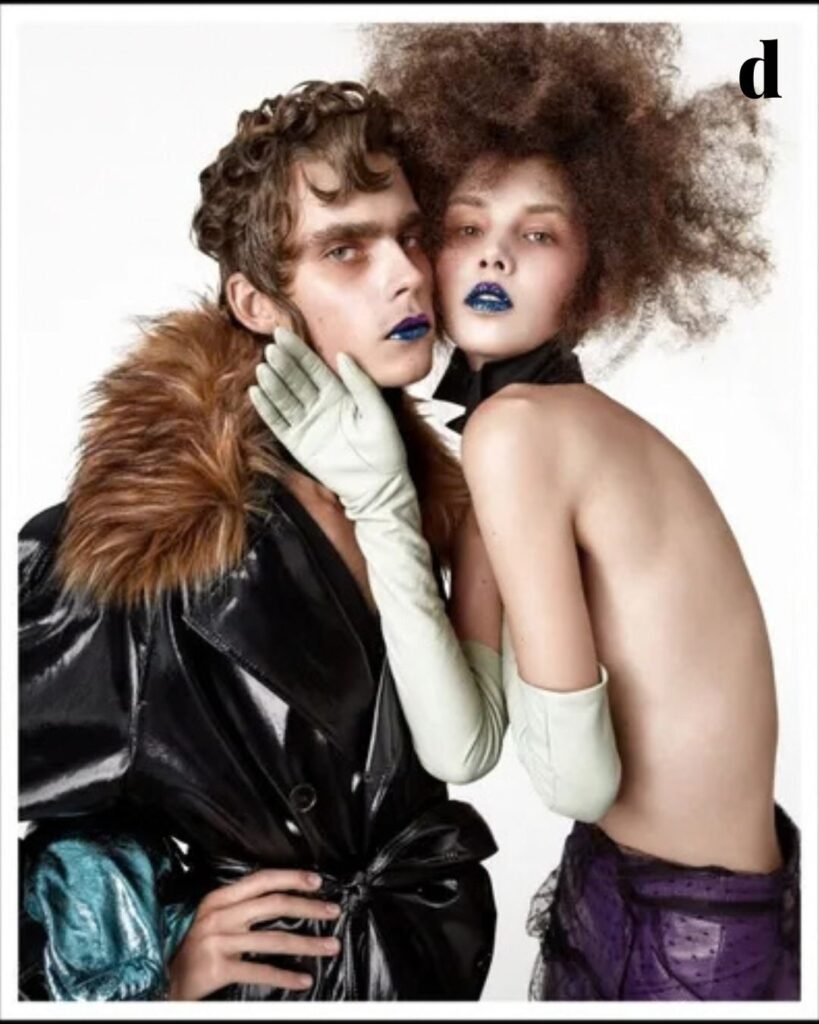
Re{form} points toward an increasingly fluid relationship between luxury fashion and the high street.
For years, designer collaborations have allowed major fashion names to reach audiences beyond traditional luxury customers. But Galliano’s approach goes further by making the creative process itself the subject.
Instead of simply putting a designer’s name on familiar products, Re{form} asks what happens when a celebrated couturier is given access to an expansive existing wardrobe and encouraged to dismantle it.
That makes the project particularly intriguing from a fashion-history perspective.
It is not only about what Galliano designed.
It is about how he changed what already existed.
A New Definition of Transformation
Re{form} Zara by John Galliano ultimately revolves around one of fashion’s oldest and most timeless ideas: transformation.
A shirt can become a jacket.
A coat can become something sculptural.
A familiar silhouette can become theatrical.
An existing garment can become a new design.
And a high-street wardrobe can become the raw material for a couturier’s imagination.
The collection therefore sits somewhere between ready-to-wear, experimentation and fashion history. It brings Galliano’s fascination with costume, character and reconstruction into Zara’s global fashion space while challenging the traditional boundaries between designer fashion and the high street.
For Galliano, Re{form} marks the beginning of what he describes as a new “act” in his career. For Zara, it represents a bold attempt to place couture-level creative thinking at the centre of its retail universe.
And for fashion audiences, the collection offers something especially intriguing: the opportunity to see what happens when one of fashion’s great re-creators is handed an existing wardrobe and told to change its form.
Re{form} is not simply about making new clothes. It is about discovering how much Potential can already exist inside the clothes we think we know.
Leave a Reply