

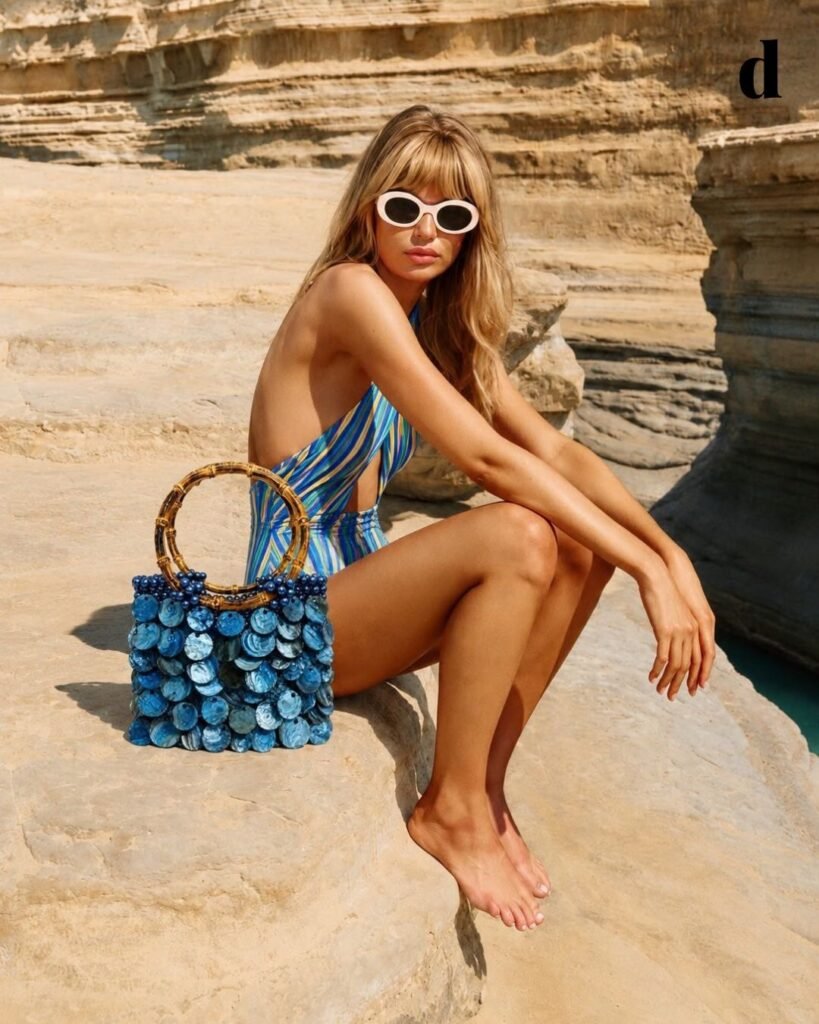
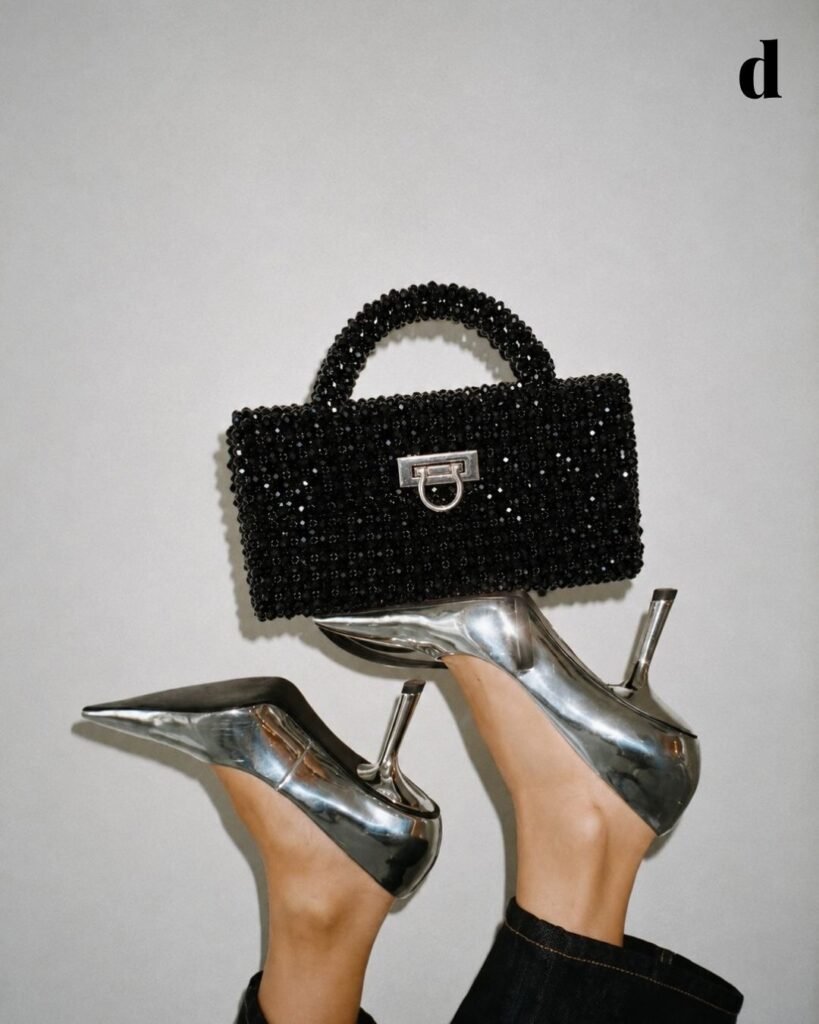
In a fashion landscape increasingly defined by speed, repetition and recognizable logos, Atelier Emine proposes something quieter: the idea that a handbag can carry a story not only through what it looks like, but through how it is made.
Before there was Atelier Emine, there was the sea.
For founder and designer Emine Tüncer, the origins of the Istanbul-based handmade couture handbag label can be traced back to her childhood and to a material that, at first glance, seems far removed from the world of luxury accessories: monofilament. Her father was a fisherman, and through him, Tüncer became familiar with a material connected with the practical world of fishing rather than fashion.
Years later, that connection would become the foundation for an entirely different kind of handbag.
Tüncer’s approach is not simply about taking an unexpected material and placing it onto a everyday bag. Instead, she adjusts the material completely, transforming it through traditional maritime knotting techniques and making the structure itself part of the design language.
The result is Atelier Emine: a collection of handbags in which the sea, craftsmanship and couture meet.
From the Fisherman’s World to Couture
The story of Atelier Emine begins with an unusual question: what happens when a material connected with function is reconsidered through the lens of fashion?
Monofilament is typically understood through its usefulness. Within Tüncer’s creative practice, however, it becomes something tactile, sculptural and expressive.
The designer’s relationship with the material is very personal because it originates from her father’s world. The connection to the sea is therefore not an overview concept created for a collection; it is rooted in the designer’s own history.
That makes the transformation of monofilament into a couture handbag all the more compelling.
Atelier Emine takes the language of maritime craft and moves it into a fashion context. Traditional knots, once shaped by necessity and function, become Fine detailing of the handbag itself. What might have been used to tight, connect or hold something together at sea is reimagined as an element of beauty.
The sea becomes a reference of technique.
The knot becomes a design signature.
And the handbag becomes a meeting point between two worlds that rarely occupy the same space.
When the Technique Becomes the Design
What sets apart Atelier Emine is that the craftsmanship is not simply applied to the finished handbag as decoration.
It is the handbag.
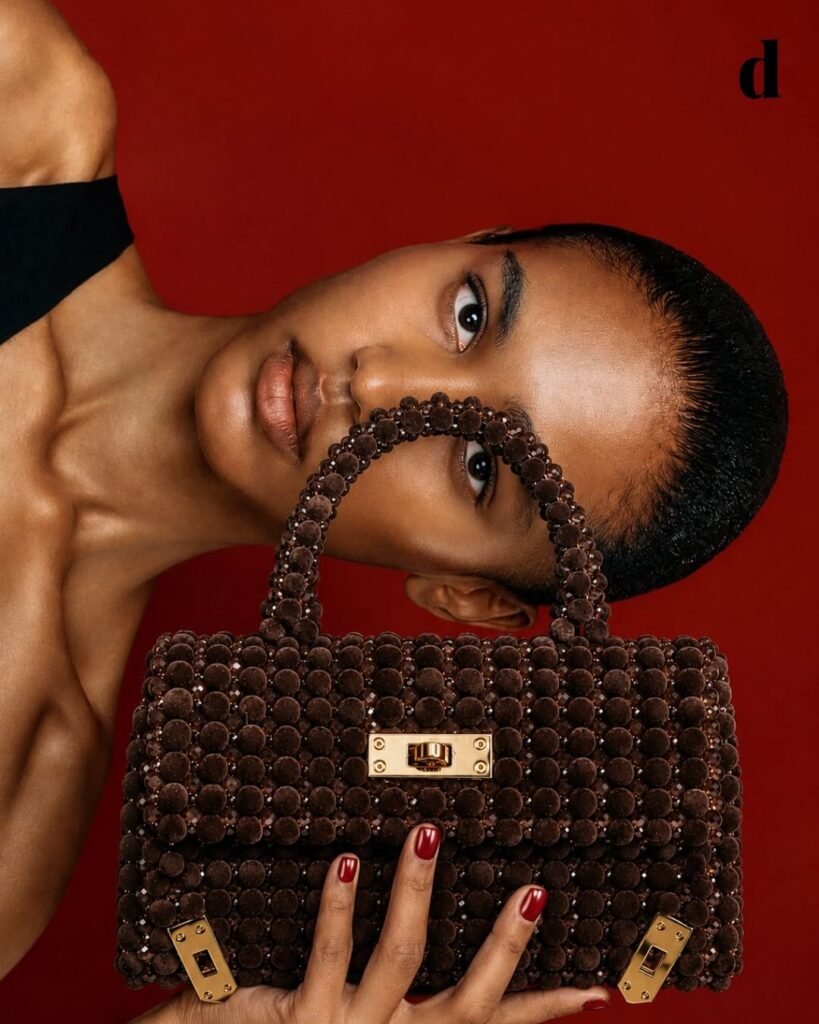
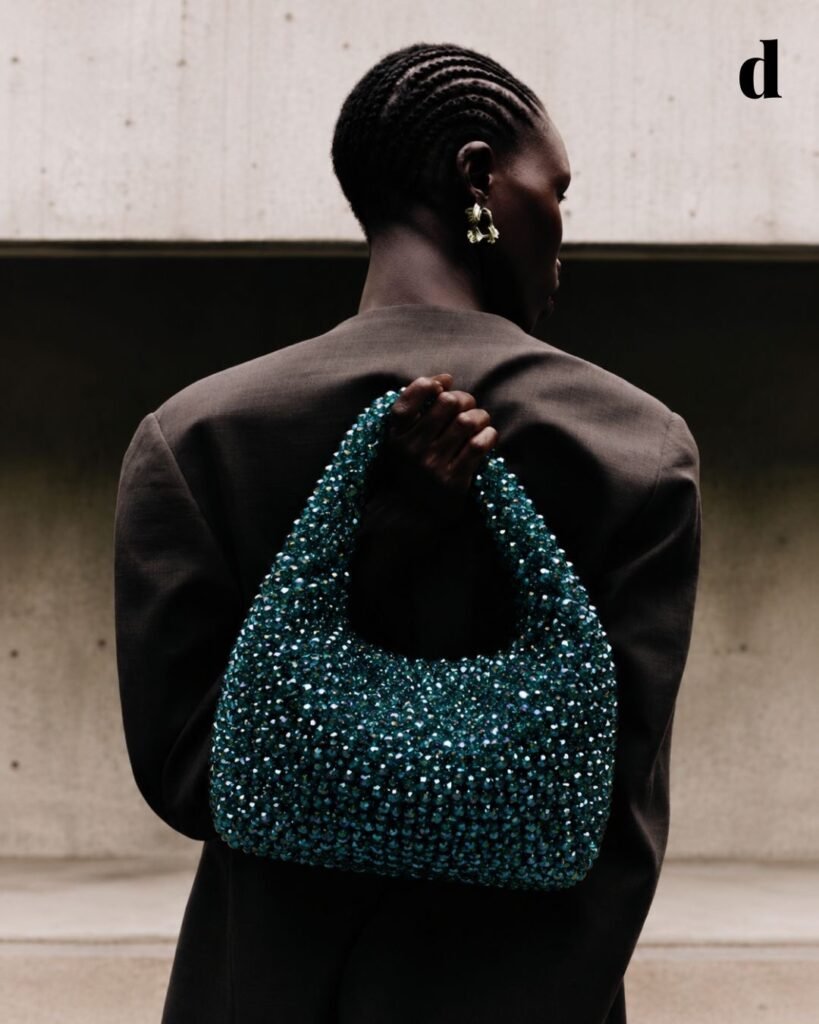
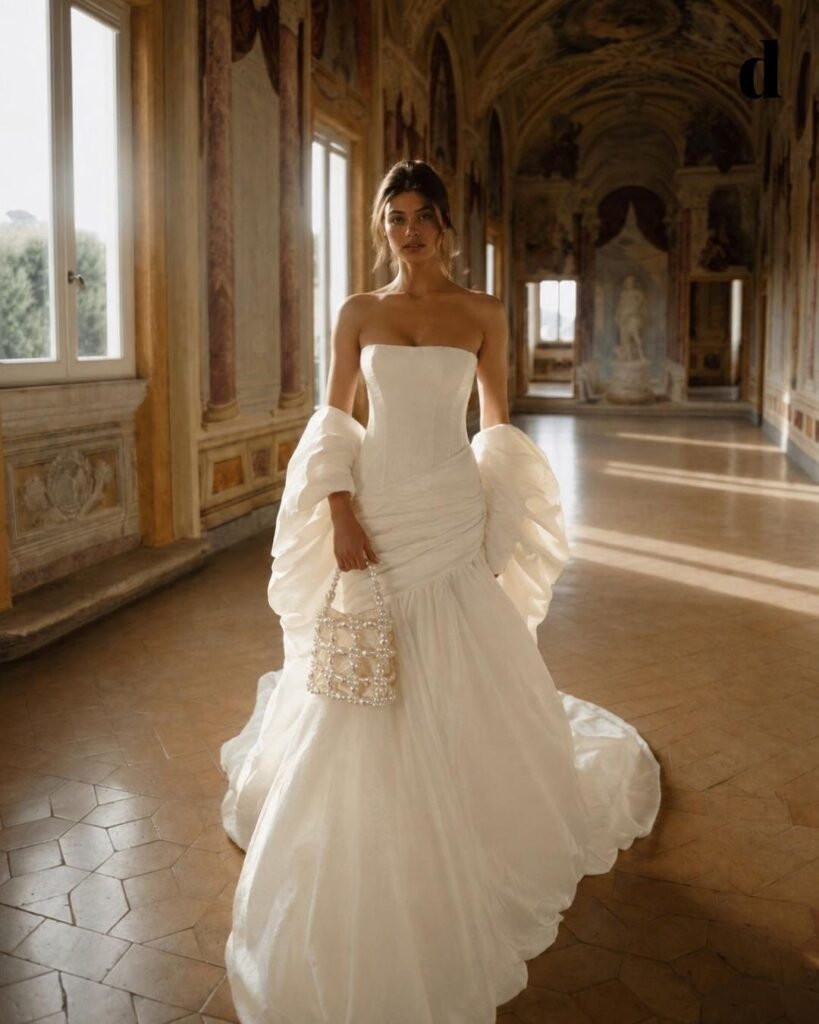
Monofilament is woven and knotted by hand before being combined with carefully selected materials including pearls, mother-of-pearl, wood, crystals and velvet. Each material presents a different texture and visual character, creating a dialogue between the unexpected and the luxurious.
The difference is part of the appeal.
Monofilament carries associations with fishing and technical value, while pearls and mother-of-pearl immediately evoke jewelry and the language of couture. Wood introduces an organic quality. Crystal brings light. Velvet promotes softness.
Together, they create handbags that occupy an unusual space between accessory, object and craft.
Rather than beginning with a familiar silhouette and adding embellishment, Atelier Emine approaches the handbag from its construction outward.
That difference matters.
In traditional industrial production, a design can be cloned with outstanding speed and consistency. Atelier Emine‘s process moves in the opposite direction. Every knot must be formed by hand, with the tension, direction and rhythm of the material determined through human touch.
The irregularities that can emerge through this process are not flaws to be excluded. They are evidence of craftsmanship.
The Luxury of Time
A single Atelier Emine handbag can take about three days to complete, depending on the design.
Three days may sound like a simple production detail, but in the context of todays fashion, it becomes something much larger.
Fashion has become used to to speed.
Collections arrive almost endlessly. Trends move through social media at outstanding speed. Products can be designed, manufactured and distributed on increasingly compressed timelines.
Atelier Emine offers another point of view: that time itself can be part of luxury.
When a handbag requires days of focused handwork, the finished object carries an invisible history. The hours spent creating every knot are no longer separate from the product. They are rooted within it.
The process becomes part of the value.
There is also something innately intimate about knowing that the structure of the handbag has passed through human hands. Every section of monofilament has been manipulated, tensioned and positioned rather than simply processed by a machine.
This gives Atelier Emine’s pieces a sense of presence.
They are not merely objects that have been manufactured.
They have been constructed.
A Different Idea of the Statement Handbag
For decades, the luxury handbag has often operated as a visual shorthand. A familiar silhouette, a noticeable monogram or a signature logo can immediately communicate the identity of a fashion house.
Atelier Emine approaches the idea of the statement handbag differently.
Its identity does not have to be announced through a unique logo.
Instead, it is visible in the construction.
Look closely and the language of the brand reveals itself through the knots, the transparency of the monofilament, the combination of natural materials, the tactile contrast between hard and soft surfaces, and the painstaking handwork behind every piece.
This makes the bags feel less like objects designed around branding and more like objects designed around authorship.
The designer’s hand becomes part of the signature.
That is particularly relevant at a moment when consumers are increasingly interested in craftsmanship, history and the story behind what they purchase. A luxury object can be desirable because it is recognizable, but it can also be desirable because it is difficult to reproduce.
Atelier Emine belongs to the latter conversation.
The Beauty of the Unexpected
Perhaps the most interesting aspect of Atelier Emine is the tightness between its materials.
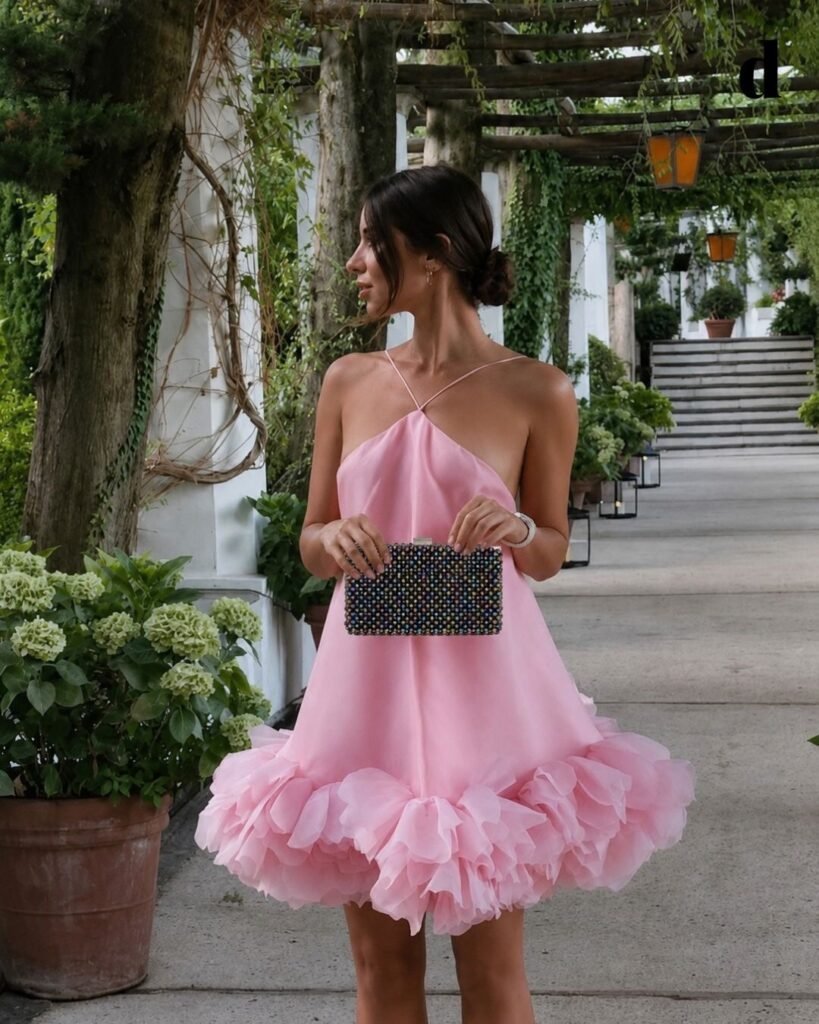
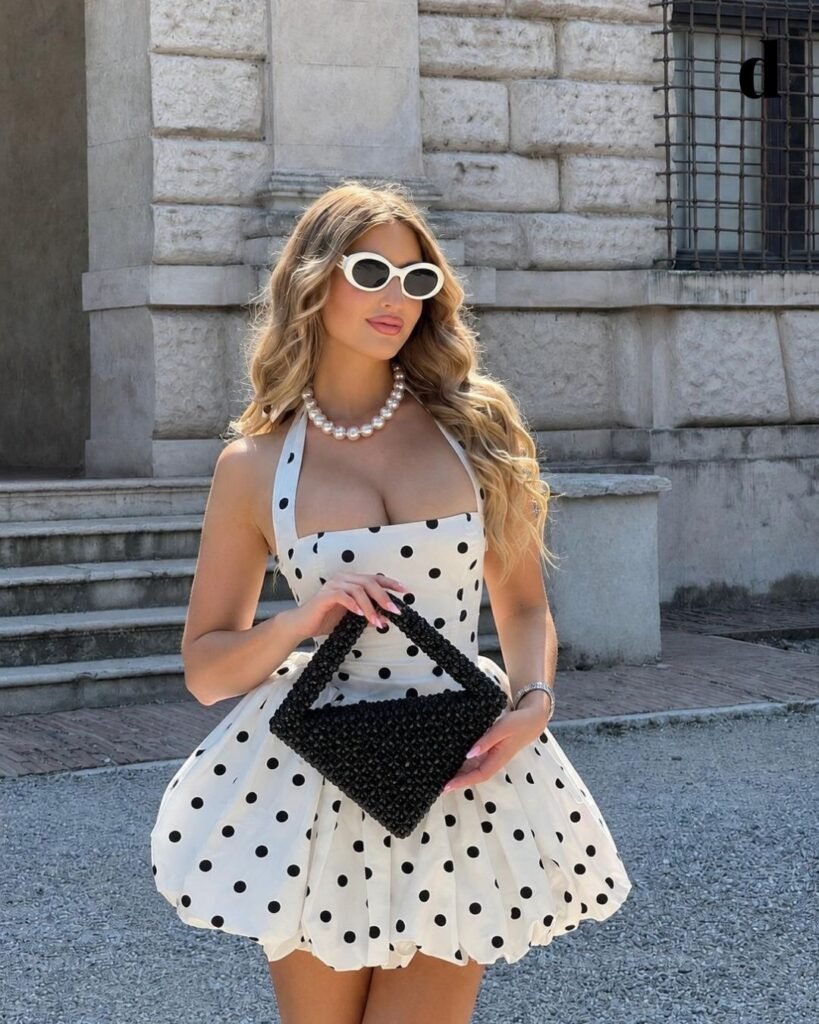
Monofilament is not an obvious couture material. It is technical, practical and associated with a working environment. Pearls and crystals, by opposition, belong to the visual vocabulary of ornamentation and luxury.
Putting them together creates a productive conflict.
The bags are delicate without being conventional.
Precious without relying just on traditional luxury materials.
Handcrafted without looking old-school.
There is also a sense of movement within the knotting itself. The repeated structures can create patterns and textures that make the surface feel almost fluid, an appropriate quality for a design thinking born from the sea.
The connection is subtle rather than literal.
Atelier Emine does not need to place an image of the ocean on a handbag to communicate its maritime origins. The sea is already present in the material and technique.
That makes the concept feel more polished.
From Function to Expression
The history of fashion is filled with examples of designers taking materials from everyday life and giving them a new context.
Atelier Emine continues that tradition, but its approach is especially personal because the material’s original purpose is connected to Tüncer’s family history.
A fishing material becomes a fashion material.
A maritime knot becomes couture craftsmanship.
A practical technique becomes an aesthetic language.
And something originally created to serve a function becomes an object designed to inspire emotion.
That transformation is at the heart of the label.
It also raises an interesting question about what we expect luxury to look like.
Does luxury have to begin with rare materials?
Or can luxury exist in the way an ordinary material is transformed?
Atelier Emine’s work suggests that craftsmanship can make the difference.
The monofilament itself is only part of the story. It is what Tüncer does with it and how she does it that gives it new meaning.
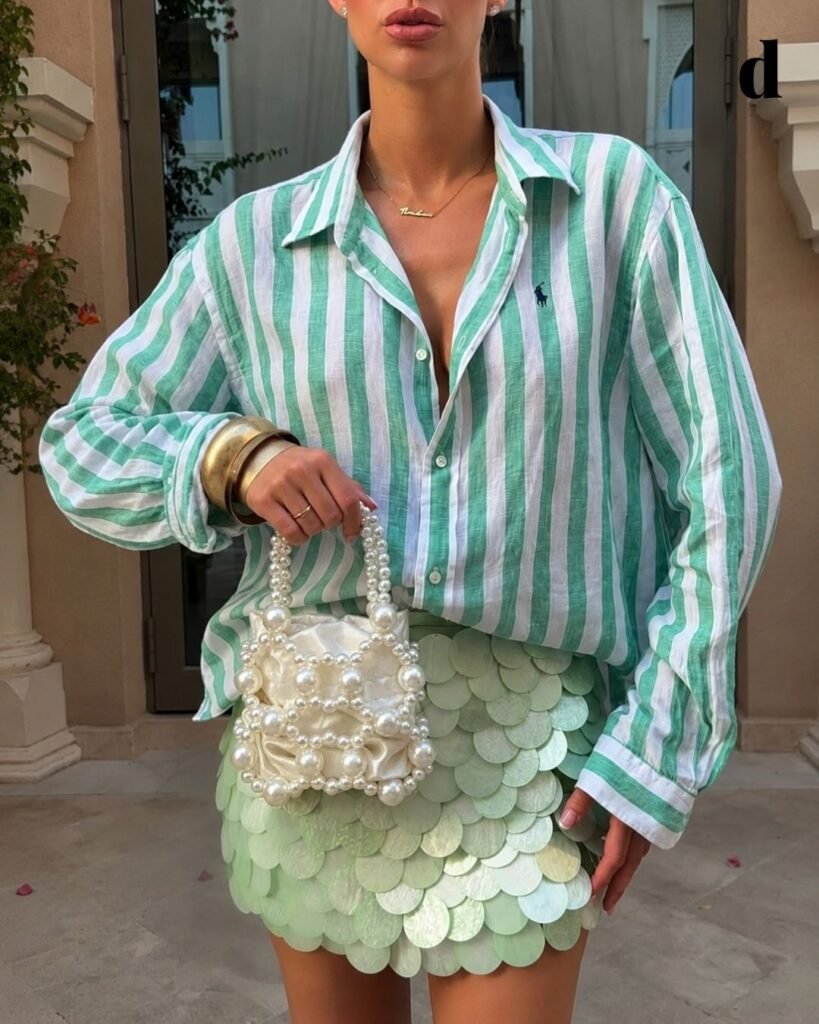
The Human Hand as a Signature
There is a certain intimacy in handmade fashion that becomes difficult to clone through industrial production.
When every knot is created by hand, the maker is not simply directing a process. The maker is actively shaping the final object.
Tension changes.
Rhythm changes.
The material responds.
The construction develops.
That human involvement is particularly important to Atelier Emine because the technique is inseparable from the identity of the handbag. If the knotting were removed, the design would basically change.
This is why the brand’s craftsmanship feels less like embellishment and more like architecture.
The knots hold the visual language together.
They create the structure.
They determine the rhythm of the surface.
They make the bag what it is.
In that sense, Atelier Emine‘s approach recalls the oldest understanding of craft: an object becomes valuable not simply because of the materials from which it is made, but because of the knowledge, skill and time required to transform those materials.
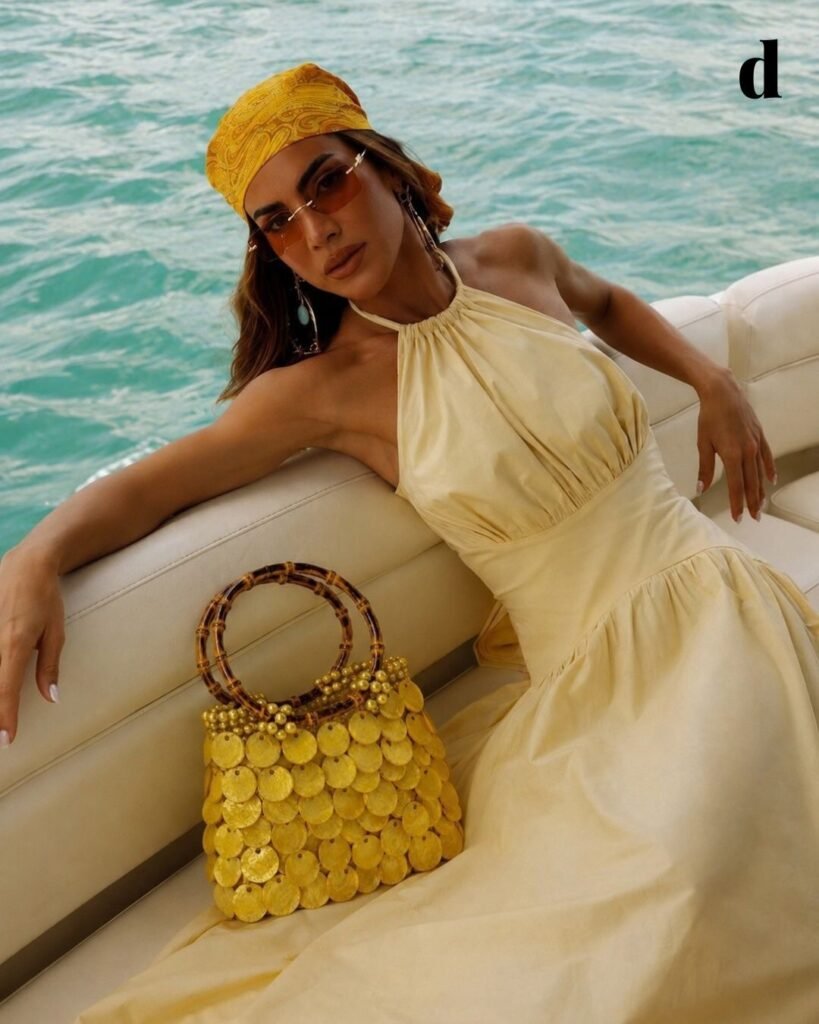
Why Atelier Emine Feels Different
Atelier Emine arrives at an interesting crossing of fashion and craft.
It is rooted in Istanbul, but its visual language is not limited to one geographical reference. The maritime inspiration gives the work a universal starting point, while the mixture of monofilament, natural materials and couture techniques gives it a distinctly present day identity.
Most importantly, the brand has a clear point of view.
The handbags are not attempting to imitate the vocabulary of established luxury houses. They are building another vocabulary.
One based on knots.
One based on texture.
One based on unexpected materials.
One based on the patience of the human hand.
That difference gives the collection its character.
In a market where many accessories can begin to feel identical, Atelier Emine’s loyalty to construction gives its handbags a reason to be looked at closely.
The closer you look, the more of the story becomes visible.
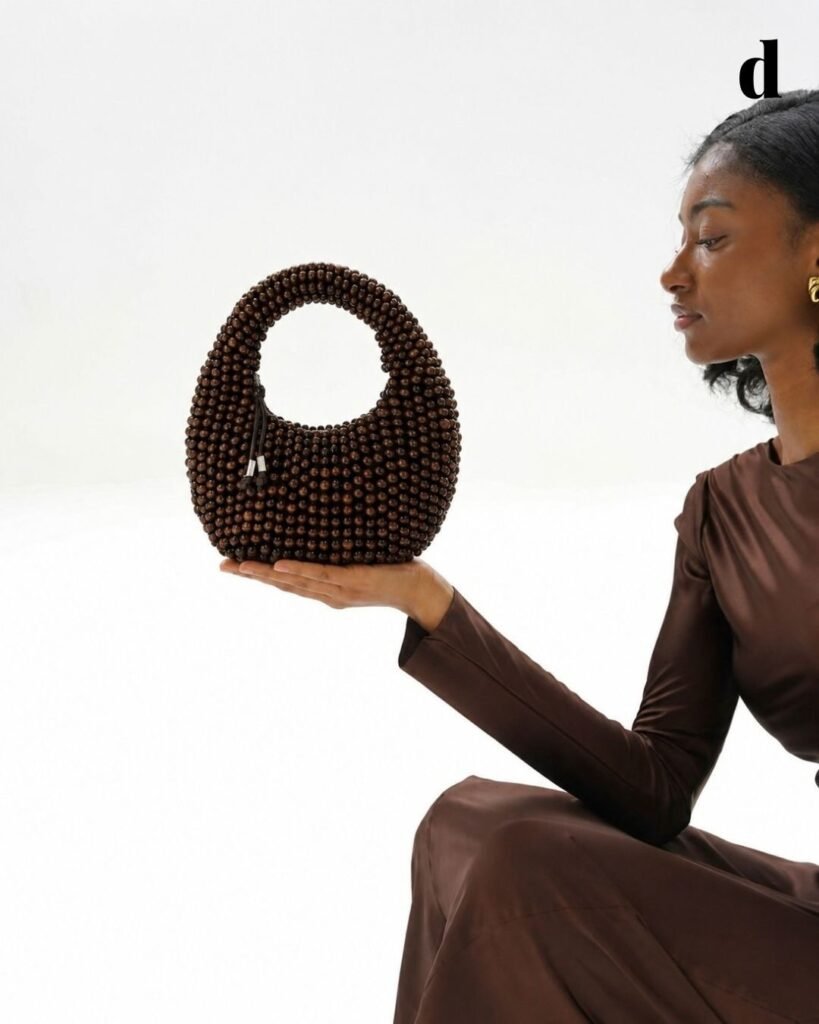
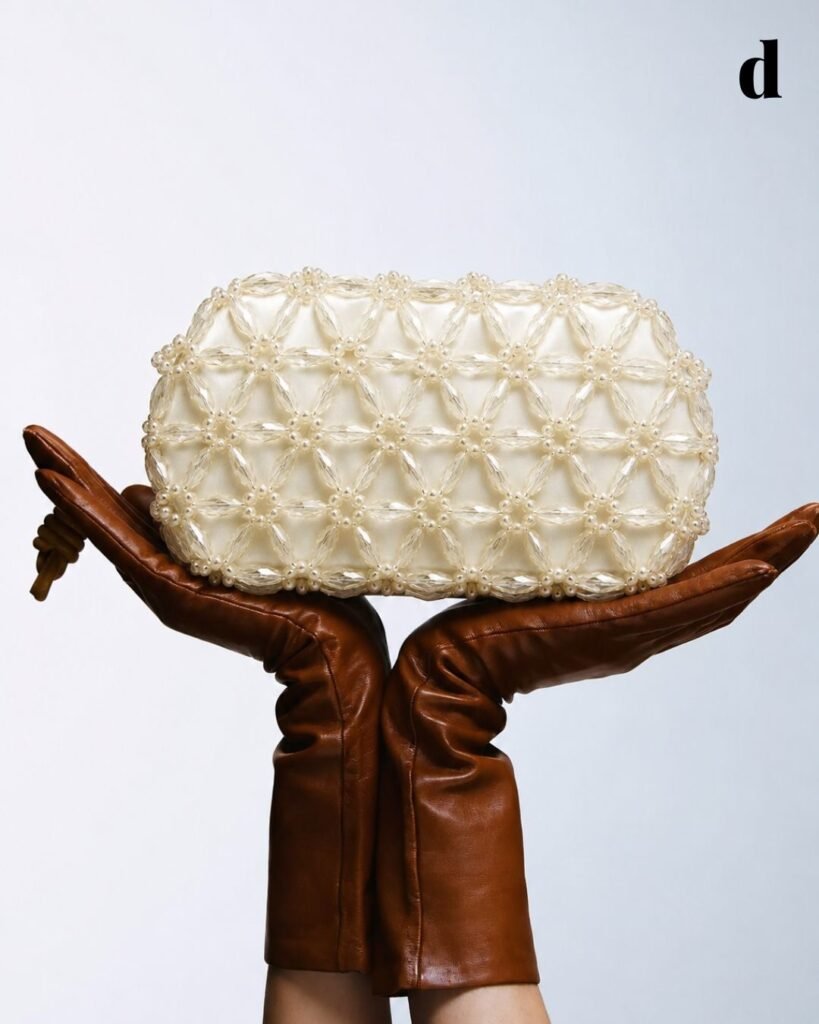
The Knots That Came From the Sea
There is something poetic about the journey of Atelier Emine’s signature material.
It begins in the sea, in the practical world of a fisherman.
It passes through the hands of a designer who grew up around it.
It is transformed through traditional knotting techniques.
Then, eventually, it arrives in the world of couture.
That journey is what makes Atelier Emine more than a handbag label built around an unusual material. It is a story about transformation of material, technique and memory.
The brand does not simply decorate handbags by hand.
It builds them by hand.
And that difference is essential.
Every knot represents a moment of labor. Every material combination reflects a decision. Every completed handbag carries traces of the process that created it.
In an era of increasingly accelerated fashion, Atelier Emine makes a case for slowing down and looking closer.
Because sometimes the most compelling luxury is not the loudest.
Sometimes it is found in the structure of an object, in the unexpected material, in the technique passed from one world into another and in the human hands that make it possible.
For Atelier Emine, the story began with the sea.
The knots simply found a new home in fashion.
Leave a Reply