

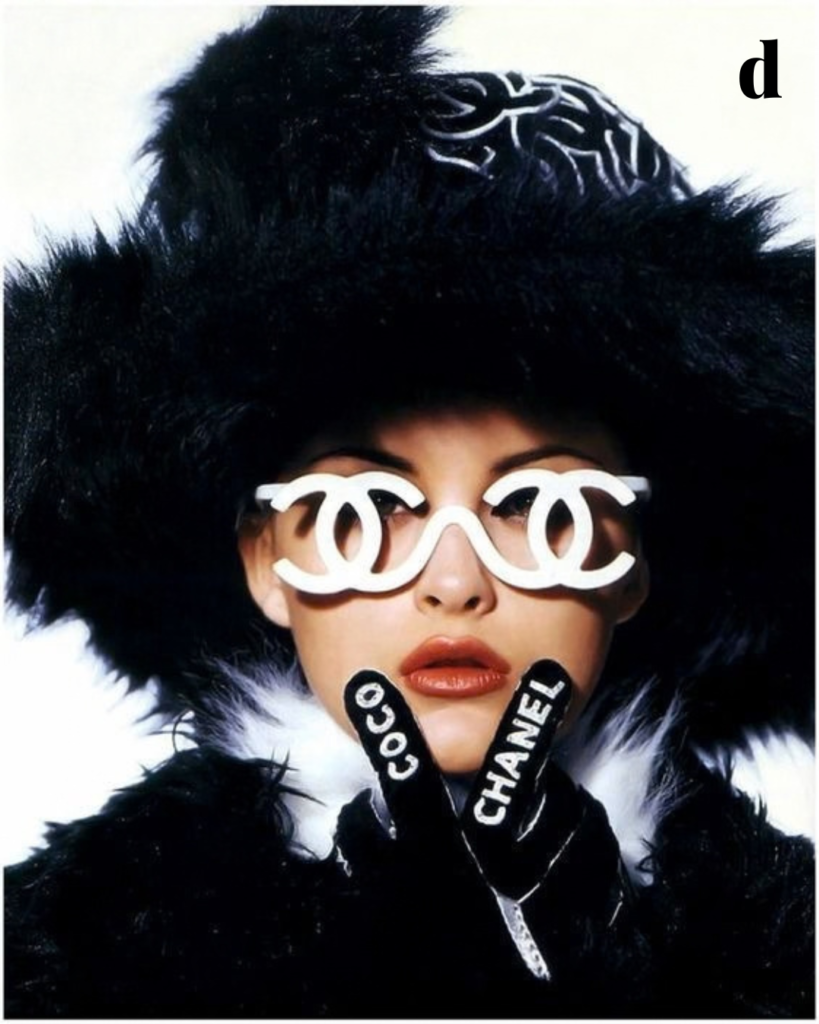

Few names in fashion carry the immediate power of Chanel.
The double C logo, the little black dress, the quilted handbag, the chain strap, the tweed jacket, the camellia, Chanel No. 5 and the unmistakable expression of black, white and gold have become more than recognizable fashion codes. They are symbols of modern luxury.
But Chanel was not born as the polished global luxury institution we know today. Its story began with a young French woman who grew up in poverty, spent part of her childhood in a convent, entered society through hats and eventually challenged the rules governing how women were expected to dress.
Gabrielle “Coco” Chanel did not simply design clothes. She engineered a new idea of the modern woman and then built a business around that idea.
More than a century later, the House she founded continues to evolve. Under Karl Lagerfeld, Chanel became one of the most striking fashion brands of the modern era. Virginie Viard guided it through the difficult transition following Lagerfeld’s death. And in the 2020s, Matthieu Blazy has begun writing another chapter.
Yet Chanel’s history is not without conflicts. Behind the legend of Coco Chanel lies a complex story involving purpose, wealth, powerful lovers, business disputes, antisemitism, Nazi associations and wartime collaboration.
To understand Chanel is therefore to understand both the exceptional genius of its founder and the complicated history surrounding the woman behind the myth.
Gabrielle Chanel: The Girl Who Became Coco

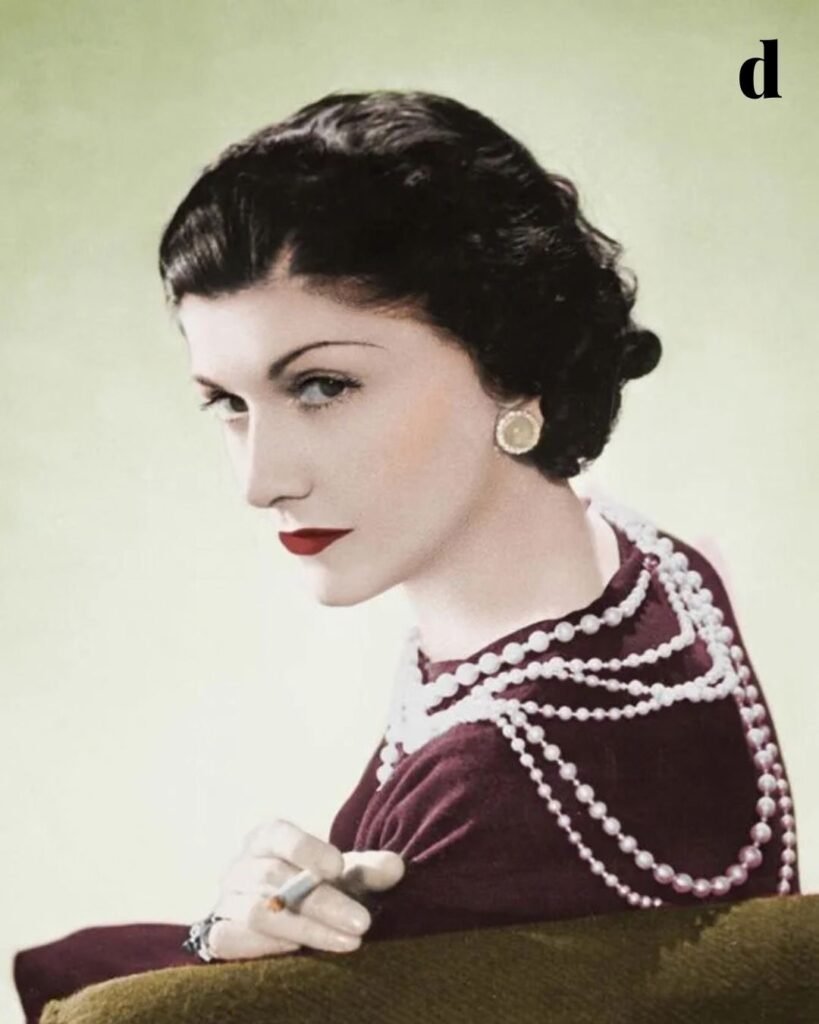
Gabrielle Chanel was born in 1883 in Saumur, France.
Her childhood was marked by poverty and instability. Following the death of her mother, Gabrielle was sent to the Aubazine convent, where she spent formative years surrounded by the austere environment of religious life.
The transparency of the convent would later be reflected, consciously or automatically, in her aesthetic. Clean lines, monochrome colors and disciplined silhouettes would become fundamental to Chanel’s visual language.
Her early adulthood was less predictable.
Gabrielle briefly performed as a singer in cafés and developed connections with wealthy men who would become important to her social and professional advancement. It was during this period that she acquired the nickname “Coco,” although the precise origins of the name remain debated.
Her transformation from entertainer to designer began with hats.
In 1910, she opened Chanel Modes, a hat boutique at 21 rue Cambon in Paris. Her hats were worn by actresses and fashionable women, helping establish her reputation.
This was the beginning of Chanel as a fashion house.
But the real breakthrough was still to come.
The Jersey Revolution
At the beginning of the twentieth century, women’s fashion was still heavily structured around corsetry, elaborate decoration and limiting silhouettes.
Chanel handled clothing differently.
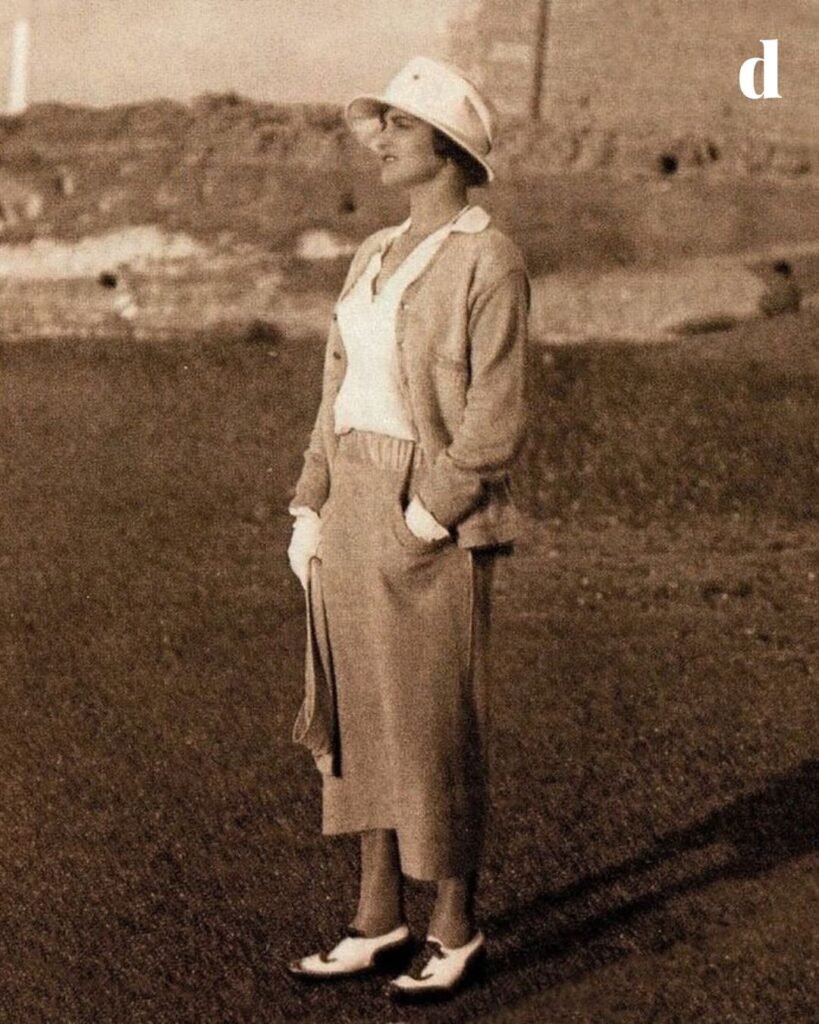
She became fascinated with movement, comfort and the relationship between clothes and the body. Rather than treating women’s fashion as a display of decoration, she increasingly approached it as something women should actually be able to live in.
In Deauville, where Chanel opened a boutique in 1912, she began selling sportswear made from jersey a fabric associated largely with men’s underwear at the time.
The choice was revolutionary.
Jersey was comfortable, practical and affordable. Chanel transformed an ordinary material into a luxury-fashion statement.
The effect was revolutionary.
She demonstrated that elegance did not necessarily require stiffness, excessive decoration or discomfort.
That mindset would become one of the foundations of Chanel.
Biarritz and the Birth of a Couture House

In 1915, Chanel opened her first couture house in Biarritz.
The timing was meaningful. Europe was in the middle of the First World War, and traditional social systems were beginning to change. Women were increasingly entering workplaces and taking on duties that had previously belonged largely to men.
Fashion had to change with them.
Chanel understood that transformation.
In 1918, she established herself at 31 rue Cambon in Paris. The building would eventually become one of the most famous addresses in fashion. The boutique, salons, workshops and Chanel‘s private apartment created a world in which the designer’s personal life and professional identity became almost inseparable.
The Chanel aesthetic was becoming recognizable.
Simple.
Luxurious.
Sporting.
Masculine and feminine at once.
And increasingly, unmistakably Chanel.
Chanel No. 5 Changes Everything
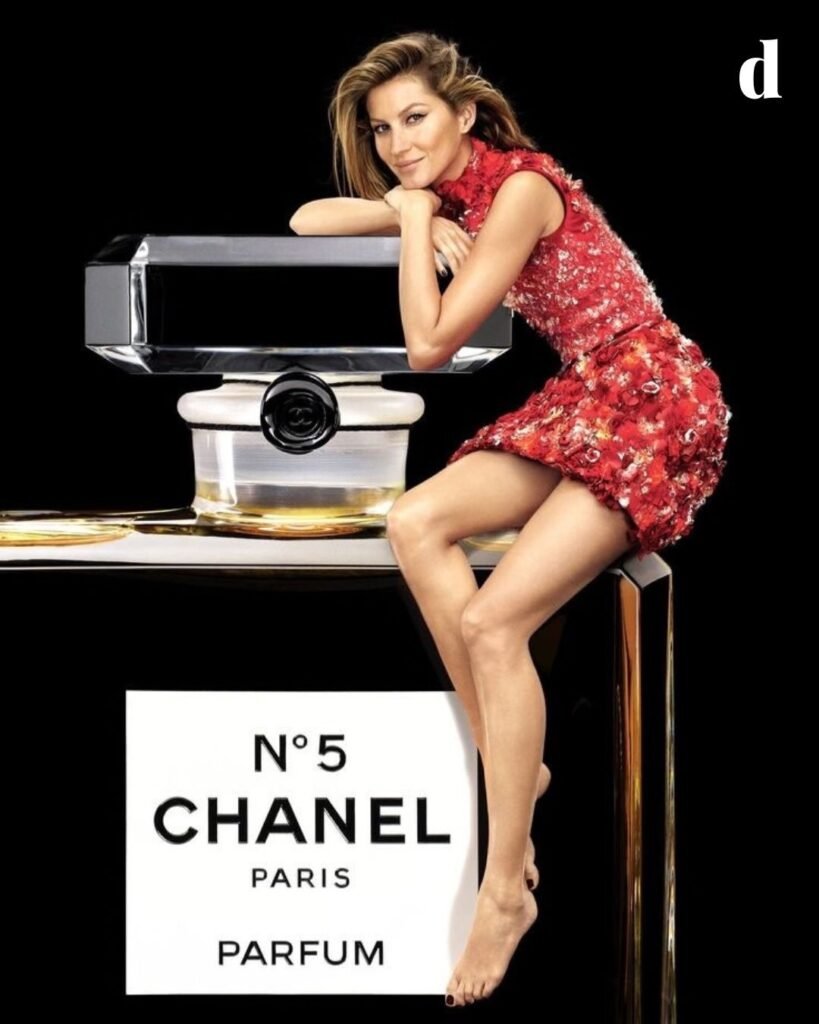
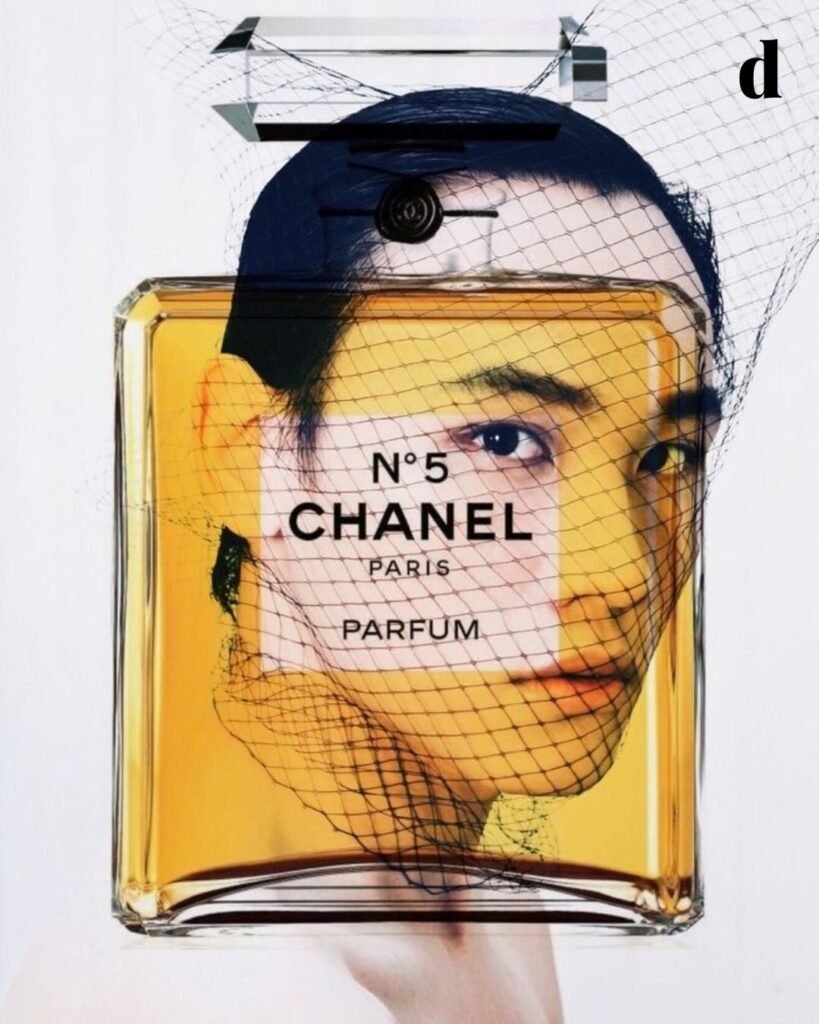
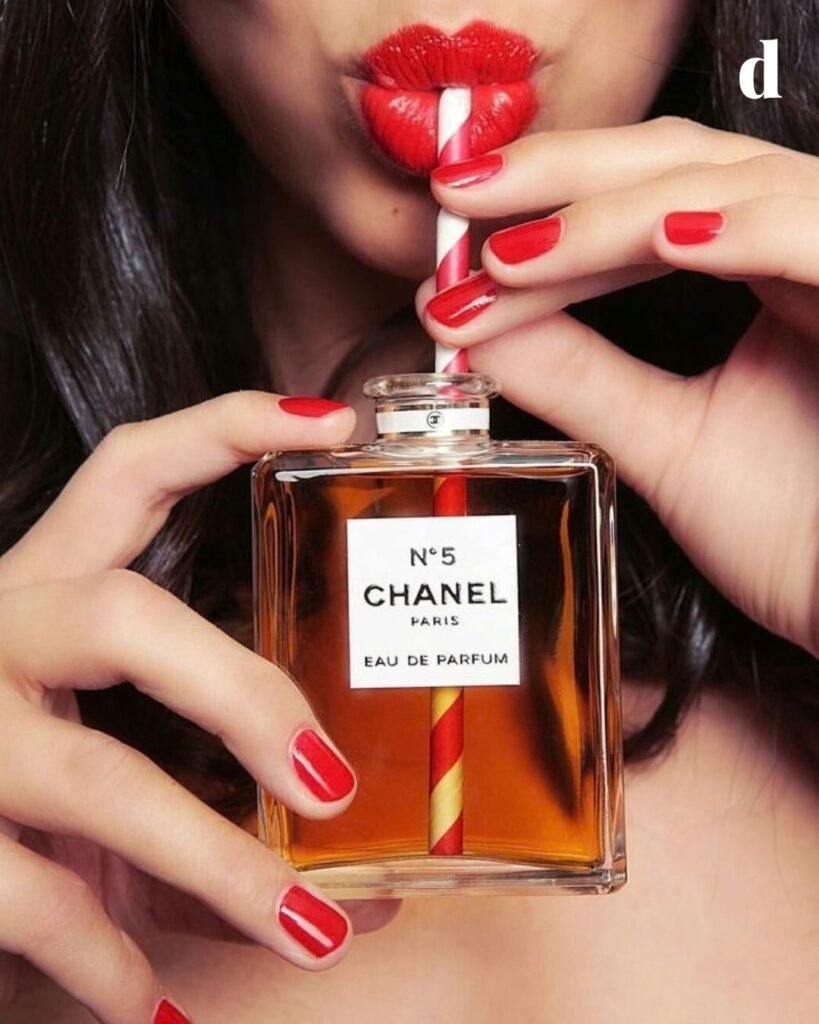
If Chanel’s clothing established her as an influential designer, Chanel No. 5 transformed her into something much larger: a luxury entrepreneur.
In 1921, Gabrielle Chanel collaborated with perfumer Ernest Beaux to create her first fragrance.
Chanel No. 5 was not like your typical fragrances of the period. Its complex composition and minimalist presentation challenged the conventions of traditional perfumery.
The bottle was equally important.
Rather than creating an excessively ornate object, Chanel embraced a restrained, almost architectural design.
The name itself was simple: No. 5.
And the strategy was brilliant.
Chanel understood that a fashion house could sell an entire lifestyle rather than simply clothing. A customer who could not afford a couture gown could still purchase Chanel perfume.
This was an early example of the luxury brand space that would eventually become standard across the fashion industry.
Building the Chanel Business
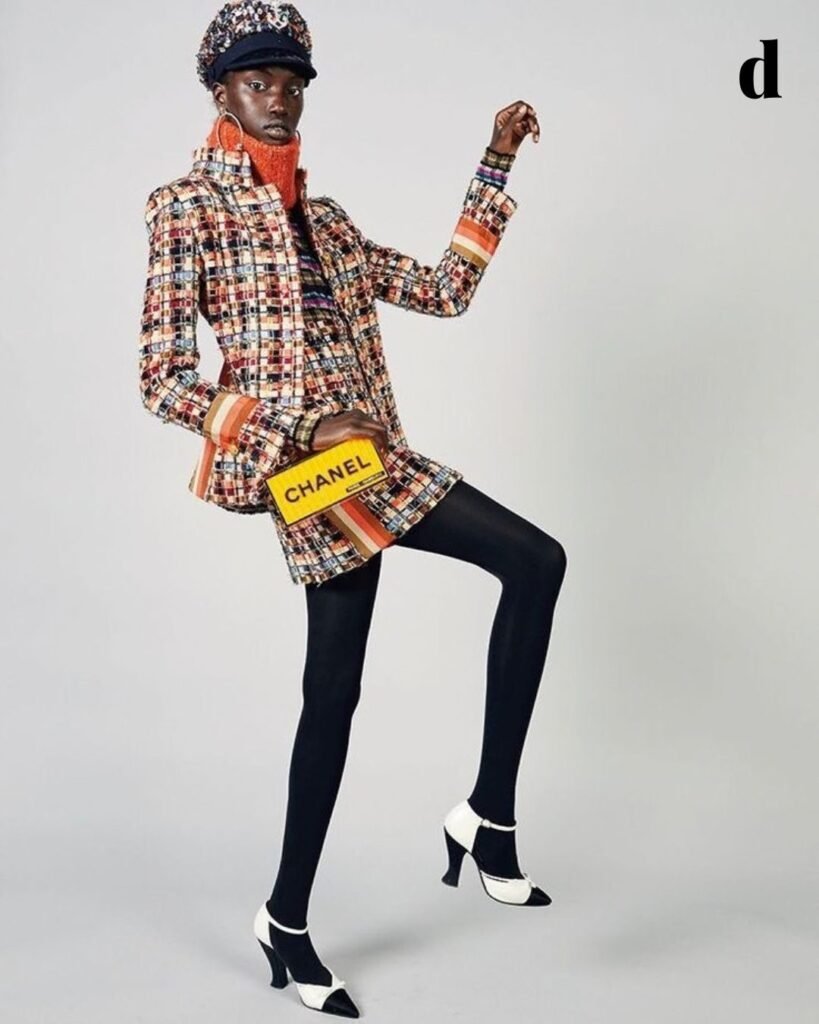
In 1924, the Société des Parfums CHANEL was established to produce and commercialize fragrances and cosmetics.
This was also when the Wertheimer family became central to Chanel’s business story.
Pierre and Paul Wertheimer provided the production and commercial system necessary to develop Chanel’s fragrance business on a much larger scale.
The agreement became one of the most ensuing and contentious business relationships in luxury history.
Chanel reportedly received only a relatively small share of the profits from No. 5 under the original arrangement, while the Wertheimers controlled the fragrance company and manufacturing.
The relationship would become increasingly tense.
Gabrielle Chanel repeatedly sought better financial terms and spent years trying to regain greater control over the perfume business.
As fate would have it, the Wertheimer family would ultimately become the owners of Chanel as we know it today.
The perfume that once created tension between Chanel and the Wertheimers became one of the foundations of their expansive luxury empire.
The Little Black Dress
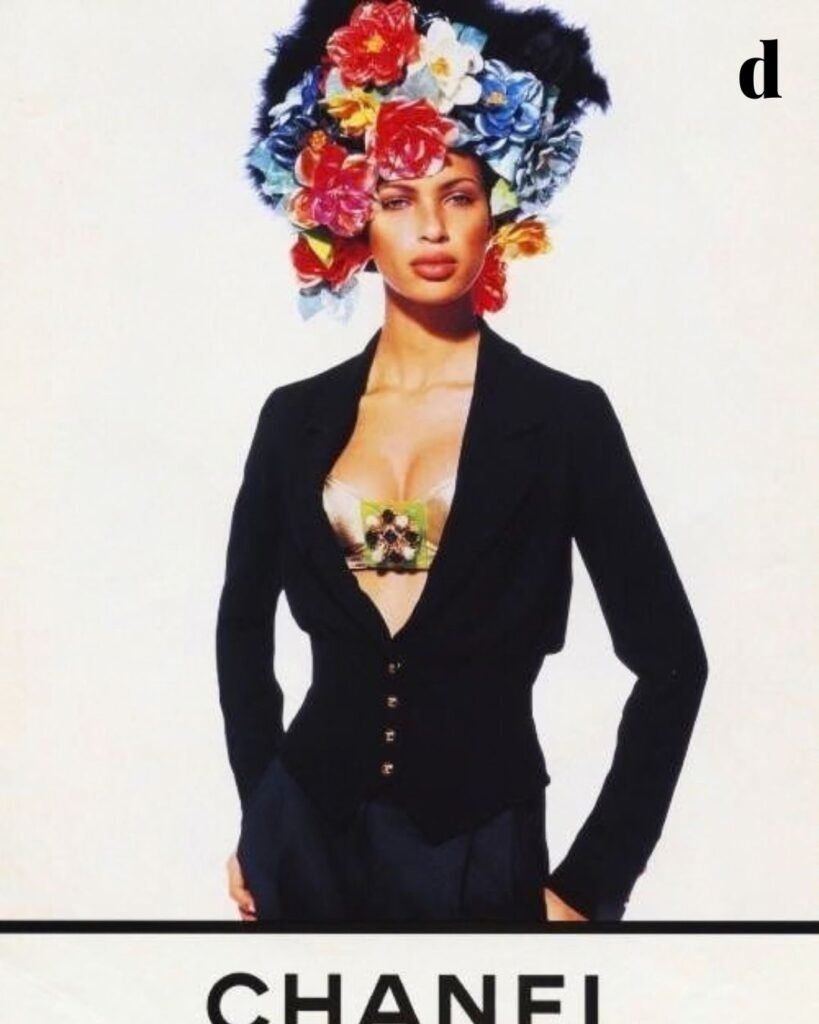
In 1926, Vogue published an illustration of a Chanel black dress and famously compared its potential global presence to the automobile.
The little black dress became one of Chanel’s defining inputs to fashion.
Black had traditionally carried associations with mourning and practicality. Chanel transformed it into a color of elegance.
The genius was not merely the color.
It was the idea that simplicity could be luxurious.
The Chanel woman did not need layers of decoration to announce her status.
She could walk into a room wearing a simple black dress and still command attention.
That concept remains fundamental to modern fashion.
The Chanel Suit
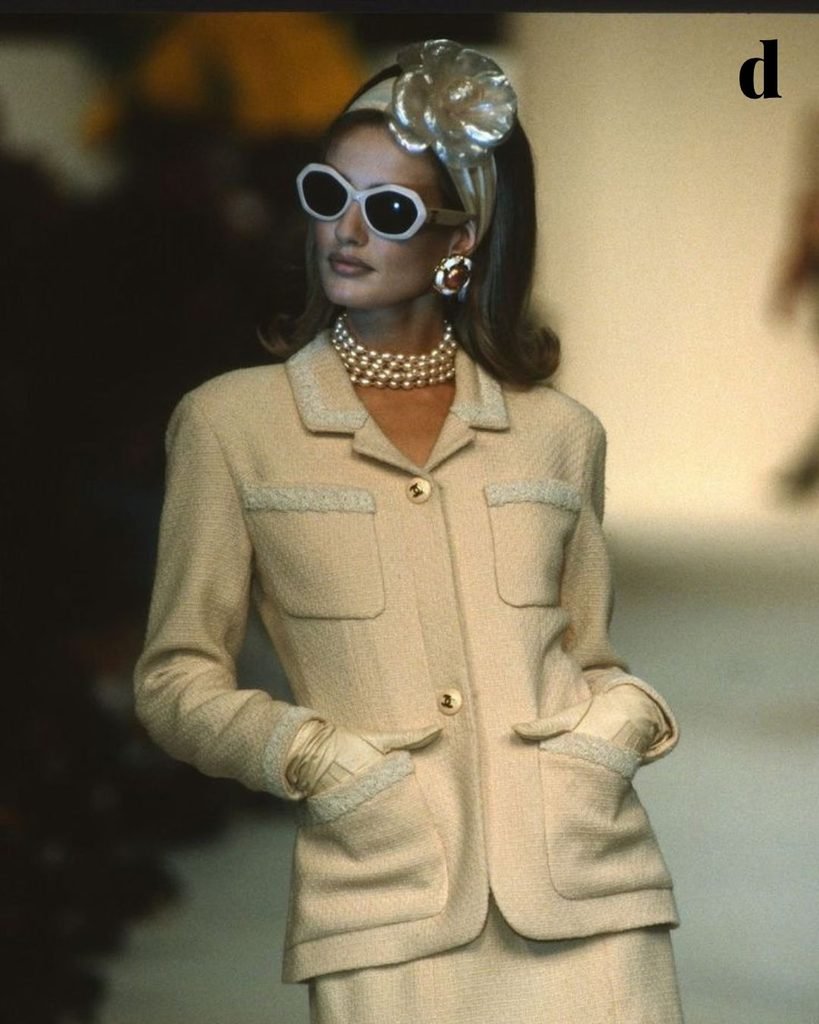
The Chanel suit became another pillar of the house.
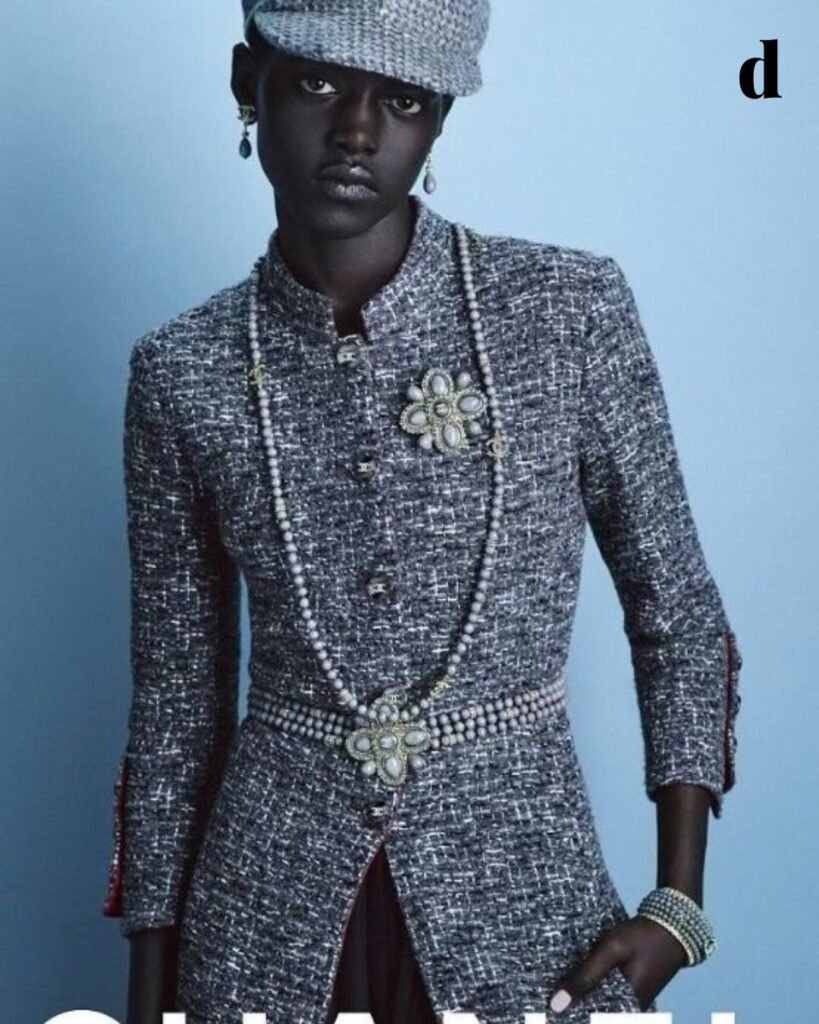
Drawing from menswear, military references and sportswear, Chanel created a notable silhouette built around a relatively relaxed jacket and skirt combination.
The jacket’s braid trim, buttons and structured but comfortable construction eventually became instantly recognizable.
It represented something larger than clothing.
The Chanel woman could look polished without appearing trapped by her clothes.
This was particularly significant during an era when women’s fashion was still deeply connected to social prospects about femininity.
Chanel was offering another prospect.
Elegance could coexist with independence.
Chanel and the World of Art

Chanel’s influence extended beyond fashion.
She developed relationships with artists, writers, composers and performers. She designed costumes for theatrical and ballet productions and became part of the outstanding artistic circles surrounding Paris during the early twentieth century.
Her connections included figures such as Pablo Picasso, Jean Cocteau and Sergei Diaghilev.
Fashion, for Chanel, was never detached from culture.
This would later become a defining feature of the House.
Chanel would increasingly operate at the intersection of fashion, cinema, photography, art and celebrity culture.
The Darker Side of Gabrielle Chanel

The tradition surrounding Coco Chanel often highlights her independence and extraordinary rise from poverty.
But the historical record is more complicated.
Chanel‘s relationships with wealthy and politically powerful men helped shape her career. Her views on Jews and other groups have also been examined by historians, particularly in connection with her activities during the Second World War.
During the German occupation of Paris, Chanel lived at the Ritz and became romantically involved with Hans Günther von Dincklage, a German intelligence officer.
Declassified documents and historical research have provided evidence of Chanel’s involvement with German intelligence. She was registered as an Abwehr agent under the code name “Westminster” in 1941.
Her wartime activities remain one of the most controversial chapters in the history of the House.
There was also a business aspect.
Because the Wertheimer family was Jewish, Chanel tried during the Nazi occupation to use Germany’s “Aryanization” policies to gain control of the perfume business.
The Wertheimers had already transferred control of the perfume company to a non-Jewish businessman before leaving France, stopping Chanel from taking ownership through those laws.
After the liberation of Paris, Chanel was questioned about her wartime associations but was not prosecuted as a collaborator. She later spent years in Switzerland.
These facts complicate the familiar image of Coco Chanel as simply a rebellious feminist icon.
Her story contains both remarkable achievement and deeply troubling contradictions.
A responsible history of Chanel cannot separate the brilliance of the designer from the choices made by the woman.
The Return of Chanel
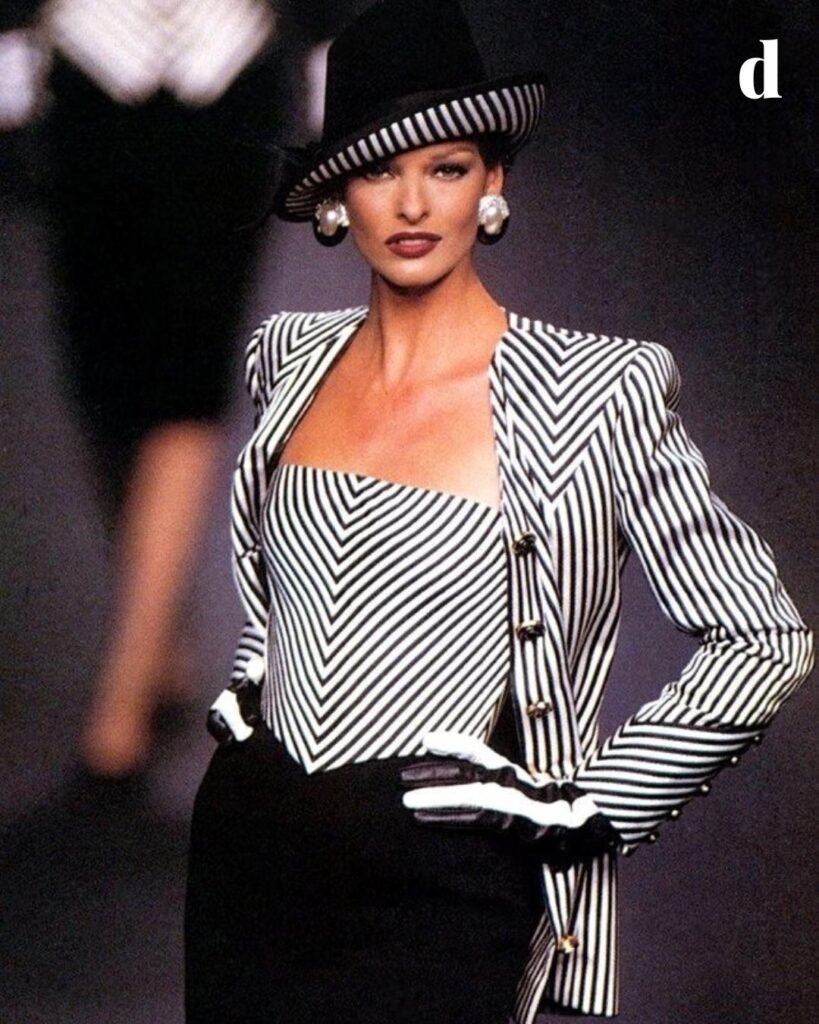
After the war, Chanel’s reputation had suffered.
Christian Dior and the New Look had transformed women’s fashion, bringing back highly feminine silhouettes with cinched waists and voluminous skirts.
Chanel at first appeared to belong to another era.
But in 1954, at the age of 71, she returned to fashion.
The response in France was initially mixed. Yet Chanel’s clothing found an excited audience internationally, particularly in the United States.
The Chanel suit became increasingly associated with elegant women, celebrities and political figures.
One of the most famous examples came in 1963, when First Lady Jacqueline Kennedy was photographed wearing a pink Chanel style suit during a trip to Dallas.
The image would become part of fashion and political history.
Chanel was once again relevant.
The Chanel Bag


The house’s accessories became increasingly important to its identity.
The 2.55 handbag, introduced in 1955, combined practicality with luxury. Its chain strap allowed women to carry the bag over the shoulder, freeing their hands.
It was a seemingly simple invention, but it reflected Chanel’s broader viewpoint.
Luxury should not necessarily restrict movement.
The quilted surface, chain, burgundy lining and custom design gradually became part of Chanel’s visual vocabulary.
Later editions would incorporate the engaging CC logo, which became one of the most recognizable symbols in luxury fashion.
The handbag would eventually become more than an accessory.
It became an investment object, a status symbol and one of the foundations of Chanel’s modern commercial power.
Coco Chanel’s Final Years

Gabrielle Chanel continued working until the end of her life.
She remained closely associated with 31 rue Cambon and the Chanel aesthetic.
She died on January 10, 1971, at the Hôtel Ritz in Paris.
Her death marked the end of the first chapter of Chanel.
But the House itself had to survive.
And surviving without its founder would prove difficult.
Chanel Before Karl Lagerfeld
Following Chanel’s death, the House entered a quieter period.
The brand continued producing fashion and fragrance, but its cultural energy had reduced.
By the early 1980s, Chanel was a legendary name whose greatest achievements were increasingly linked with the past.
Then came Karl Lagerfeld.
Karl Lagerfeld: The Man Who Resurrected Chanel
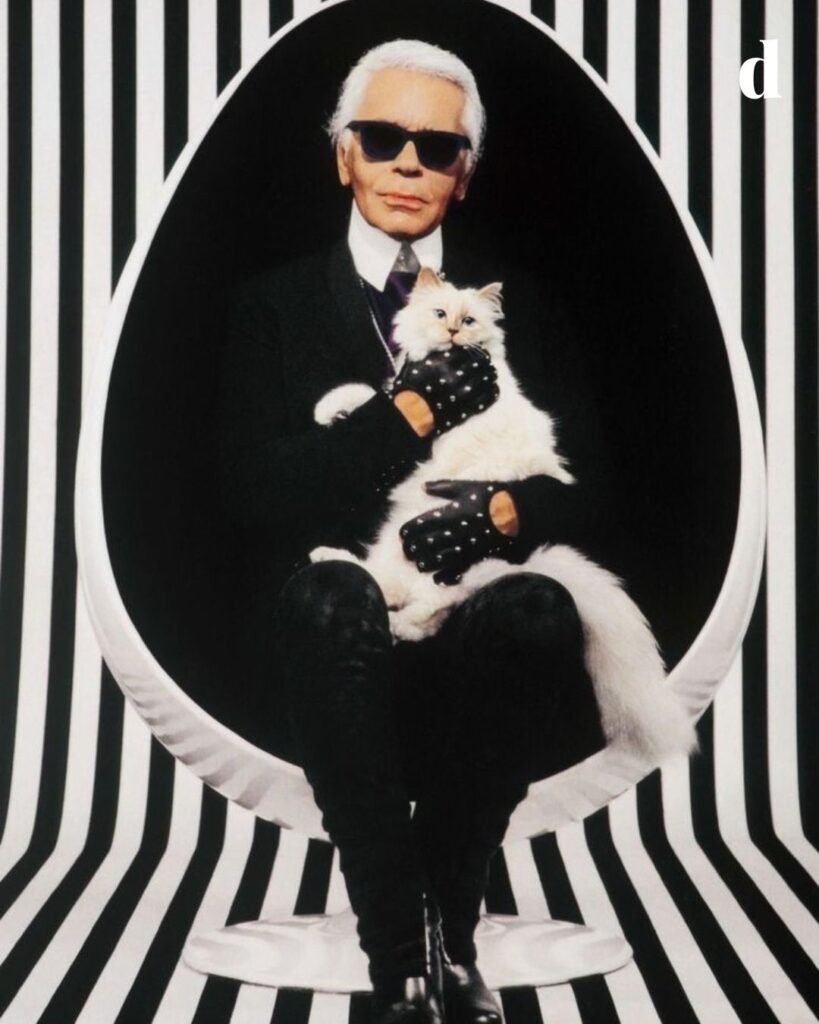
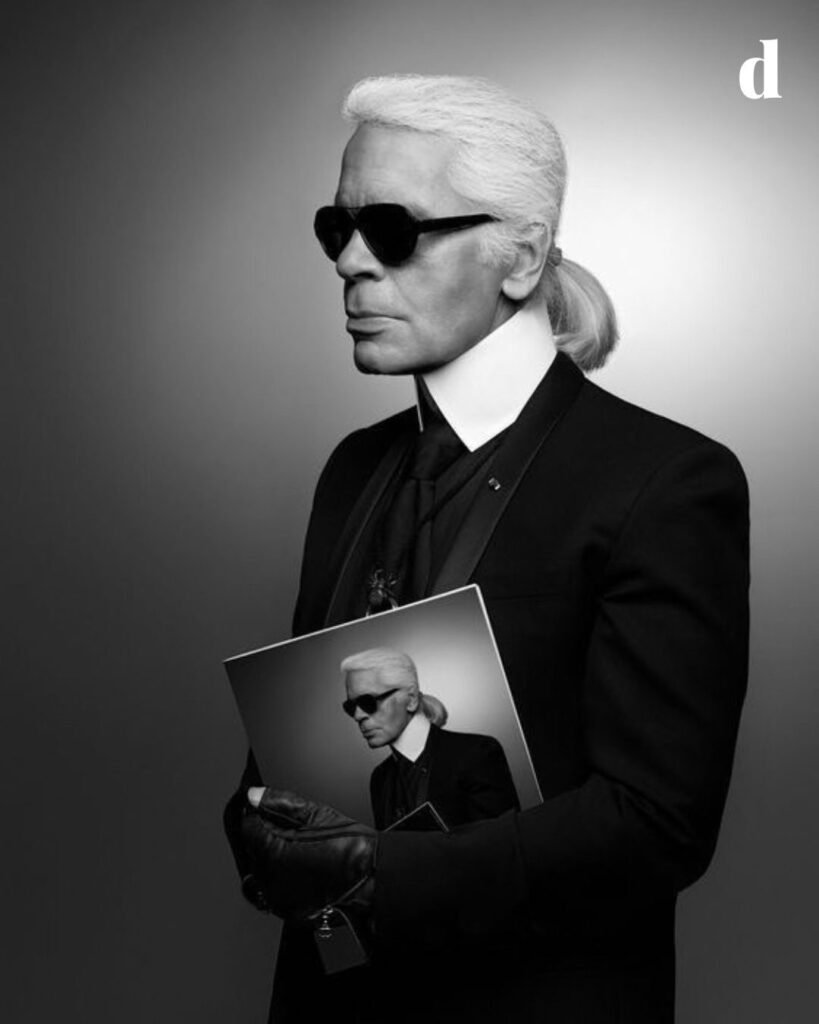
In 1983, Karl Lagerfeld was appointed artistic director of Chanel.
It was one of the most historic appointments in modern fashion.
Lagerfeld understood that Chanel could not simply reproduce Coco Chanel‘s wardrobe.
He had to make Chanel modern.
His solution was daring.
He took Chanel’s codes tweed, pearls, chains, camellias, quilting, black and white color combinations, gold hardware, the double C and changed them into a constantly changing visual language.
Under Lagerfeld, Chanel became theatrical.
Shows became events.
Advertising became culture.
The Chanel logo became globally recognizable.
And the house developed an exceptional ability to turn its own history into present day fashion.
Chanel itself credits Lagerfeld with reviving Cruise, introducing Métiers d’art and pre-collections, restoring Haute Couture and shaping the Ready-to-Wear business as we know it today.
This was not preservation.
It was reinvention.
Lagerfeld and the Supermodel Era

Lagerfeld also understood the power of image.
During the 1980s and 1990s, Chanel became deeply connected to the rise of the supermodel.
Models such as Claudia Schiffer, Linda Evangelista, Christy Turlington and Naomi Campbell became part of the fashion industry’s new celebrity system.
Lagerfeld himself became a celebrity.
The designer was no longer simply the person behind the clothes.
He was part of the brand.
His white hair, sunglasses, high collar and sharp wit became almost as recognizable as Chanel’s double C.
That relationship between designer personality and brand identity would influence fashion for decades.
Chanel Becomes a Luxury Empire
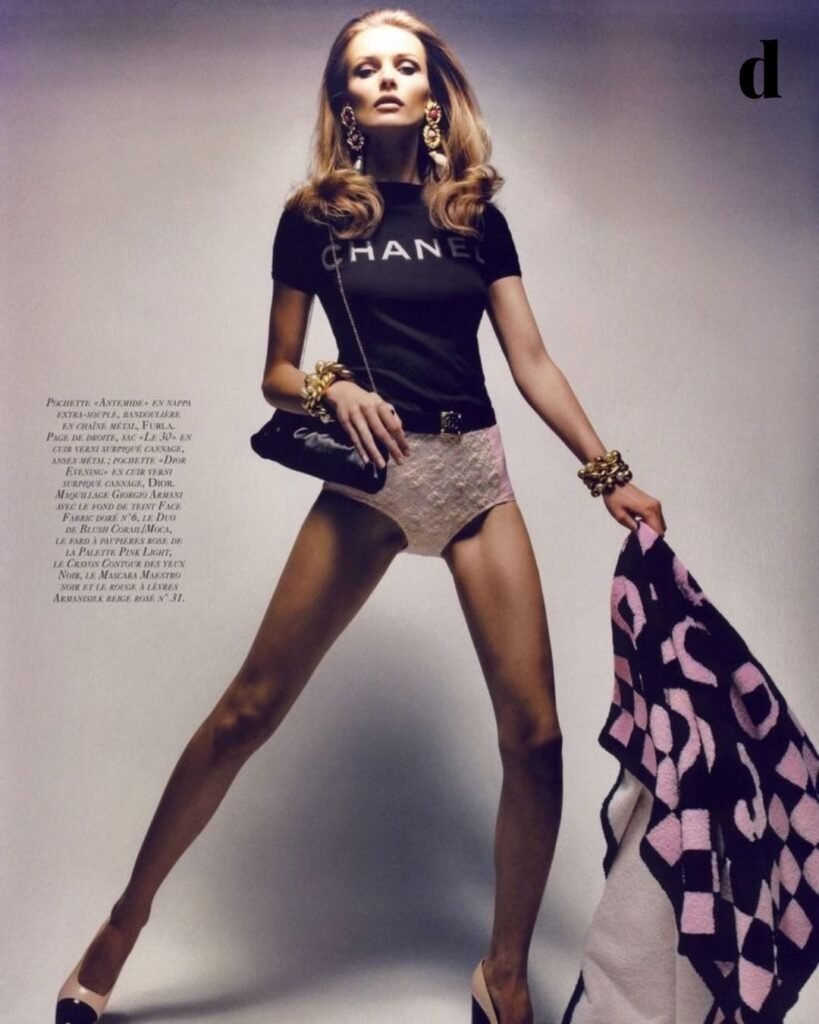
Lagerfeld’s Chanel was not simply a fashion house.
It was a growing luxury system.
The brand expanded aggressively across fashion, leather goods, fragrance, beauty, watches and jewelry.
In 1987, Chanel launched its watch business with the Première watch, whose design referenced the shape of the No. 5 bottle stopper and Place Vendôme.
Chanel also began acquiring specialist craft houses.
Desrues, a historic button and jewelry maker, became the first Métiers d’art house acquired by Chanel in 1985.
This strategy would become very important.
Chanel understood that luxury was not merely about a logo.
It was about preserving craftsmanship.
The Métiers d’Art Philosophy
One of Chanel’s most important longterm strategies has been its investment in specialized artisans.
Embroidery, featherwork, flowers, goldsmithing, buttons and other forms of craftsmanship are central to couture.
The House eventually developed a network of specialist craft companies and later created le19M, a Parisian creative hub devoted to artistic craftsmanship.
The project brings together multiple Chanel owned or affiliated métiers and was designed to preserve and develop specialist savoir-faire.
Today, Chanel’s Métiers d’art collections remain one of the House’s most defining annual expressions.
The collections allow Chanel to travel around the world while at the same time returning to its French craft heritage.
Chanel and Celebrity Culture
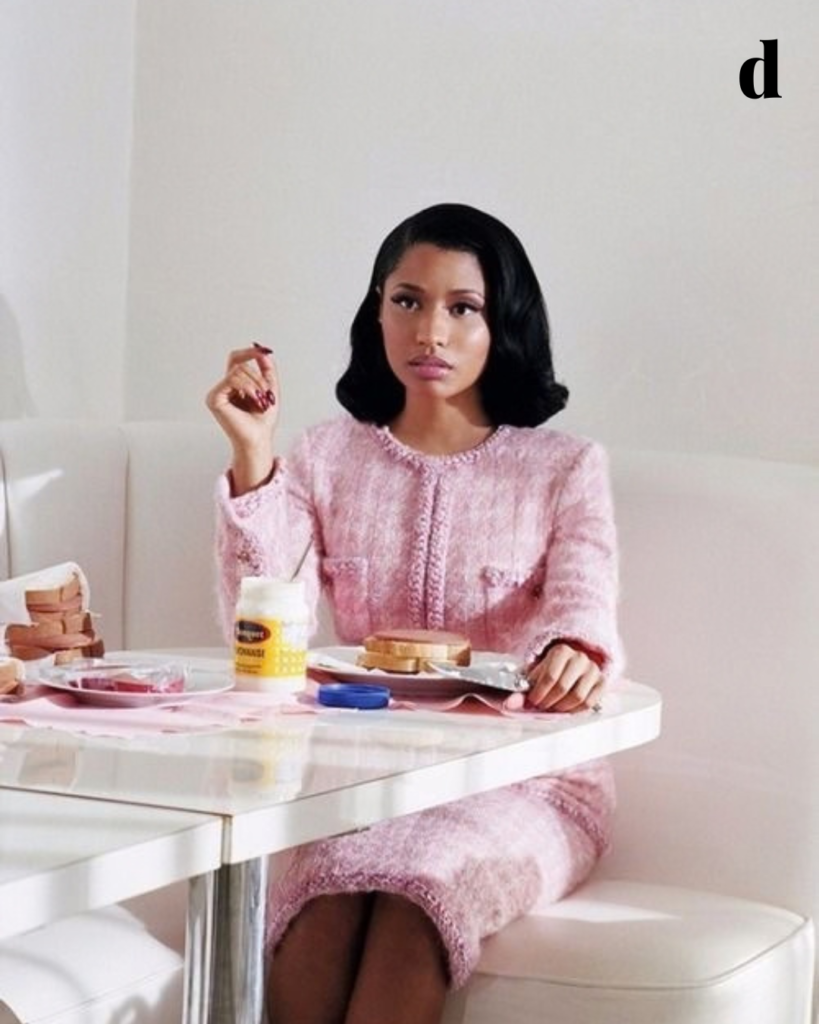
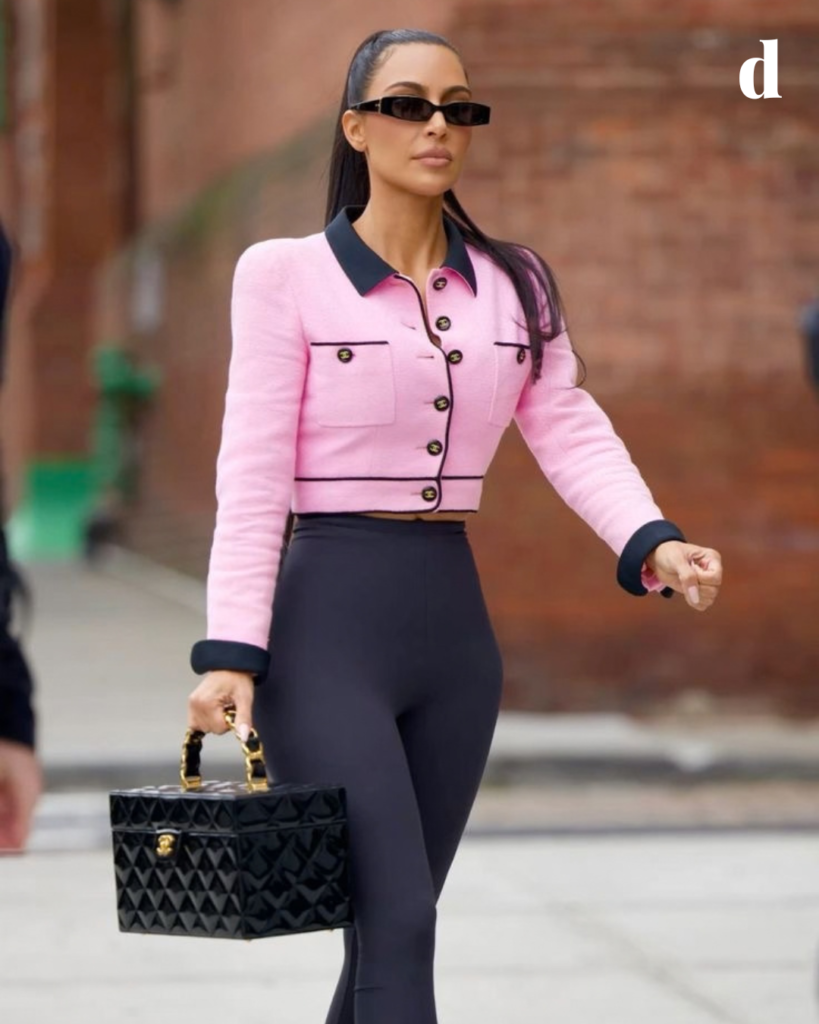
The House’s cultural influence grew rapidly during the late twentieth and early twenty first centuries.
Chanel became one of the brands most closely connected with celebrity dressing.
From Hollywood actresses to musicians and global fashion personalities, Chanel became a regular presence on red carpets and magazine covers.
The brand also mastered the art of the fashion campaign.
Photographers including Lagerfeld himself, Patrick Demarchelier, Mario Testino, Inez and Vinoodh and others helped establish a visual language in which Chanel could appear simultaneously luxurious, artistic and modern.
Chanel No. 5 became equally important to popular culture.
Its advertising campaigns increasingly imitated short films.
Celebrity ambassadors from Catherine Deneuve to Nicole Kidman, Brad Pitt and later Marion Cotillard helped maintain the fragrance’s position as a cultural icon.
Chanel’s Business Model

Chanel is unusual among the world’s largest luxury houses because it remains privately owned.
The Wertheimer family remains at the center of its ownership.
The company operates across several major categories:
- Haute Couture
- Ready-to-Wear
- Leather Goods
- Shoes
- Accessories
- Fragrance
- Makeup
- Skincare
- Watches
- Fine Jewelry
The House has intentionally maintained control over distribution and brand presentation.
Its fashion, watches and fine jewelry products are largely sold through Chanel-operated boutiques, while fragrance and beauty have a broader distribution network.
That control is essential to Chanel’s luxury strategy.
Scarcity matters.
Presentation matters.
The environment in which a customer encounters the product matters.
Chanel is therefore selling not simply handbags, dresses or perfume, but an entire experience.
The 21st Century Chanel
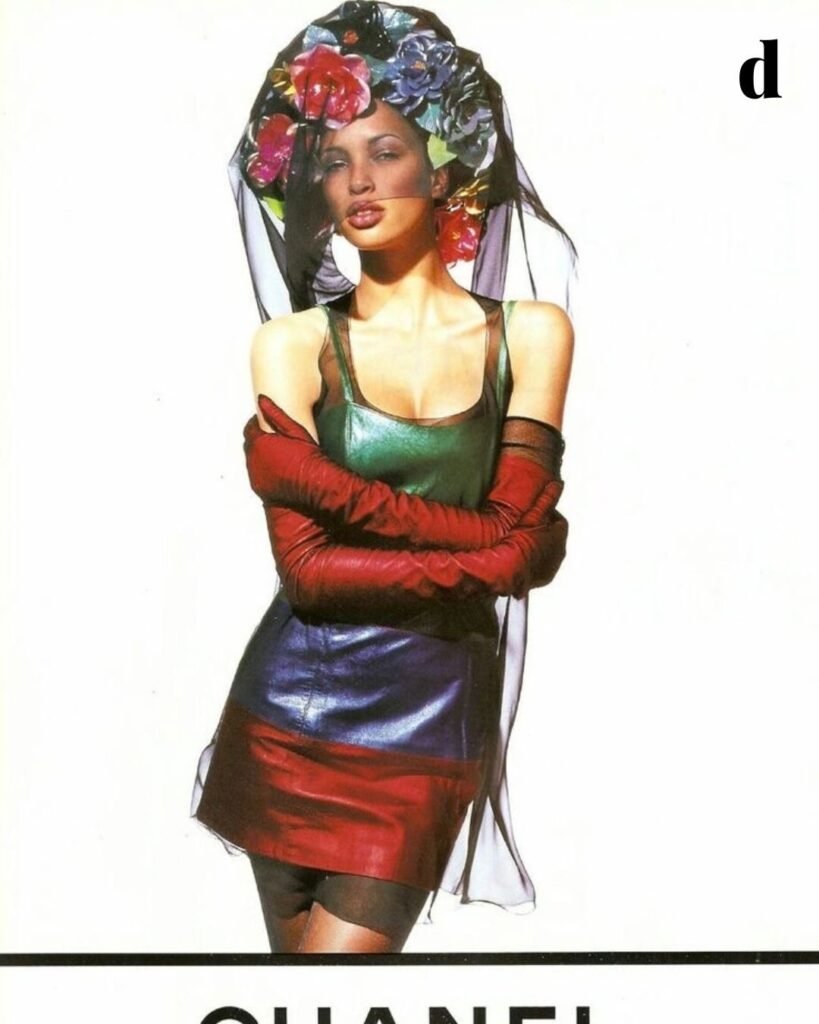
By the 2000s, Chanel had become one of the most powerful luxury brands in the world.
Lagerfeld continued to push the House into new space.
His Chanel shows became massive productions: supermarkets, airports, casinos, rocket launches and Parisian streets transformed into elaborate theatrical environments.
Yet beneath the spectacle was an increasingly advanced commercial strategy.
The Chanel handbag became one of the world’s most recognizable luxury products.
No. 5 remained a global fragrance powerhouse.
Beauty expanded.
Jewelry and watches grew.
The brand’s digital presence became increasingly important.
And Chanel became one of the few luxury houses able of functioning together as a fashion institution, beauty company and cultural movement.
Karl Lagerfeld’s Final Chapter
Karl Lagerfeld remained Chanel’s creative force for more than three decades.
His tenure lasted from 1983 until his death in 2019.
Few designers in history have remained creatively relevant for such a long period at such a high level.
Lagerfeld reshaped Chanel from an aging couture name into a global cultural machine.
But his death created an enormous question:
Who could possibly replace Karl Lagerfeld?
The answer was someone who had been beside him for decades.
Virginie Viard
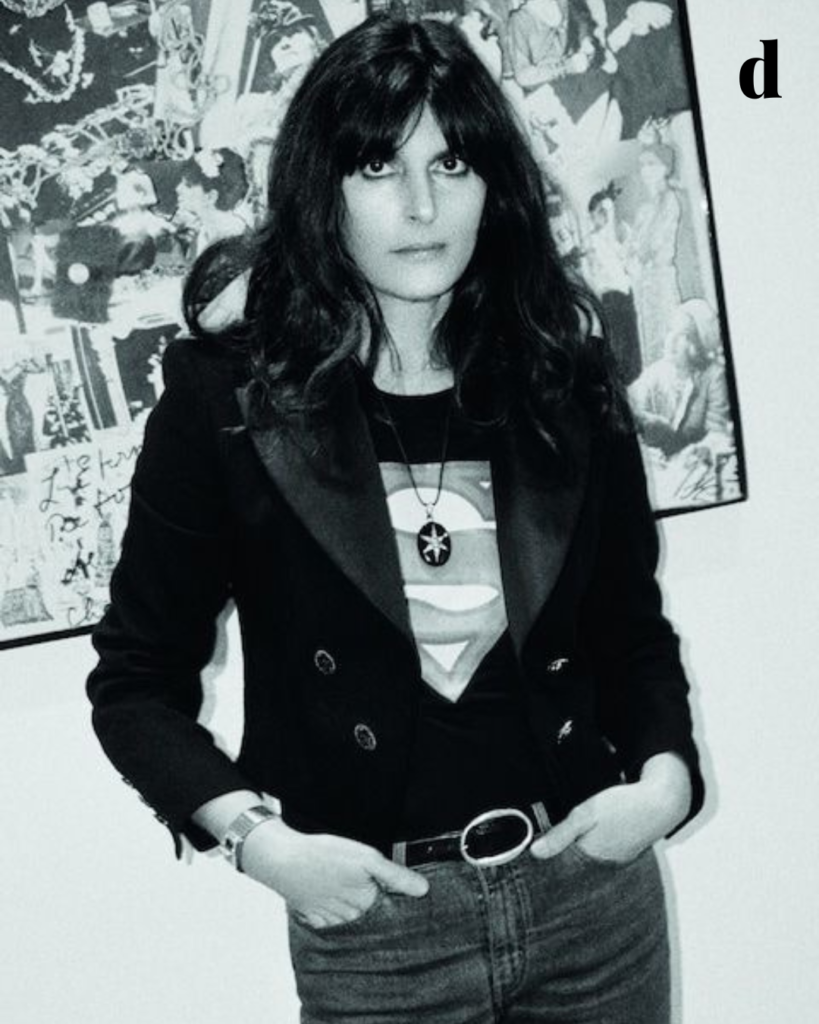
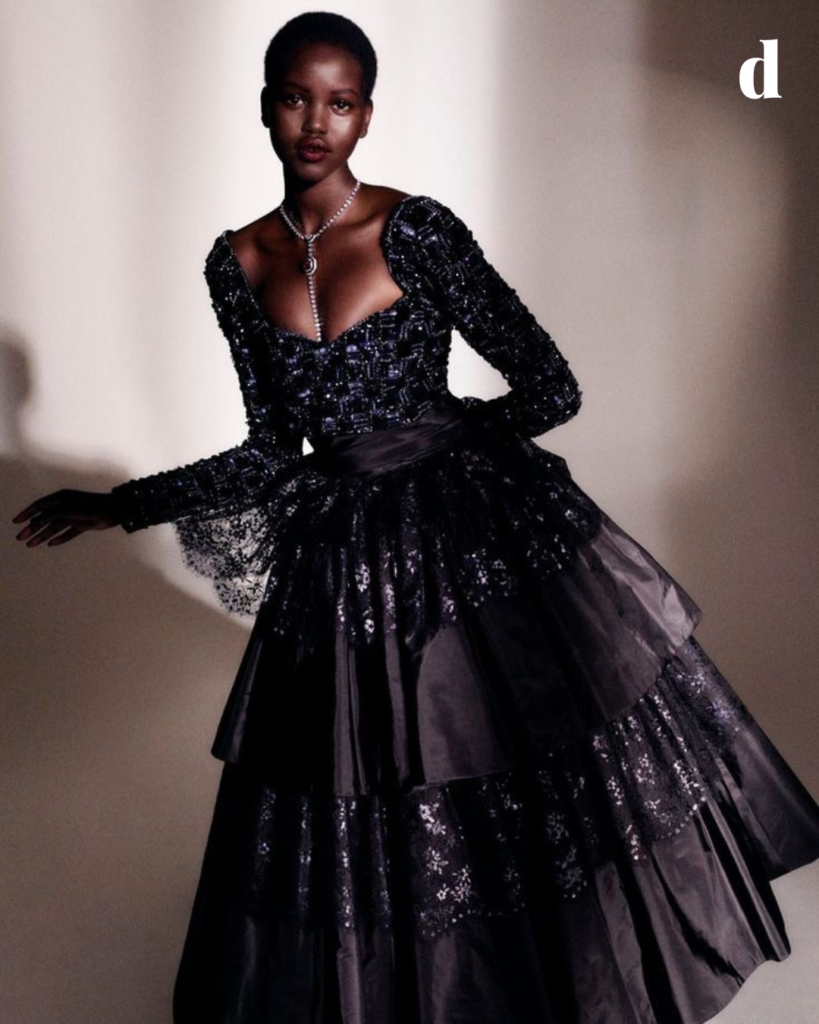
Following Lagerfeld’s death in February 2019, Virginie Viard became Chanel’s artistic director of fashion collections.
Viard had worked closely with Lagerfeld and understood the House from within.
Her approach was noticeably different.
Where Lagerfeld favored theatricality, performance and often extravagant references, Viard frequently highlighted wearability, ease and a softer translation of Chanel’s codes.
She maintained the House’s core identity while gradually shifting its tone.
Her tenure matched with an extraordinary period of disruption, including the COVID-19 pandemic, changing consumer behavior and a rapidly evolving luxury industry.
In 2024, Viard departed Chanel after five years at the creative helm. Chanel then entered another period of transition.
Matthieu Blazy and a New Chapter
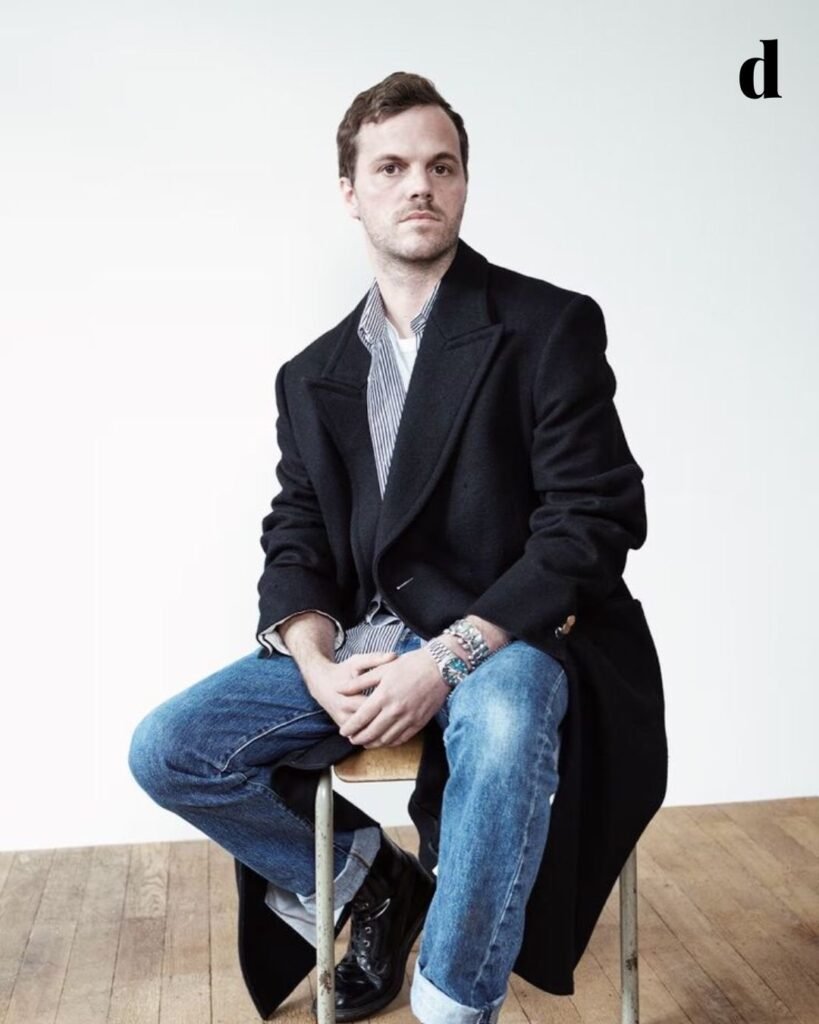
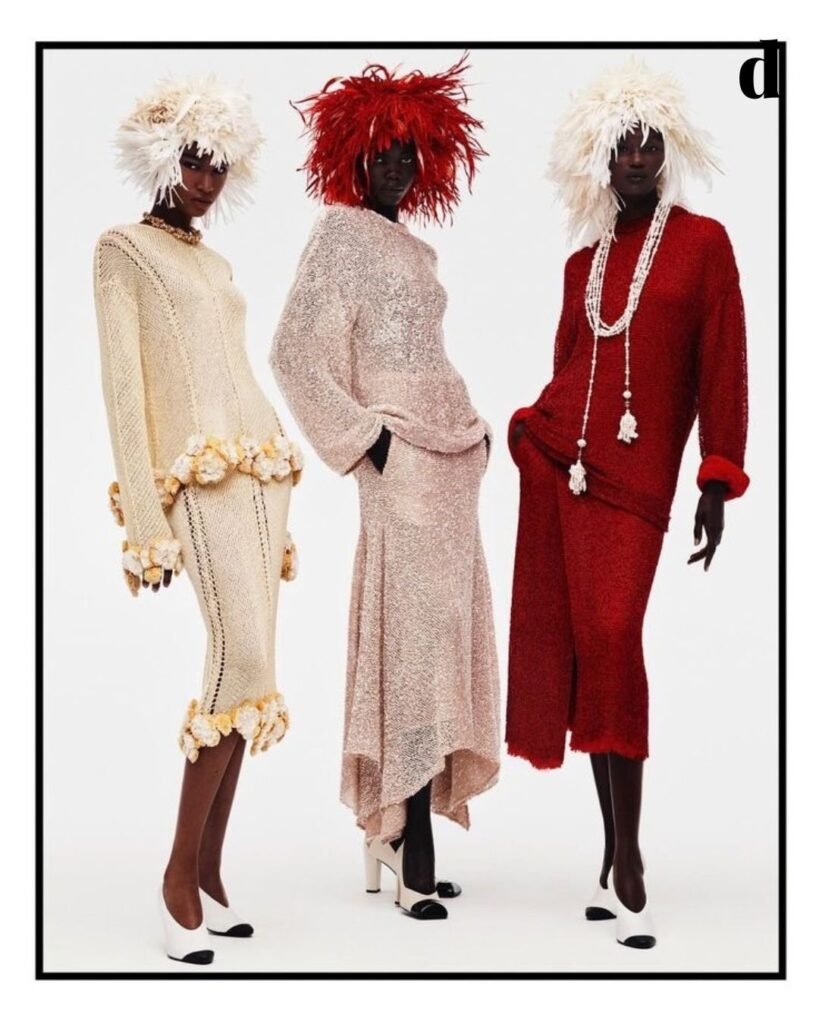
In December 2024, Chanel announced Matthieu Blazy as its new Artistic Director of Fashion Activities.
Blazy joined the House in 2025, with responsibility for Haute Couture, Ready-to-Wear and Accessories.
His arrival was significant because Blazy came to Chanel with a reputation for elegant construction, craftsmanship and an ability to make luxury clothing feel both intellectual and desirable.
Rather than letting go of Chanel’s heritage, the challenge is to reinterpret it.
His first Chanel Cruise collection took place in Biarritz the same city where Gabrielle Chanel opened her first couture house in 1915.
The significance was unmistakable.
Blazy’s Chanel began by looking back to the beginning.
But his work is not intended to be a museum restoration of Coco Chanel.
It is a conversation between heritage and present day.
Chanel in 2025 and 2026
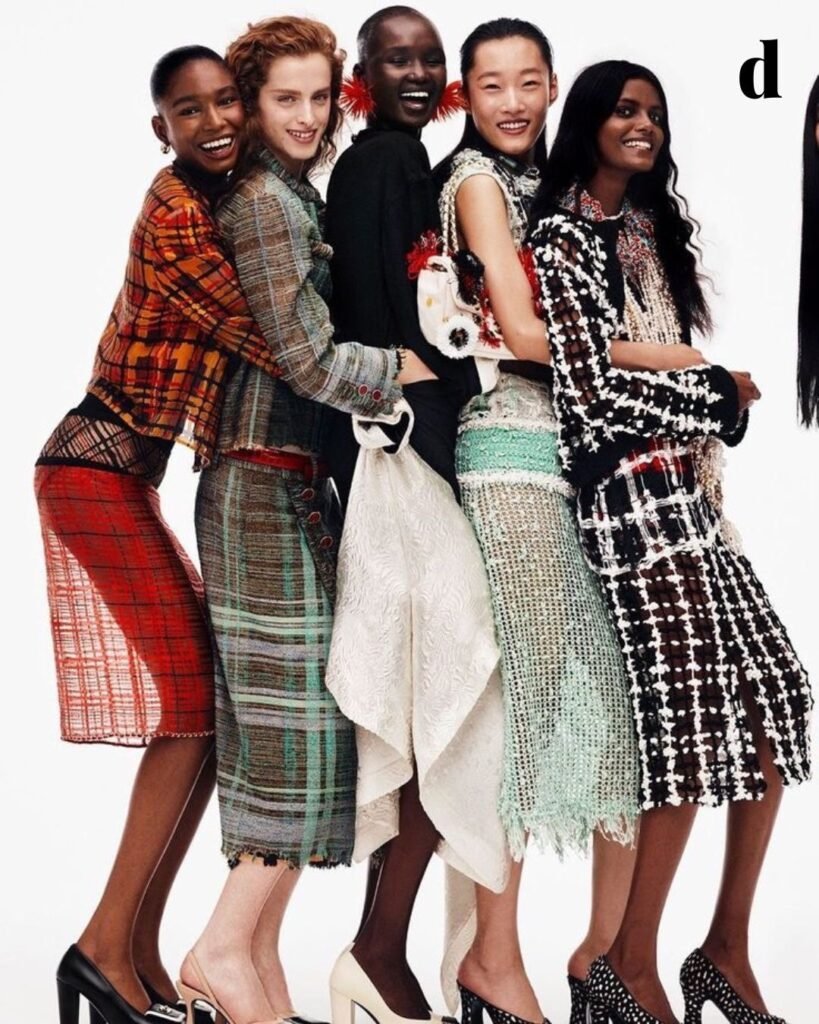
Blazy’s first major Ready-to-Wear collection for Chanel was the Spring/Summer 2026 collection, presented at the Grand Palais in Paris in October 2025.
Chanel described the show as the opening of a new chapter for the House.
His first Métiers d’art collection followed in New York, presented in a subway setting that connected Chanel’s craftsmanship with todays popular culture.
By 2026, Blazy’s Chanel is therefore entering a particularly important phase.
The House is attempting to preserve its strongest codes while making them relevant to another generation.
The challenge is overwhelming.
Chanel has perhaps more recognizable signatures than almost any other fashion house.
The double C.
The tweed jacket.
The chain.
The quilted bag.
The camellia.
The pearls.
The little black dress.
No. 5.
The challenge for every Chanel designer is therefore not simply to create something beautiful.
It is to create something new without ruining what makes Chanel Chanel.
Chanel’s Cultural Legacy

Perhaps Chanel’s greatest achievement is that its influence extends far beyond the clothes it produced.
The House changed the relationship between women and fashion.
It helped normalize sportswear.
It popularized jersey.
It made black a symbol of chic.
It brought menswear references into women’s clothing.
It helped establish the modern fashion fragrance.
It transformed handbags into objects of desire.
It showcased the commercial potential of licensing and beauty.
And it helped create the modern luxury brand as a cultural universe.
The modern fashion industry owes much to this model.
A luxury house today is expected to sell clothing, accessories, beauty, fragrance, jewelry, watches and an identity.
Chanel was one of the companies that helped establish that formula.
The Myth of Coco Chanel

There is another reason Chanel remains so Captivating.
The House is inseparable from its founder.
Most luxury brands have founders.
Few have founders whose personality became such an important part of the product.
“Coco” became a character.
Gabrielle Chanel became a myth.
Her poverty became part of the legend.
Her relationships became part of the legend.
Her apartment at 31 rue Cambon became part of the legend.
Her taste became part of the legend.
Her restlessness became part of the legend.
But mythology can also conceal complexity.
The real Coco Chanel was not simply the liberated woman celebrated by fashion history.
She was aspiring, calculating, fiercely independent and very talented.
She was also a woman whose wartime relationships and political associations remain deeply troubling.
The complete Chanel story must accommodate both realities.
The Business of Heritage
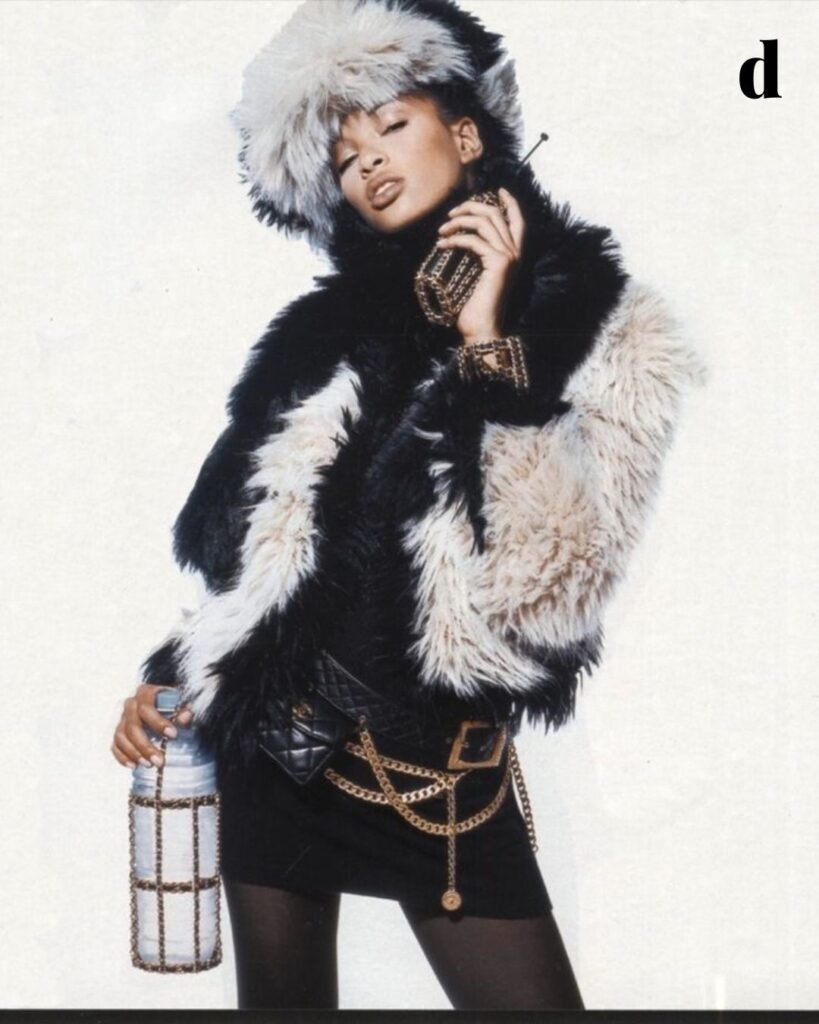
Perhaps the most impressive aspect of Chanel today is its ability to turn heritage into an ongoing business.
The House has not allowed its history to become static.
Instead, its history is endlessly repackaged.
The 2.55 becomes new handbags.
The tweed jacket is reworked every season.
The camellia becomes jewelry.
The double C appears on shoes, sunglasses, watches and accessories.
No. 5 continues to receive new campaigns.
Métiers d’art celebrates historic craftsmanship while placing it in new cultural contexts.
The result is a rare event:
Chanel sells its past without appearing trapped in it.
Chanel as a Private Luxury Powerhouse

Chanel’s private ownership has also allowed it to pursue a longterm strategy rather than being driven by the same shortterm pressures faced by publicly traded companies.
The company has invested heavily in boutiques, craftsmanship, manufacturing, real estate, technology and brand development.
Chanel’s 2024 financial reporting described record levels of investment, including significant spending on real estate, client experience and savoir-faire.
The House continues to operate as a broad luxury business rather than merely a fashion label.
Its current structure contains fashion, fragrance and beauty, watches and fine jewelry, with a global network of boutiques and carefully controlled distribution.
In other words, Chanel’s real product is not the handbag.
It is the Chanel universe.
Chanel in 2026: What Comes Next?
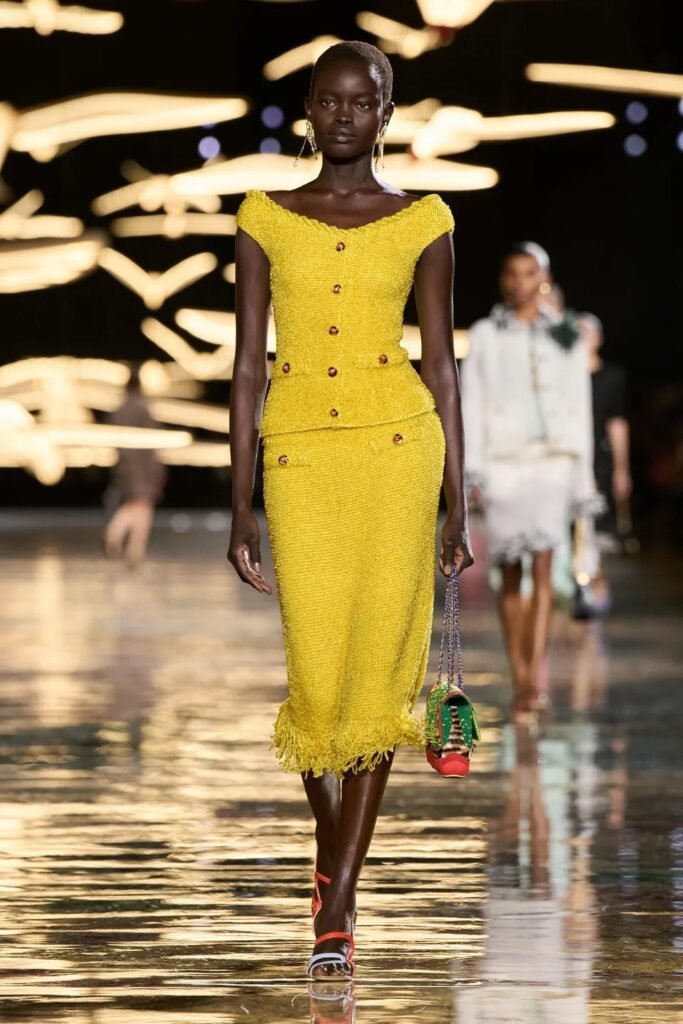
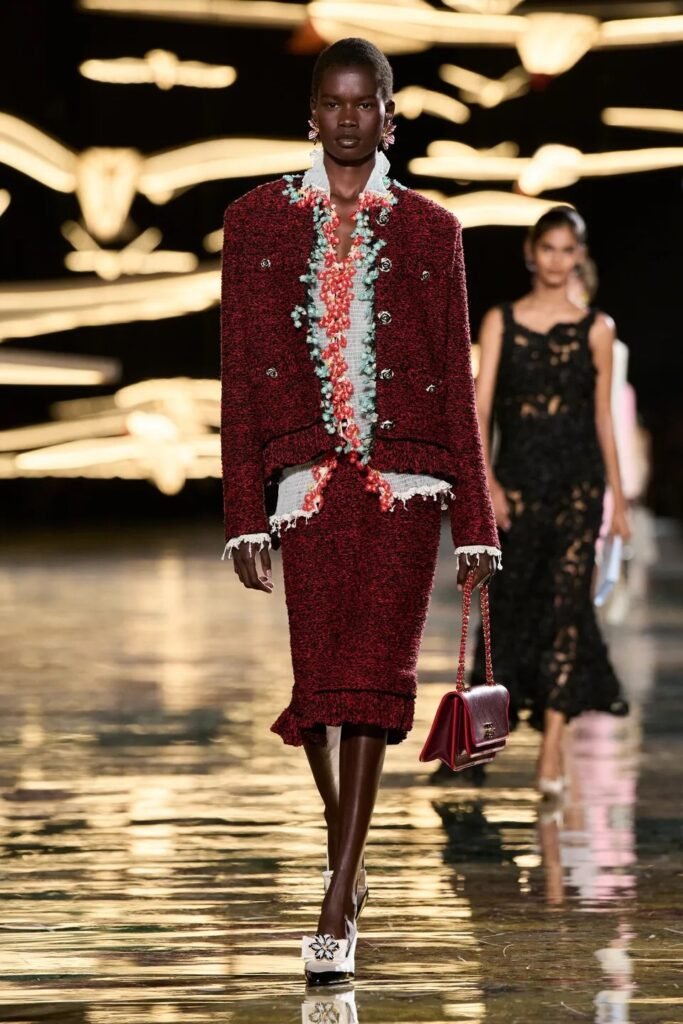
By 2026, Chanel stands at another turning point.
Gabrielle Chanel’s original transformation took place more than a century ago.
Karl Lagerfeld’s transformation began more than four decades ago.
Virginie Viard represented a quieter transition.
Now Matthieu Blazy is being asked to define what Chanel means for the next generation.
His arrival comes at a moment when luxury itself is changing.
Consumers are increasingly interested in craftsmanship, cultural relevance, eco-friendliness, experience and originality.
At the same time, social media has transformed the way fashion houses communicate.
The old chain of command designer, magazine, runway, consumer has become much more fluid.
Chanel still possesses something almost impossible to manufacture from scratch:
history.
Its archives are enormous.
Its visual language is instantly recognizable.
Its boutiques are target locations.
Its products are cultural objects.
And its founder remains one of the most influential and controversial figures in fashion history.
Blazy’s task is therefore not to create Chanel’s identity.
It already exists.
His task is to decide what parts of that identity belong to the future.
The Enduring Power of Chanel
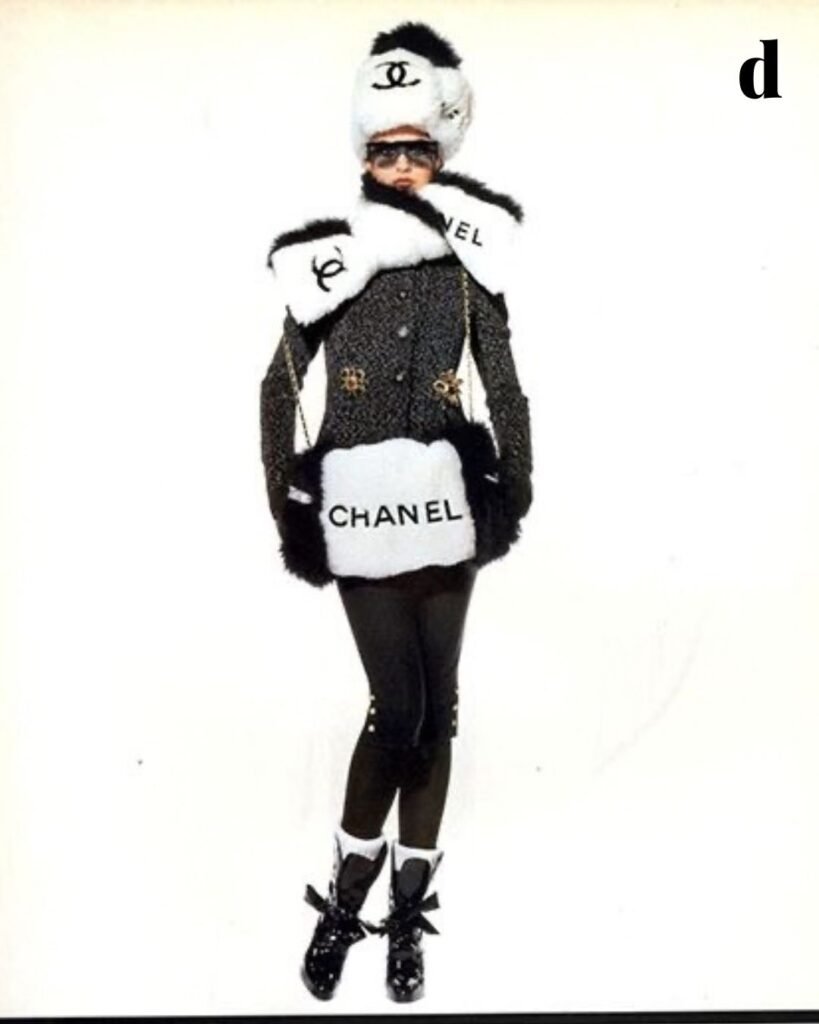


More than a hundred years after Gabrielle Chanel opened a small hat shop in Paris, Chanel remains one of fashion’s most powerful names.
The irony is that the House has survived precisely because it has never remained completely faithful to one version of itself.
Coco Chanel broke the rules of her era.
Karl Lagerfeld broke the rules of the Chanel archive.
Virginie Viard softened them.
Matthieu Blazy is now examining them again.
That cycle of preservation and transformation may ultimately be Chanel’s greatest strength.
The history of Chanel is therefore not simply the story of a woman who became a designer.
It is the story of how an idea became a brand, how a brand became a business, and how a business became a cultural institution.
From the jersey garments of Deauville to Chanel No. 5; from the little black dress to the 2.55 bag; from 31 rue Cambon to the Grand Palais; from Coco Chanel to Karl Lagerfeld, Virginie Viard and Matthieu Blazy the House has continually rewritten its own Cultural narrative.
And in 2026, Chanel remains what it has been for generations:
not merely a fashion label, but an idea of luxury.
An idea built on simplicity, desire, craftsmanship, celebrity, reimagining and the outstanding power of a name.
Leave a Reply